The Mental Game: How Sports Psychology Improves Athlete Performance
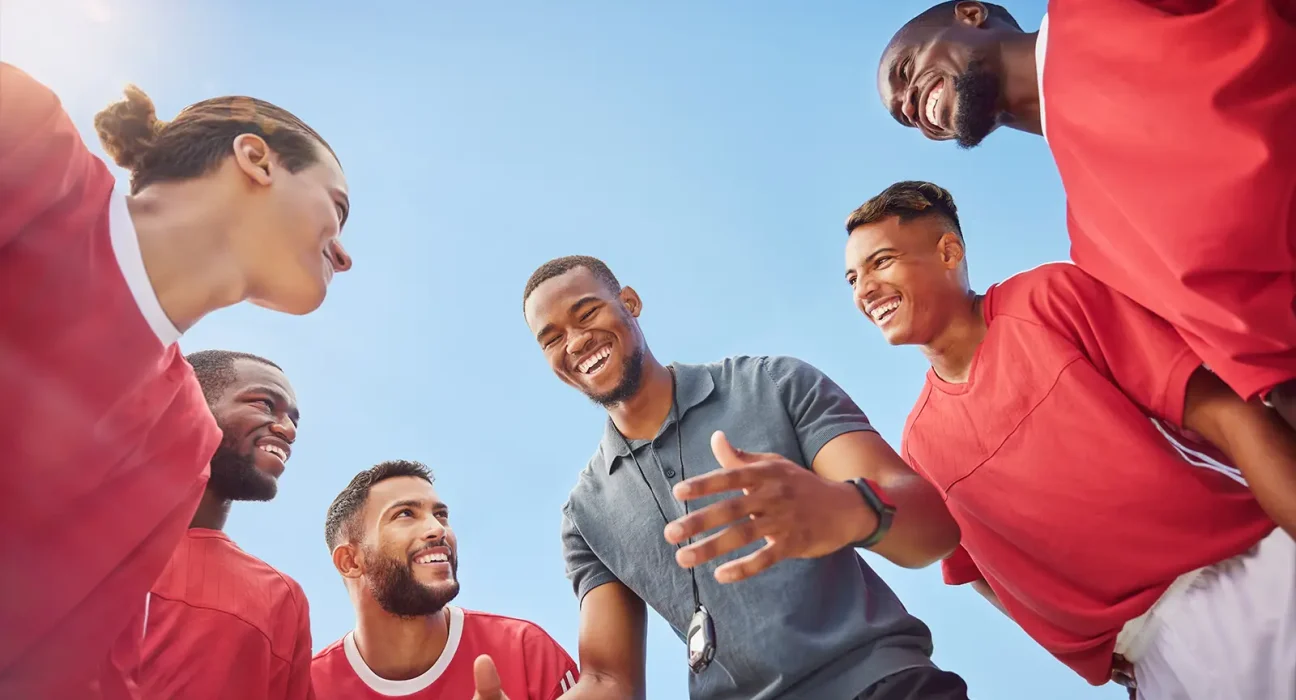
In competitive sports, it is not just physical capability that provides the key to the best performance. The mental game in sports is therefore a vital determinant of success for an athlete. Overcoming pressure to sustain motivation requires mental toughness and focus. This is where sports psychology becomes a very valuable tool. By addressing the mental and emotional aspects of performance, sports psychology helps athletes realize their fullest potential and thrive under challenging conditions.
This article covers the basic elements of sports psychology, how it influences athletes’ performances, and some very simple yet workable techniques that athletes can apply to ace their mental game.
Understanding Sports Psychology
Sports psychology deals with how psychological factors affect an athlete’s performance and how participation in sport and exercise affects psychological well-being. It combines principles of psychology with insights from sports science to improve performance, motivation, and focus.
Issues of performance anxiety, motivation and setting goals, mental preparation for competition, recovery from injury, and resilience after a setback are some of the problems sports psychologists deal with in working with athletes. By focusing on the mental game in sports, this field empowers athletes to improve not only physically but also mentally.
Performance Enhancement through Sports Psychology
The mental aspects of sport create a line between victory and loss. Here are the key ways sports psychology enhances athletes’ performances:
1. Control Under Pressure and Stress
Sports are filled with high-pressure situations: a penalty kick in soccer, the final serve in tennis, or any one of a number of other scenarios. The techniques of deep breathing, mindfulness, and positive self-talk are imparted through sports psychology to help deal with such situations and to keep calm and focused.
2. Improved Concentration
Distractions, both external and internal, can derail an athlete’s performance. Sports psychologists help athletes develop concentration strategies, such as visualization and cue words, to stay locked in on their goals.
3. Building Confidence
Confidence is a cornerstone of success in sports. Athletes who doubt their abilities are more likely to underperform. Sports psychology emphasizes self-belief through affirmations, goal-setting, and reviewing past successes.
4. Improving Motivation
Staying motivated, especially during long training sessions or after setbacks, can be challenging. Sports psychologists work with athletes to identify intrinsic and extrinsic motivators, helping them stay committed to their objectives.
5. Resilience After Failure
Failure is inevitable in sports. The ability to bounce back from losses or mistakes is what sets great athletes apart. Sports psychology fosters resilience by teaching athletes to view setbacks as opportunities for growth.
Key Techniques in Sports Psychology
Sports psychology has a number of techniques that can be employed in enhancing the mental game in sports. Some of the most effective methods include the following:
1. Visualization
This involves the creation of mental images of successful performance. For instance, a basketball player may visualize his or her performance at the free throw line under pressure. This is meant to strengthen neural pathways related to physical performance so that during actual competition, such actions feel more automatic.
2. Goal Setting
Setting clear-cut, realistic goals focuses their minds and measures progress. These can be categorized into short-term, say improving stamina within a month, or long-term, say winning a championship. SMART, stands for Specific, Measurable, Achievable, Relevant, Time-bound, gains common usage in sports psychology.
3. Positive Self-Talk
The inner dialogue an athlete engages in can significantly impact performance. Positive self-talk replaces negative thoughts with constructive ones, such as shifting “I can’t do this” to “I’ve trained for this moment, and I’m ready.”
4. Mindfulness and Meditation
Mindfulness practices help athletes stay present and reduce anxiety. Meditation, breathing exercises, and body scans are commonly used to enhance focus and promote relaxation.
5. Pre-Performance Routines
Establishing a pre-performance routine will help the athletes get into a consistent mental mode in preparation for any competition. The routine could comprise listening to particular music, stretching their muscles in a certain order, or repeating an inspirational mantra.
6. Cognitive Behavioral Techniques
Cognitive Behavioral Therapy tools are widely adapted into sports psychology to deal with negative thought patterns and replace them with constructive strategies.
How to Benefit from Mastering the Mental Game
The integration of sports psychology into training programs yields significant benefits in regard to athlete performance, including the following:
1. Consistency in Performance
A strong mental game ensures athletes perform consistently, even under varying conditions. They can manage nerves and distractions to perform at a high level more often.
2. Enhanced Team Dynamics
In team sports, effective communication, trust, and collaboration are vital. Sports psychology fosters emotional intelligence that helps athletes work better with teammates and coaches.
3. Injury Recovery
Injuries are devastating emotionally and physically. Sports psychologists help athletes stay motivated during recovery and rebuild confidence when returning to competition.
4. Competitive Advantage
Since the physical qualities are usually at parity in most elite-level settings, mental preparation often becomes the distinguishing variable. Those who are better prepared psychologically are at a wide advantage.
5. Development of Life Skills
The knowledge acquired through sports psychology, like the management of stress and setting goals, exceeds mere sports and helps in personal and professional development.
Practical Examples of Sports Psychology in Use
A few successful athletes attribute sports psychology to the improvement in their mental game concerning sports:
- Michael Jordan: Being one of those who had great mental toughness, Jordan often used visualization regarding game situations and positive self-talk to build confidence.
- Simone Biles: The gymnastics superstar states that mental health and sports psychology are key to sustaining performance under extraordinary pressure.
- Novak Djokovic: The tennis superstar adopts mindfulness and meditation to keep calm during highly pressurized matches.
These instances show how having the edge of mastering the mental game can lead to really extraordinary performance.
Challenges to Implementation of Sports Psychology
Despite its obvious advantages, there are some athletes or coaches who may be slow to adopt sports psychology. Some common barriers include:
- Stigma Around Mental Health: The athletes could be apprehensive to discuss any mental distress for fear of stigma associated with seeking psychological help.
- Lack of Awareness: Some coaches and athletes are uninformed about the potential benefits of sports psychology within their training.
- Resource Constraints: Qualified sports psychologists are not always accessible, most especially in amateur or lower-budget sporting programs.
Overcoming these barriers requires education, advocacy, and increased accessibility of sports psychology resources to all levels of athletes.
How Coaches and Parents Can Support the Mental Game
Coaches and parents are very instrumental in helping to develop the mental game of their athletes. Here’s how they can help:
- Encourage Open Communication: Allow and invite athletes to share their mental difficulties in a non-threatening atmosphere.
- Reinforce Positive Habits: Encourage skills such as visualization, goal setting, and mindfulness during practice.
- Celebrate Effort, Not Just Results: Emphasize the process rather than outcomes to enhance confidence and resilience.
- Model Positive Behavior: Show poise and a growth mindset since athletes often take after the attitudes of their role models.
The Future of Sport Psychology
With a deeper understanding of the mental game in sports, the demand for sports psychology continues to rise. Advances in technology, such as virtual reality simulations and biofeedback devices, are enhancing the way athletes train their minds. The integration of sports psychology into youth sports programs and professional training facilities will continue to normalize its use, making it an integral part of athletic development.
Conclusion
Sports psychology cannot be overemphasized as far as enhancing athlete performance is concerned. Through concentrating on the mental game in sports, athletes acquire the means to surmount challenges and retain composure in order to achieve their goals. The techniques of sports psychology-from visualization to mindfulness-offer a competitive edge while fostering resilience and personal growth.
Whether a coach, parent, or athlete, embracing the field of sports psychology unlocks a whole new dimension in performance and wellness. This is a steadily evolving field that will continue to shape the future of sports-a proof that mental strength is as vital as physical skill in achieving greatness.