The Importance of Social-Emotional Learning in Schools
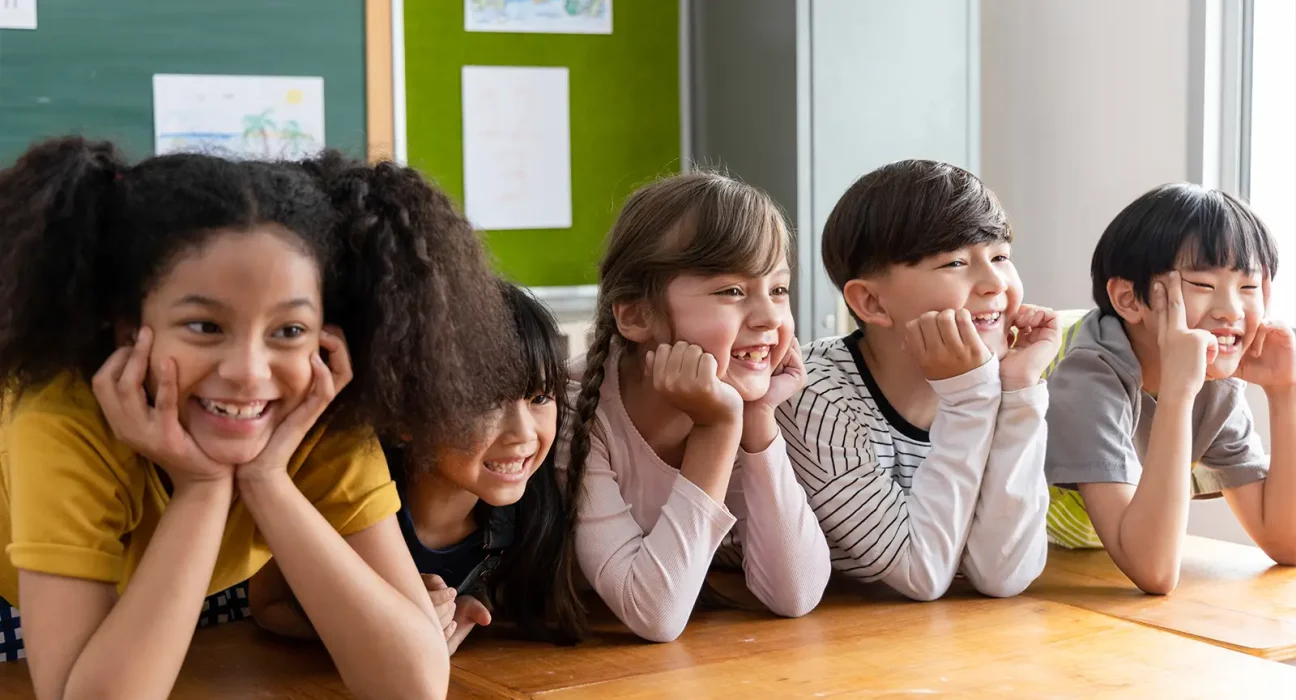
In today’s world, children have to confront different types of problems: academic, social, and emotional. Alongside academic skills, the proper development of emotional intelligence and interpersonal abilities is one of the most important. That’s the point when social-emotional learning (SEL) comes in. SEL in schools provides students with necessary tools and skills in order to manage their feelings, establish good relationships with people, and make responsible decisions.
The article explains what social-emotional learning is, why it should be implemented in the educational system, and the many benefits of SEL for students, teachers, and within the community as a whole.
What Is Social-Emotional Learning (SEL)?
SEL is an education approach that dwells on building fundamental life skills in students, including self-awareness, self-regulation, social awareness, relationship skills, and responsible decision-making. Such competencies form a basis for managing emotions, setting goals, showing empathy, and resolving conflicts effectively.
According to CASEL, the five core components of SEL include the following:
- Self-Awareness: Understanding one’s emotions, thoughts, and values.
- Self-Management: Control of emotions, behaviors, and impulses to accomplish goals.
- Social Awareness: The ability to empathize with others of varied backgrounds.
- Relationship Skills: Establishing and maintaining healthy relationships.
- Responsible Decision-Making: Making ethical, constructive choices about personal and social behavior.
By integrating SEL into school curricula, educators work toward establishing a supportive learning environment in which students can successfully meet both academic and emotional challenges.
The Role of SEL in Schools
SEL in schools is not a fad, but it is an approach to education that transforms schools. Schools are the ideal breeding ground for teaching social-emotional skills, as children spend quite a great deal of their lives in schools.
Here’s how SEL can be effectively fitted into schools:
- Classroom Activities: Integrating SEL in the classrooms through interactive lessons and group discussions with the help of role-playing exercises.
- Teacher-Student Relationships: Teachers who model empathy and emotional regulation inspire students to adopt these behaviors.
- School Policies: Establishing policies that promote inclusivity, kindness, and emotional well-being.
- Community Engagement: Involving families and local communities to reinforce SEL principles at home and beyond.
When practiced regularly, SEL builds a positive school culture that values emotional development as much as it values academic success.
Benefits of SEL
The benefits of SEL go beyond the school environment and affect the student’s life in every possible way. Following are some major advantages:
1. Better Emotional Intelligence
SEL aids students to understand their feelings and ways of handling them. This is how children recognize their feelings, their triggers, and thus emotional intelligence plays a great role in personal and professional life.
2. Better Academic Performance
Research shows that students who participate in SEL programs often achieve better grades and test scores. By reducing stress and improving focus, SEL enables students to excel academically.
3. Better Relationships
Building strong interpersonal skills is a cornerstone of SEL. Students learn to communicate effectively, resolve conflicts peacefully, and empathize with others. These skills help them form and maintain healthy relationships.
4. Reduced Behavioral Issues
SEL helps children learn to manage their emotions and behaviors, which in turn reduces discipline problems. Schools that emphasize SEL show reduced bullying, absenteeism, and disruptions in classrooms.
5. Mental Health Support
With growing concern over the mental health of adolescents, SEL equips them with the tools needed to cope with stress, anxiety, and depression. By acquiring resilience, they develop a positive attitude toward life.
6. Lifelong Skills
The skills learned through SEL are not limited to school years alone but are valuable all through life. From workplace interactions to personal relationships, SEL competencies play a role in lifelong success and well-being.
Challenges in Implementing SEL
Though there are clear benefits of SEL, implementing it in schools may also face some obstacles. Some common challenges include:
- Limited Resources: Schools often struggle with funding and staffing, making it difficult to implement SEL programs effectively.
- Lack of Training: Teachers may not receive the training they need to incorporate SEL into their classrooms.
- Time Constraints: With an already overcrowded curriculum, time for SEL is difficult to find.
- Resistance to Change: Some stakeholders might see SEL as taking the place of more critical traditional academic subjects.
It takes several barriers for these challenges to be fully addressed-educators, policymakers, and communities. Some of these obstacles can be cleared through teacher training, the generation and allocation of funds, and awareness of the need for SEL.
Real-Life Examples of SEL in Action
- Morning Check-Ins: Schools incorporate simple check-in routines to assess students’ emotional states so that teachers can extend support if needed.
- Mindfulness Programs: Activities such as meditation and breathing exercises help students learn stress management and concentration.
- Conflict Resolution Training: Students are exposed, through role-play, on how to resolve conflicts constructively.
- Service Learning Projects: Community service projects instill in students a sense of social responsibility and empathy.
These programs really show just how easily SEL can be integrated into daily activities within the school environment for the benefit of all concerned.
The Broader Impact of SEL
The ripple effects of SEL go beyond individual students. Here’s how it impacts the larger community:
- Empowered Teachers: Teachers who embrace SEL feel more confident and supported in their roles, reducing burnout and improving job satisfaction.
- Stronger Families: SEL programs that involve parents create stronger home-school connections and promote emotional well-being at home.
- Thriving Communities: Communities valuing SEL record less crimes, register higher graduation rates, and maintain social cohesion.
By investing in SEL in schools, we invest in the well-being and success of future generations.
How Parents Can Support SEL
Parents have a vital role in reinforcing social-emotional learning out of school. Here are some ways they can support their children:
- Modeling of SEL Competencies: Practice empathy, active listening, and emotional regulation in daily life.
- Open Lines of Communication: Give children opportunities to talk about their thoughts and feelings without feeling judged.
- Problem-Solving Practice: Let your child participate in problem-solving with regard to family or personal issues.
- Effort Praise: Recognize and praise your child for his or her efforts to handle emotions and relationships.
In collaboration with schools, parents can help maximize the effect of SEL on their children’s development.
The Future of SEL in Education
As the world becomes increasingly complicated, demands for social-emotional skills will only increase. Those schools that invest in SEL are not only ensuring academic success but also preparing students for meaningful and full lives. Policymakers and educators have to keep up the advocacy for SEL until it is part of the regular education for every child.
Conclusion
Social-emotional learning is now included in the modern structure of education. SEL lays down a foundation for success in life by teaching students to understand their feelings, build relationships, and make appropriate decisions. Benefits associated with SEL are great from improved academic performance, good mental health to a generally strong community.
It takes work to implement SEL in schools, but again, it’s well worth it. SEL empowers students in developing emotional intelligence and building resilience to navigate life with confidence, clarity, and empathy. Moving forward, there will be an even greater desire for social-emotional learning in shaping the leaders, innovators, and changemakers of tomorrow.