Autotune: Legit or Cheat?
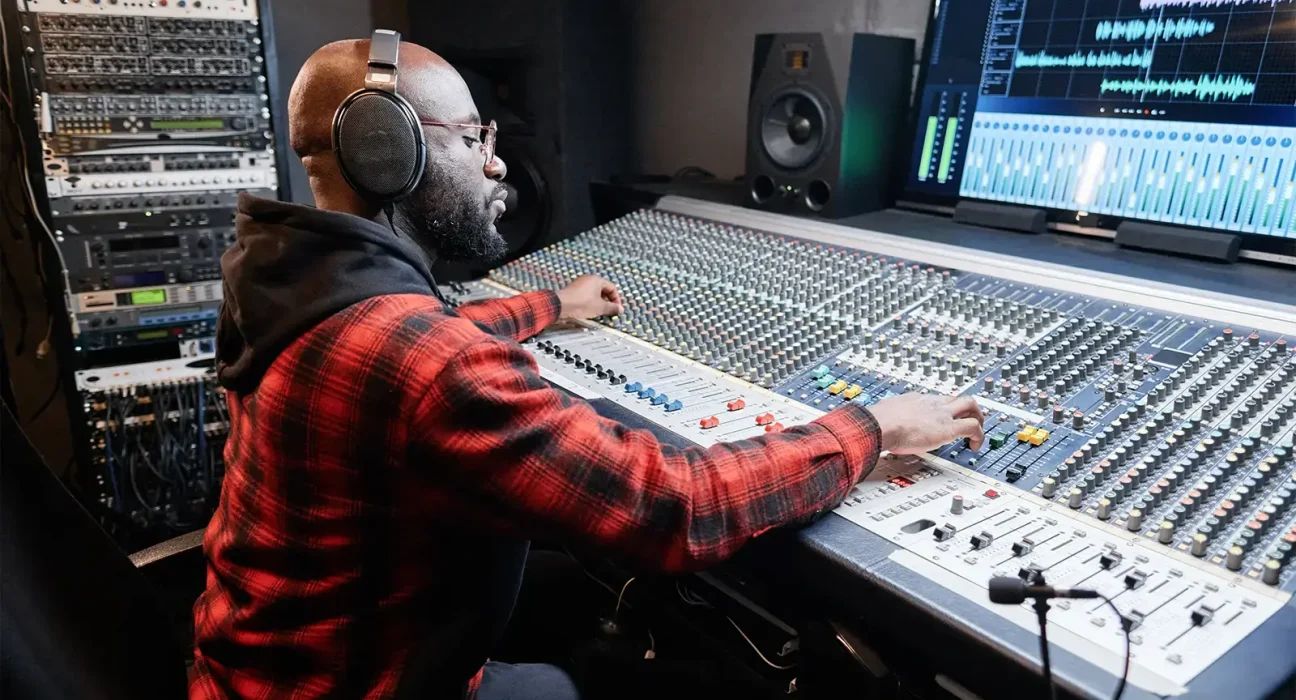
Among the most discussed tools in the past years within music production, one would find Autotune. Some would even claim that Autotune is a cheat; it removes the authenticity of the music, and allows anyone to sound perfect. Others still regard the tool as a new legitimate creative possibility since it adds effects and singular qualities to a track. Is Autotune, then, an asset to music productions or simply a cop-out used to undermine real talent?
Let’s dive into the origins of Autotune, its uses and criticisms, and how it impacts modern music production.
The Origins of Autotune in Music Production
In 1997, a former geophysicist invented autotune, Dr. Andy Hildebrand. It was originally designed for pitch correction, an auto-effect of sorts, which takes a singer’s sound and corrects its pitch to fall perfectly within the key of a song. Cher’s 1998 hit, “Believe”, was one of the first songs to use this autotune as an effect and set a trend that defined music for the next decades.
At first, autotune had been used discreetly by producers, correcting small errors in pitch and making the vocal recording perfect without the listener realizing it. That all changed, and with it, its application became an artistic usage as singers used it to produce obvious stylistic effects in the form of robotic, almost otherworldly vocal textures. Nowadays, from pop to hip-hop, Autotune is in use with a view to enhancing the vocals and giving the music a modern feel.
The Legit Side of Auto-Tune: A Tool for Creativity and Precision
Auto-Tune has carved out quite a niche for itself in the realms of music production, majorly because of the creative avenues it opens up. Here are a few reasons why auto-tune should be more correctly looked upon as a tool rather than as a cheat:
1. Enhanced Creative Expression
It gives more character and texture to the vocals, turning the voice into an atmosphere instrument for the song. Many hip-hop artists, such as Travis Scott and Kanye West, use auto-tune for this surreal effect in their vocals. This gives them that very peculiar and distinctive style so well received by listeners. In this way, the auto-tune becomes way more than just pitch correction; it is an artistic tool.
2. Vocal Improvement
The reason many artists often have to encounter imperfect vocals is because of being nervous or even tired during recording sessions. With Autotune, producers can do slight tweaks here and there to make every note perfect without having to sacrifice the artist’s authenticity. The overall quality of the music gets better without having to take multiple takes, which saves time while preserving performance integrity.
3. Accessibility to New Artists
Because Autotune made the process of creating music more accessible, new artists without as much singing talent have been able to produce polished music and record it more and more. Besides, such democratization of music production opens up more channels in the industry and lets more people into the music business to experiment and fiddle with it.
4. Consistency in Live Performances
Other artists, on the other hand, use autotune even in live performances, just to keep the shows similar. Of course, this is a shortcut, but also an enhancement in order for the performance to be more easily listened to, considering that the venue may not be an easy one acoustically speaking.
Creative and responsible use of autotune allows artists and producers the capability of making quality music that fits their artistic vision and resonates with audiences who enjoy polished, well-produced tracks.
The Cheat Side of Autotune: Overuse and Loss of Authenticity
Besides the advantages of autotune, growing criticism against it, especially when it is applied in excess or badly, there have been a number of common arguments against autotune when mentioning its usage in music production. These include:
1. Removing Vocal Authenticity
Critics maintain that auto-tune takes away from the raw and natural quality of the vocalist’s performance. Using heavy auto-tune, singers start sounding alike, and their distinctive voices go out the window. Fans of unprocessed and raw music are of the opinion that auto-tune actually robs the artist of his voice and character, thus making the music sound artificial.
2. Giving an Edge to Less Talented Singers
There is this general view that autotune is used as a crutch for vocalists who do not have any actual singing talent. Sometimes, producers use it to take singers who are underqualified and make them pitch-perfect, begging a question about where the talent and honesty are in the industry. This practice dampens the worth of true talent in vocals, as autotune allows practically any person to perform in tune-even if he or she isn’t considered to possess the vocal talent necessary to make it in the music world.
3. Over-Saturation of the Same Effect
Successive uses of auto-tune create some sort of formula in pop music, creating very much unwanted oversaturation of the same robotic effect. Many critics argue this over-saturation has made the genres, especially pop and hip-hop music, sound overly processed and predictable. It makes the music sound so generic with autotune overuse, taking away the diversity of sound that made these genres exciting in the first place.
4. Technology Addiction
Some performers and music producers have grown to rely on autotune so that its filtering should right even the slightest misalignment of voice. The dependency will lower the motivation for performers to improve their natural voice because one would know that autotune will correct any high and low pitches that are off from the right pitch by just allowing the software to handle it rather than listening to a pitch and trying to work on perfecting it.
Autotune – A Fad in Music Production Today
One of the hardest things to deny is that autotune has really taken a new turn in modern music production. The majority of the artists within the main categories-pop, hip-hop, and even rock-have implemented autotune into their core sound. That itself is showing how autotune has moved away from being used merely as a corrective, as it becomes characteristic of modern music.
And artists like T-Pain, Post Malone, and Billie Eilish have all taken up the mantle with autotune in amazing ways, proving it really can be an artistic decision rather than a pitch-correction tool. T-Pain, in particular, is infamous for his heavy autotune effects used not out of necessity but more for stylistic choice. He’s managed to make autotune synonymous with a certain sound in music production, going on to influence a whole generation of artists and producers.
While the trend certainly popularized autotune, it has unfortunately brought much controversy with it. With the proliferation of autotune in mainstream music, fans and critics debate on social media whether it adds or detracts from the music they love.
Is Autotune Here to Stay?
Autotune has become so deeply ingrained into the production of music that it is very likely here to stay. The versatility of it as both a correction tool and an artistic effect means it will continue to evolve, changing and adapting to changes in musical tastes. Where traditionalists may fight this, autotune has officially cemented its place within the industry, shaping the sound of modern music in ways we never could have predicted upon its emergence.
Some artists have started deviating from autotune, though, in search of raw, unprocessed vocals to set them apart from the autotuned sound. Other artists, such as Adele and Ed Sheeran, have launched their careers based on authentic, not auto-tune vocal performances, which obviously appeal to audiences hungering for natural, untouched music. This would suggest that, even while popular, autotune leaves room in the industry for various approaches to vocal production.
So, Autotune: Legit or Cheat?
Whether autotune is to be considered legit or a cheat depends upon the application. If used with purpose and intention, autotune can be a strong tool that empowers creativity and helps artists get just the sound they want. But if it’s overused, or resorted to simply because one isn’t much good at vocals, then it tends to feel like a shortcut and detracts from the honesty of the music.
Music production is a big world, and autotune has its place in that big world. Like all tools, their impact truly depends on the user. For artists who use autotune as part of their artistic expression, it is no doubt legit. But for those relying on it to mask a lack of talent, well, it may be viewed as a cheat. In the end, autotune’s role in music production will continue to be shaped by evolving attitudes; and just so long as artists find creative ways to use it, autotune will remain a staple in the industry.
Whether you view auto-tune as a valid tool or musical cop-out, there’s little question that it has changed the face of music production, broadening horizons on what music can sound like today.
Read also: How Practicing Mindfulness Can Enhance Your Physical and Mental Well-being