How Do DJs Pay Royalties to Song Composers?
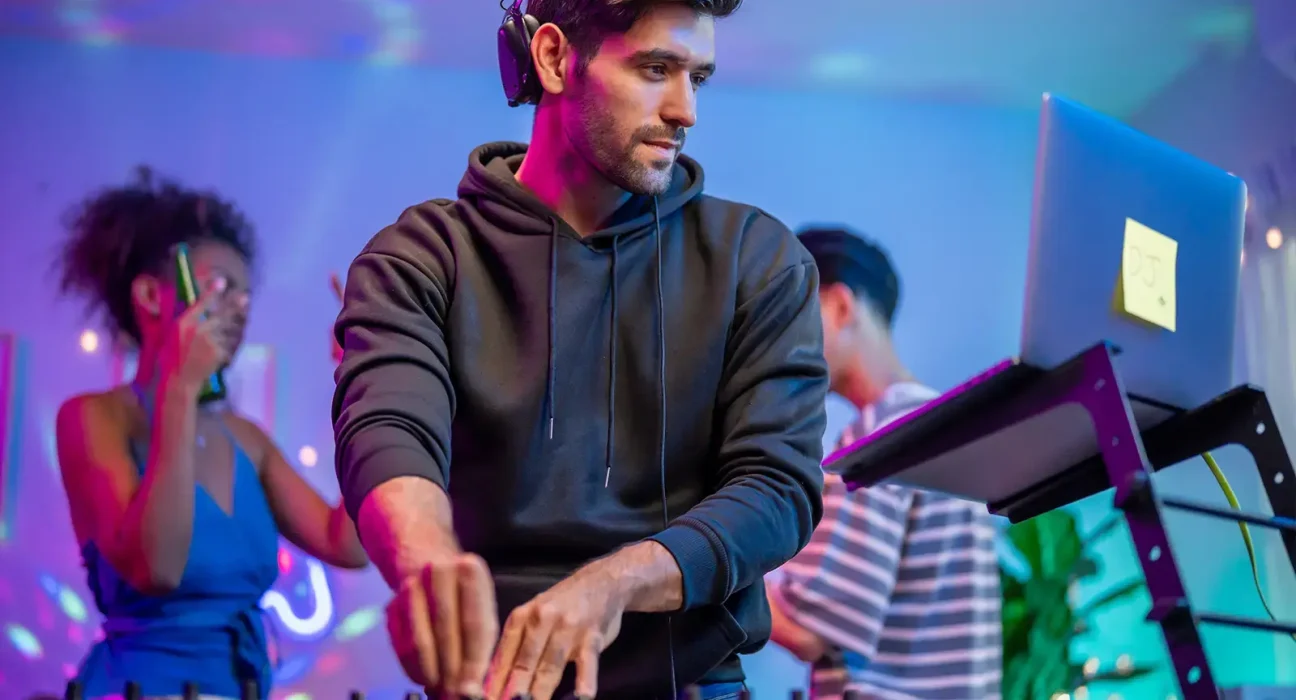
In the past two decades, DJ performance and its sphere have massively emerged, where DJs now deliver their performances in all musical festivals, clubs, and at private events all around the world. In their live performances, the DJs always play popular songs and often their remixes of various songs, as well as original tracks.
However, an important question does appear here: how do composers get their music royalty back from the DJs? Realizing the intricacies that the mechanism of the royalty process of music involves, a real understanding is very essential and necessary for DJs, for composers, and especially to event organizers, with full fairness and legality on it. What we’re going to be discussing here is the process and mechanism of royalty payments in the DJ industry.
1. How Music Royalties Work
Explaining how DJs pay royalties begins with what exactly music royalties are. Music royalties refer to the several forms of compensations provided to the authors and owners of musical content, be it a composer, songwriter, or artist, every time that public usage takes place. These can include:
- Performance Royalties: These are collected every time there is a public performance of the song heard in a public arena, via radio, or at an event.
- Mechanical Royalties: This comes in when the reproduction of the track occurs. These days, this happens majorly through streaming and some through physical album sales.
- Synchronization (Sync) Royalties: These come in when the music has been used in sync with visual media, films, or advert commercials.
The one most relevant to DJs is performance royalties because their trade involves playing music in public places. Every time a DJ works in a club or at a festival, the songs that are played should provide performance royalties to the composers.
2. How PROs Help
Performance rights organizations are collecting agencies that collect royalties on behalf of the creators of music. In the United States, PROs like ASCAP, BMI, and SESAC collect performance royalties, while in the UK, this function is performed by PRS for Music. These organizations license the use of music in a venue or on broadcasts, including stations and streaming services. Once this has occurred, the royalties collected are distributed to composers and songwriters.
For example, in most cases, whenever DJs play a song publicly, the particular venue is usually licensed by a PRO. This means they pay some kind of annual or monthly fee for allowing music to be played at the particular venue. The fee is usually meant to cover all the different kinds of music that can be played at that particular venue, even if it were by the DJs. PROs track usage through reporting systems or digital monitoring, after which they distribute the royalties to the creators of that particular music.
DJ’s Role with PROs
For most DJs, they do not need to pay royalties directly because this is usually taken care of by the establishment where they are performing. But it is quite common that a DJ will be obligated to furnish a report of songs played, at least for larger gigs and events such as festivals. This report is to allow the PROs to distribute royalties properly to these song composers so that they get paid for their work.
3. DJ Licensing and Music Pools
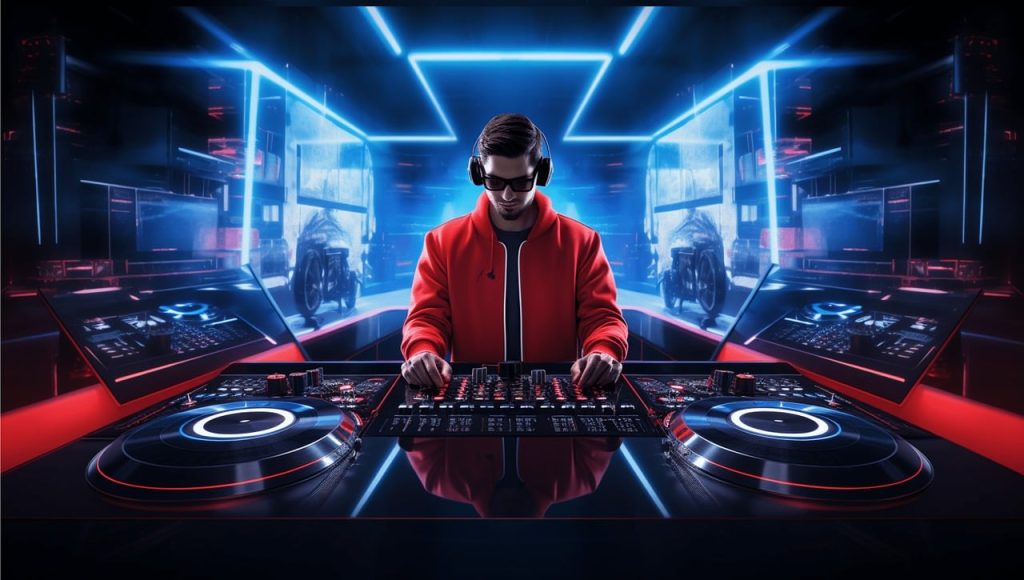
The DJ accesses the tracks for performances through “music pools.” Music pools are subscription services offering access to a large number of pieces of music from different genres, which may include remixes, edits, and original works. Most of these pools are licensed for public performance and royalties on the music normally get accounted for within the pooling licensing process.
The music itself, however, does not excuse the DJ or venue from paying proper royalties. If a DJ plays a track from a music pool in a licensed venue, the PRO royalty payments will be handled by the venue’s license, but the DJ will have to report which specific tracks they played for that event, depending on the event’s reporting requirements.
Do DJs Have to Pay to Use Music Pools?
Most DJs will always pay a membership fee as an investment to use the music pool. The money, as seen earlier, is not paid towards royalties cost for the music. This instead is a kind of fee for a license in respect to having legitimate access to the music library. And thus, the payability of royalties to the composer is the venue owner’s or event organizers problem,
4. Music Royalty Fee for Various Types of Event
The type of gig a DJ is performing also determines how royalties are to be handled. Clubs, festivals, private parties, and radio broadcasts all handle royalties differently:
- Clubs and Bars: These establishments hold PRO licenses to cover all music played on their properties. DJs playing in clubs or bars don’t have to worry about royalty payments directly. However, they still should report their setlists.
- Festivals: Most big music festivals have direct contracts with PROs, and the license covers the payment of royalties for every single performance of every single song at a festival. In some festivals, they even pay extra to be allowed live performances and remixes so the composers will be paid in proportion.
- Private Events: Private events, such as weddings or corporate parties, usually fall under a PRO license through the venue but the DJ should check specifically for particular licensing requirements.
- Radio and Digital Broadcasts: A DJ’s set may also be broadcast on the radio or webcast. Additional royalties would come due, given that radio stations pay blanket licenses to PROs, online platforms utilize different licensing models including but not limited to SoundExchange in the US, to account for digital royalties.
5. Special Considerations for Remixes and Mashups
DJs usually remix or mashup popular songs, which complicates things in royalty payment. Remixes are considered derivative works, and permission is sought from the copyright holder of the original song. DJs planning to sell or distribute remixes have to go for a license so that royalties are paid to original composers.
Of course, when playing live, it generally doesn’t require an additional license if the place is licensed by a PRO, although DJs may have to report their setlist for proper royalty distribution.
Remix Royalties
In most cases, by the time a remix is licensed, the royalties from public performance are shared between the original composer and the remixing artist. An unlicensed remix played by a DJ might not fall under those royalty payments simply because there were no licensing agreements set up. DJs using many remixes in their performances should make sure they only use officially licensed versions to avoid copyright issues.
6. Emerging Technology: Automated Royalty Tracking
Advancements in technology also use automated tracking systems, like Shazam and Soundcharts, to track songs that are played in public. Some PROs have begun implementing these systems in festivals and major venues to record the usage of songs correctly. The system helps to distribute royalties more equitably by tracking each track played, even DJ sets featuring hundreds of tracks or remixes.
To DJs, this technology relieves some of the reporting burdens, and they may still be occasionally called upon to provide playlists for tracking verification, particularly for larger events. This automated tracking has helped capture many more royalties for niche music, allowing even composers of lesser-known pieces to be rightly compensated.
7. DJs and Direct Licensing Options
Some DJs license music directly from the composers, legally being able to use some of the tracks without going for traditional licenses from PROs. In fact, direct licensing is widely practiced among professional DJs who play niche or exclusive tracks that aren’t available in PRO channels. By negotiating directly with composers, these DJs make sure that music royalties are paid directly to creators.
8. How DJs Can Make Certain the Correct Royalties are Paid
To the DJs who want to make sure they’re doing the right thing and supporting the composers of the songs, here are some key practices:
- Perform in Licensed Venues: Ensure the venues or events you perform at have the correct licensing agreements with PROs.
- Submit Setlists: If asked for it, provide a list of songs that one has played to help with royalty distribution.
- Official Remixes: Stick to licensed remixes and get permission for the unofficial versions you want to play in your set.
- Consider Direct Licensing: If you require any exclusive tracks or less-well-known music, consider working directly with composers for licensing that is suitable.
In applying these practices, DJs are taking positive steps toward making the distribution of music royalties fair, where the composer actually gets paid for their work.
Conclusion
While DJs are not directly responsible for paying music royalties to song composers, they do play a part in ensuring that royalties are paid through the use of licensed venue choices, music pools, and playlist reporting. As the systems used for music royalties have changed with the development of technology, DJs now have more ways than ever to help ensure fair compensation for composers. But whether through PRO licensing, direct agreements, or through responsible playlist reporting, DJs contribute to a greater ecosystem of music royalties that sustain songwriters, composers, and artists by rewarding them for their work.
Read also: How Practicing Mindfulness Can Enhance Your Physical and Mental Well-being
Reference: https://www.prsformusic.com/royalties/dj-royalties