Packing Essentials: What to Pack First and Last When Moving
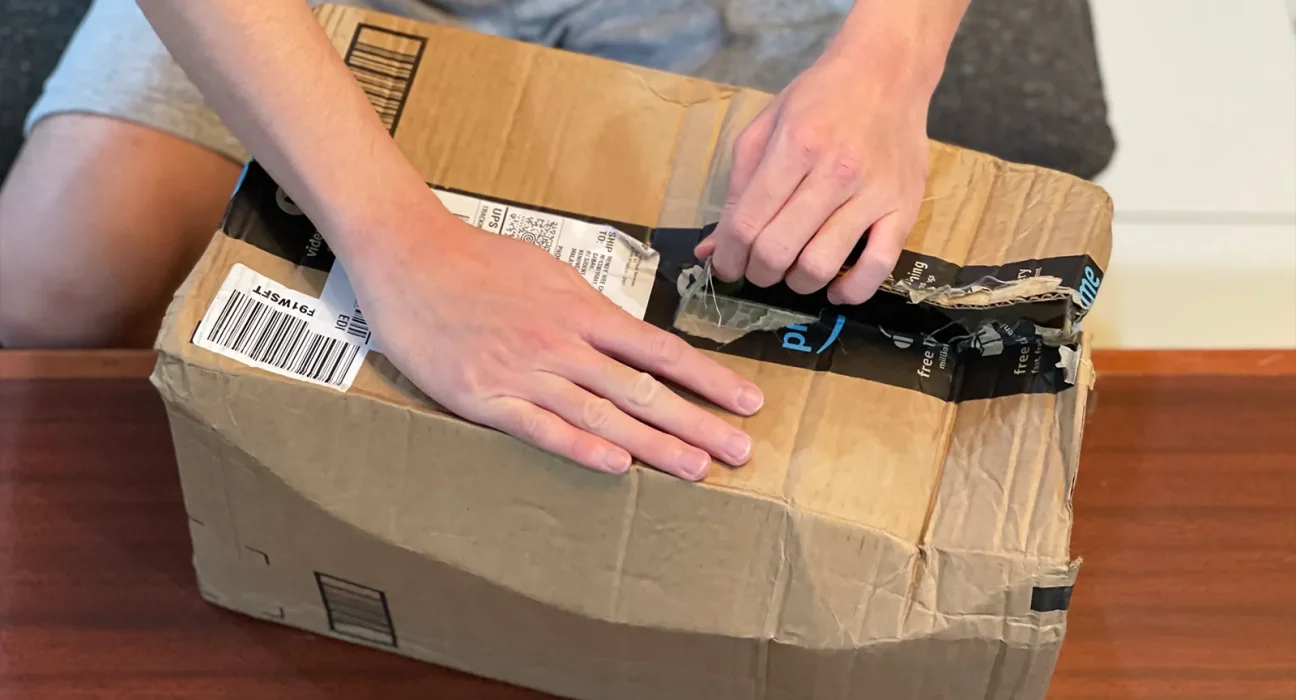
Moving can be both exciting and overwhelming, especially when it comes to packing. Knowing what to pack first and what to leave for the last day is key to a smooth transition. A well-organized packing plan saves time and reduces stress. In this guide, we will walk you through packing essentials and share moving packing tips to help you prepare for your big move.
The Essentials in Packing
It’s not all about tossing things inside a box when packing your home to relocate. It has a way of making priority number one in making sure everything meets their destination safely. Understanding the ways in packing essentials can make you stay tuned and fragile items keep secure, and accessible to everything whenever necessary.
Advantages of doing it the planned way include :
- Less Stress: The knowledge of what to pack and when prevents last-minute mayhem.
- Easy Unpacking: A structured approach makes unpacking easier later on.
- Safety of Belongings: Delicate items are safer since proper packing reduces the chances of breakage.
What to Pack First: Early Packing Essentials
Early packing is an important key to a stress-free move. Begin your packing with items that you do not use daily but will require in your new home.
1. Seasonal Items
Start packing with items you will not need right away. These could be out-of-season clothes, holiday decorations, and sports equipment. You can get a head start with these items packed well in advance without affecting your daily life.
2. Storage Items
If you have items stored in your attic, basement, or garage, now is the time to pack them. These could include old photo albums, tools, or seldom-used appliances.
3. Books and Media
Books, DVDs, and other media are heavy and take up space. Pack these early to lighten the load for moving day. Use smaller boxes to avoid making them too heavy.
4. Wall Decorations and Artwork
Take down the artworks, picture frames, and mirrors well in advance. Wrap them properly with bubble wrap or blankets to avoid any damage during the move.
5. Collectibles and Rare Items
Delicate collectibles or rare items should be packed well in advance with greater care. Clearly mark these boxes as fragile to handle them appropriately.
6. Guest Room Items
If you have a guest room, you can pack everything inside it first. These items are usually not needed to be used daily.
What to Pack First: Essential Tips
- Label Each Box: On each box, write its contents and which room it belongs to.
- Invest in Quality Packing Material: Get sturdy boxes, bubble wrap, and packing tape.
- Pack Heavy Items First: Place heavier items at the bottom of boxes and lighter items on top.
What to Pack Last: Day-to-Day Essentials
As moving day approaches, you’ll need to leave some items unpacked for daily use. These items should be packed last to ensure easy access until the very end.
1. Daily Essentials
Prepare a box with essentials to use during the last days at your old home and the first days at your new home. This should include:
- Toiletries: toothbrush, toothpaste, soap, etc.
- Basic kitchen utensils, plates, and appliances such as a coffee maker
- Medication and first aid kit
2. Important Documents
Keep important documents like passports, birth certificates, medical records, and moving contracts easily accessible. Keep them in a separate folder or box.
3. Cleaning Supplies
Leave cleaning products out to clean up your old home before leaving and to clean your new home before unpacking.
4. Electronics and Chargers
Concluding Moment: Pack all commonly utilized electric appliances like phones, laptops along with their chargers in the last moment.
5. Clothing for Several Days
Clothing: A few days’ supply considering the weather and any activities needing your attention during the move should be packed in.
6. Pet Essentials
If you’re moving with pets, pack their food, bowls, toys, and any medications last to ensure they stay comfortable during the transition.
7. Kids’ Essentials
For families with children, leave out their favorite toys, snacks, and books to keep them entertained during the move.
Essential Packing Tips for What to Pack Last
- Create a “Last Open, First Unpack” Box: Pack items you’ll need immediately in your new home in a clearly labeled box.
- Use a Clear Plastic Bin for Essentials: Transparent bins make it easy to identify must-have items without opening multiple boxes.
- Keep Essentials With You: Avoid placing daily necessities in the moving truck. Keep them in your personal vehicle for easy access.
Packing Mistakes to Avoid
While packing for a move, there are a few pitfalls that might make the process more frustrating. Here are common mistakes to watch out for:
1. Overpacking Boxes
Overpacking could mean damaged items or a box breaking. Distribute weight uniformly and use smaller boxes for heavy items.
2. Skipping Labels
Unlabeled boxes can create confusion when unpacking. Always label boxes with their contents and destination room.
3. Poor Packing of Fragile Items
Improperly packed fragile items can break during transit. Use bubble wrap, padding, and sturdy boxes to ensure their safety.
4. Leaving Packing Until the Last Minute
Procrastination can lead to stress and disorganization. Start packing weeks in advance to avoid last-minute chaos.
Tips for a Seamless Unpacking Process
After moving, unpacking may be a nightmare. Well, it can be made easier by following these steps:
- Start with the Essentials Box
Unpack your “last open, first unpack” box first. This will ensure you have access to the daily necessities immediately.
- Unpack One Room at a Time
Focus on one room at a time, then proceed to the next. Begin with the kitchen or bedrooms to get functionality in your home as soon as possible.
- Get Rid of Packing Materials
Recycle boxes and packing materials as you unpack to keep your new space clean.
How a Packing Checklist Helps
A packing checklist ensures that nothing is forgotten. Divide your list into three categories:
- First to Pack: Seasonal items, storage items, books, and artwork.
- Pack Later: Everyday essentials, important documents, cleaning supplies.
- Move-out Day: Check to make sure everything is packed and load essentials last for easy access.
Having a checklist at hand keeps the process organized, efficient, and less stressful during the moving process.
The Role of Professional Movers
Hiring professional movers will ease your burden of packing. Most moving companies offer a packing service whereby they can ensure your items are well-packed and ready to go.
- Professional Packing: They will professionally take care of all the fragile and valuable items.
- Save Time: Movers can pack an entire house in a fraction of the time it would take you.
If hiring movers, communicate clearly about items you’ve packed and those you want them to handle.
Conclusion
Packing to move doesn’t have to be overwhelming. You can remain organized and reduce your stress by knowing what to pack first and saving essential items for last. Follow these moving packing tips, and rest assured that your belongings are packed safely, and that you have what you need upon arrival at your new home.
Remember, a well-thought-out plan and a focus on packing essentials can make your move smoother and more enjoyable. With these tips, you’re ready to tackle your move with confidence and efficiency!