Behind the Scenes: How Your Favorite TV Shows Are Made
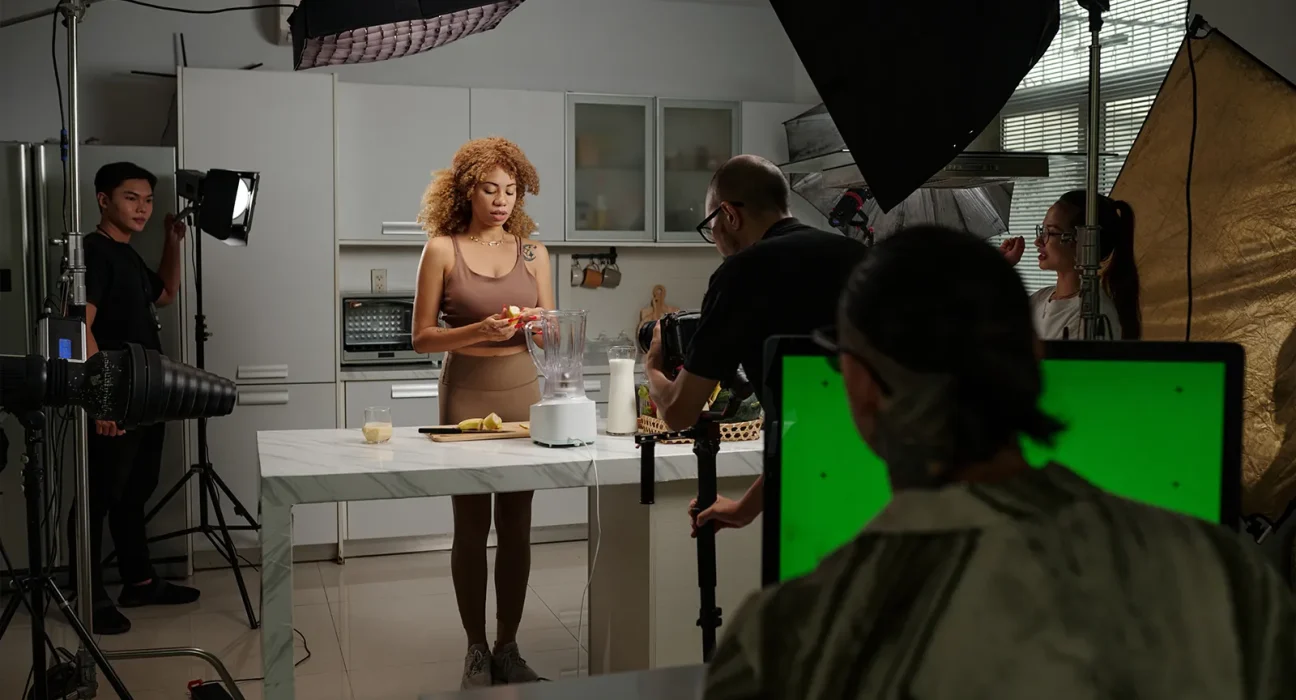
Ever wondered what it takes to bring your favorite TV shows to life? From the time an idea of a story is conceived to the time it lights up your screen, there is involved an intricate process full of creativity, technical know-how, and collaboration. In this article, we take you behind the scenes of TV production to uncover just how your beloved shows are made, step by step.
1. The Birth of an Idea
Every television show starts with an idea. Usually, writers or producers come up with ideas based on trends, audience demand, or personal inspiration.
- The Pitch: A writer or producer pitches the concept to a network or streaming platform. This includes an outline of the show’s premise, key characters, and potential story arcs.
- Greenlighting: If the network sees potential, they greenlight the project, approving a pilot episode or an entire season.
For instance, the writers of Friends pitched a show that followed the lives of a set of young adults living their lives and finding their love, which caught on with millions.
2. Writing the Script
When an idea gets greenlit, the writers’ room becomes abuzz.
- Writers’ Room Dynamics: The writers, usually under the leadership of a showrunner who oversees the creative direction of the show, write scripts as a team.
- Script Development: Scripts go through multiple drafts, incorporating feedback from producers and networks. Dialogues, humor, and emotional beats are fine-tuned to align with the show’s tone.
This stage is crucial in shaping the characters and plotlines that will captivate audiences.
3. Casting the Stars
The next step in TV production is assembling the perfect cast. Casting directors and producers audition hundreds of actors to find the right fit for each role.
- Casting Callbacks: Potential actors who did well in preliminary auditions are called back to further rehearse selected scenes, often with other actors, as a way to test on-screen chemistry.
- Iconic Example: Imagine Game of Thrones without Emilia Clarke playing Daenerys Targaryen. It’s easily imaginable how big a role casting plays in a show’s success.
The process of casting ensures that characters are relatable and can be connected with by the audience, making them believable.
4. Pre-Production: Building the World
Behind every shooting is a lot of preparation before the cameras start rolling.
- Set Design: The production designers and art directors create the location for the story to unfold. From realistic homes to fairy-tale kingdoms, it’s all in the details.
- Costume Design: The wardrobe team works out the costumes that define every character by their personality, era, or status. Shows like The Crown rely heavily on costume accuracy in depicting historical accuracy.
- Scheduling: The directors and producers coordinate shooting schedules in such a way that resources are optimally utilized, balancing the availability of actors and location logistics.
This lays the groundwork for a smooth production process.
5. Filming: Lights, Camera, Action!
Filming is where magic begins to come alive, but it is much more complex than what appears on screen.
- Multiple Takes: A single scene can require dozens of takes to perfect lighting, angles, and performances.
- Technical Expertise: The cinematographer, light person, and soundperson collaborate to capture the best visual and audio.
- On-Set Challenges: Inclement weather, technical malfunctions, and sudden delays often demand quick resolutions by the production team on location.
During filming, the directors lead the actors in bringing out genuine performances, ensuring each frame of the show is the way they envision it.
6. Post-Production: Perfecting the Show
After filming, post-production occurs, which is an important aspect in making your favorite television shows.
- Editing: Editors piece together footage, trimming scenes and adding transitions to keep the narrative flowing.
- Special Effects: Shows like Stranger Things use visual effects artists to create everything from the Upside Down to Demogorgons that transport viewers to another world.
- Sound Design: From footsteps to dramatic soundtracks, foley artists and sound editors enhance the auditory experience.
This is where raw footage takes form into a polished product ready for broadcasting or streaming.
7. Marketing and Promotion
With the show complete, attention turns to creating a buzz among audiences.
- Teasers and Trailers: Networks release teasers to create curiosity about the show.
- Social Media Campaigns: The casts and creators build excitement for their projects by posting behind-the-scenes photos and participating in Q&A sessions online.
- Press Tours: Actors and producers begin to make appearances on various talk shows, podcasts, and interviews to promote the series.
Ensure solid marketing so that viewers are prepared and eager to watch when the time comes.
8. Release the Show
The premiere is the culmination of months, or even years, of work.
- Broadcast or Streaming: Depending on the platform, the show airs weekly or releases all episodes at once.
- Viewer Feedback: Ratings, reviews, and social media reactions provide immediate insights into how well the show resonates with its audience.
For hit shows like Breaking Bad, the premiere often sets the tone for a loyal fan base and cultural impact.
9. The Ongoing Production Cycle
Production for a TV show does not necessarily end with the first season. The cycle starts afresh with the inclusion of lessons learnt and response from the audience.
- Script Revisions: The writers become tuned to what the audiences want and try to keep the show in that groove.
- Character Development: Even in prolonged shows, the main characters keep evolving, just like in The Simpsons.
This process is why your favorite shows will continue to thrill you with every passing season.
What Makes TV Production So Fascinating?
TV production is art, science, and collaboration in an unending cocktail. Much goes on backstage, yet, in interaction, the display becomes an event of a single piece: creative and technical interplay resulting in seamless viewing for the viewer.
- Collaboration: From the writers to the directors, from light technicians to costume designers, all contribute significantly.
- Innovation: Advancing technologies, from CGI to virtual production, open up a world of possibilities for storytellers.
- Dedication: Long hours and solving problems is the life of a person in TV production.
Understanding such efforts further increases our appreciation for those shows we love so much.
Some of the greatest TV moments have really interesting behind-the-scenes stories:
- Friends: This incredibly well-known set of Central Perk was designed to be warm and cozy, almost like it was its own character.
- The Mandalorian-The show introduced the cutting-edge virtual production technology, with real sets combined seamlessly with digital ones.
- Game of Thrones: Building the Iron Throne involved intricate craftsmanship; it was a symbol representing the show’s complex power dynamics.
These stories remind us that there’s always more to TV production than meets the eye.
Conclusion
Your favorite TV shows are created through complex processes, with many professionals continuously putting their best efforts into the tasks backstage. Everything from scripting, assembling of casts, set designs, to footage editing contributes a vital part that forms a whole in delivering shows to audiences.
Understanding the complexities of producing TV deepens our respect for the art form; it showcases the dedication and ingenuity that exists behind every frame. Next time you watch your favorite show, take a moment to think about the incredible effort that went into bringing it into your screen. After all, the magic of television is made possible by the hard work of those operating in the background, making sure the stories we cherish come alive.