


10 Effective Stress Management Techniques for a Healthier Life
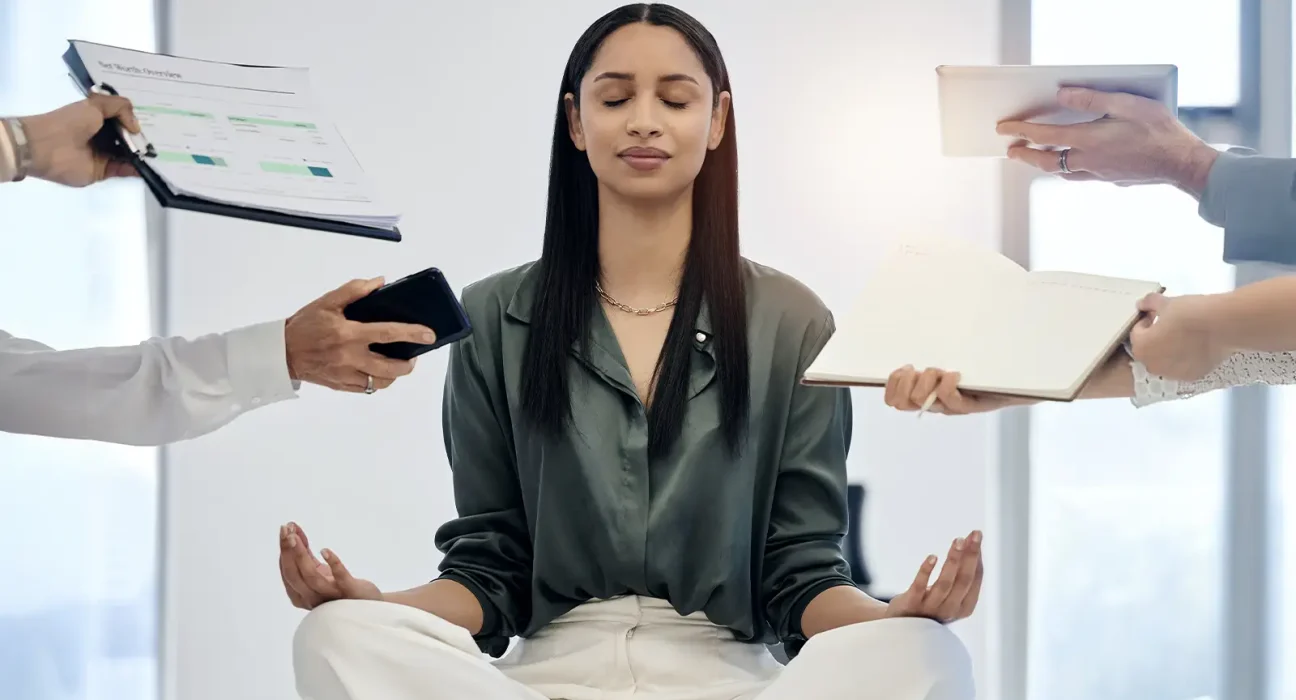
Stress has become a common feature in modern life. Pressures at work, family burdens, and challenges in emergencies may turn life gray. Most importantly, managing stress helps your life become healthier and more balanced. With appropriate stress management techniques, you will be able to prevent such outcomes of stress in your body and mind, thus living your life in a more composed and satisfying manner.
This article will introduce 10 stress management techniques that can help one handle stress better and catch a greater sense of calmness to achieve overall well-being.
1. Practice Mindful Breathing
It is the easiest and most effective method of managing stress. Every time there is any stress, it causes shallow breathing and rapid heartbeat, which in turn act to intensify feelings of anxiety. Deep and slow breathing starts off your body’s relaxation response-a state opposite that of stress, with high levels of calmness.
How to Practice Mindful Breathing:
- Sit or lie down comfortably.
- Take a slow deep inhalation through your nose, where you feel your abdomen expanding, and then hold for a brief second.
- Slowly exhale through the mouth.
- Continue this process for 5 to 10 minutes, focusing all attention on the breath as tensions in your body disappear.
Mindful breathing can be done anywhere and is a very effective immediate intervention in times of stress.
2. Exercise Regularly
Physical activity is a potent way to reduce stress. It helps your body create endorphins, which are natural mood-enhancing chemicals that help with stress and well-being. Regular exercise can also improve sleep, increase self-esteem, and reduce symptoms of anxiety and depression.
The following indicates how physical activity can be integrated into one’s daily routine:
- Aim for at least 30 minutes of moderate exercise most days of the week; this could include brisk walking, jogging, cycling, swimming, or any other form of activity that you like.
- If you have little time, try breaking up your exercise into smaller chunks throughout your day, such as a 10-minute walk during your lunch break.
Exercise can lower current stress and develop resilience against stress, both in short-term and long-term.
3. Practice Mindfulness and Meditation
One of the most successful stress management techniques is mindfulness and meditation, which help you stay focused on the present moment. Being in a state of mindfulness helps in bringing your focus away from thoughts that create stress and anxieties, making you feel more calm and balanced.
How to get started with mindfulness meditation:
- Find a quiet area that is free from disturbances.
- Sit or lie down comfortably and close your eyes.
- Bring into conscious awareness either your breath or some other point of focus, such as the sensation of your feet touching the floor or simply the surrounding sounds.
- If and when your mind starts to wander, passively bring your attention back to your breathing or your chosen point of focus.
- Begin with mere 5-10 minutes a day, and then gradually increase the time as you get comfortable with it.
Mindfulness and meditation will help you cope better with stress, decrease negative thinking, and enhance your emotional well-being.
4. Sleep Enough
Sleep is an active regulatory agent for stress, and it is also a component of basic general health. Poor sleep increases the risk of vulnerability to stress, reduces coping with demanding situations, and influences mood and cognitive functions. Good sleep hygiene may be the key to improvement in levels of stress and well-being. Here is how you can improve your sleep hygiene:
- Get into a sleep rhythm: go to bed and wake up at exactly the same time each day.
- Establish a bedtime routine: read something, take a warm bath, or do some breathing exercises before retiring to bed.
- Avoid caffeine, heavy meals, and screen time in the last hour before bedtime.
Concentrate on having good sleep, and you will be in a better position to confront stress and have energy for the day.
5. Healthy Eating

What you eat can make a great difference to how you cope with stress. A diet filled with fruits, vegetables, lean proteins, and whole grains provides the body with all the essential nutrients needed to adapt more so to stress. Sugary snacks, caffeine, and processed meals, on the other hand, would just worsen the stress and negative changes in mood.
To help establish good eating behaviors and to manage stress better:
- Eat at frequent intervals to maintain consistent energy levels.
- Focus your nutrition on foods that are high in vitamins and minerals, specifically magnesium, B vitamins, and omega-3 fatty acids, which play an important role in maintaining healthy brain function and response to stress.
- Limit caffeine and sugar as such substances, when consumed beyond a certain limit, may lead to energy crashes and irritability.
A proper, healthy diet could stabilize mood and increase energy and stabilize general stress levels.
6. Develop Time Management Skills
Bad time management breeds unnecessary stress. If you face a very long list or tight deadlines, there’s bound to be anxiety-a terrific amount of frustration arises. There are ways good time management can help to organize your day and reduce your level of stress. Here’s how to manage your time:
- Keep your tasks prioritized by importance and urgency, paying attention to what needs to be done first.
- Divide huge tasks into smaller ones that are relatively easy.
- Implement to-do lists, calendars, or even time-blocking techniques in maintaining the schedule and keeping updated about your tasks.
By properly managing time, feelings of being overwhelmed can thus be reduced, and stress can be coped with more positively.
7. Connect with Others
Social support is arguably one of the strongest stress management tools. Talking to friends, family members, or even a trusted mentor about sources of stress often brings relief and offers new ways of viewing challenges. The process of developing and maintaining quality social connections also enhances emotional well-being and resilience.
To stay connected:
- Set aside time on a regular basis to simply talk or visit with friends and family members, without feeling that something “needs” to be discussed.
- Get yourself involved in some community group or activities that will put you in contact with people who think similarly.
- If it all gets too much, do not be afraid to seek professional help. A therapist or counselor will be able to advise you on methods and ways of dealing with life’s stressors.
Having a good support network makes it easier to handle stressful events, so you are not totally alone.
8. Practice Gratitude
Gratitude is one of the influential tools to shift focus from stress to positive thought. When done regularly, it helps in modifying the psyche towards what is going right about one’s life, and this in turn reduces stress and anxiety.
Now, here is how you practice gratitude:
- Write in a gratitude journal three things each day that you are grateful for.
- Express gratitude: Although this may sound somewhat inauthentic at first, thank others, give compliments or even just offer a considerate act.
- Take time out each day to think about the good things in your life-even on days when things are not going so well.
As you get into the habit of being thankful, the mood will be much better balanced and hence can handle stress more confidently.
9. Engage in Relaxed Leisure Activities
You can tolerate a lot of stress and break free from thinking about your responsibilities with hobbies you may have. Be it painting, gardening, reading, or even playing an musical instrument, hobbies let you relax and indulge yourself in some pleasurable activities.
To incorporate hobbies in your life:
- Spend a little more time per week on your favorite activities, no matter how busy your schedule is.
- Engage in activities as hobbies that help in relaxation and de-stressing rather than enhancing the pressure, such as overly competitive activities.
- Try new things you may be interested in to explore newer avenues of relaxation and enjoyment.
Relaxing hobbies provide a much-needed mental break and help reduce stress levels.
10. Laugh More
Laughter is a natural stress-reducer since it reduces secretion of stress hormones, lowers blood pressure, and increases the release of endorphins, which are mood-elevating. Time to laugh is relieving, especially when one tries to glance at the lighter side of life, spends time with good friends, or even sees comedy movies. With this, stress will be enormously reduced while improving mental health.
Conclusion
Practice these 10 stress management techniques every day to cope with stress in a more wholesome manner, improve your emotional state, and enjoy life in a healthier and more relaxed manner. Mindful breathing or regular exercise can be one of the ways to keep it at bay, just like sharing joys and sorrows with loved ones. Each technique can be a simple method of reducing stress and fostering calmness in life.
Read also: How Practicing Mindfulness Can Enhance Your Physical and Mental Well-being


