Sustainable Fashion 101: How to Make Eco-Friendly Clothing Choices
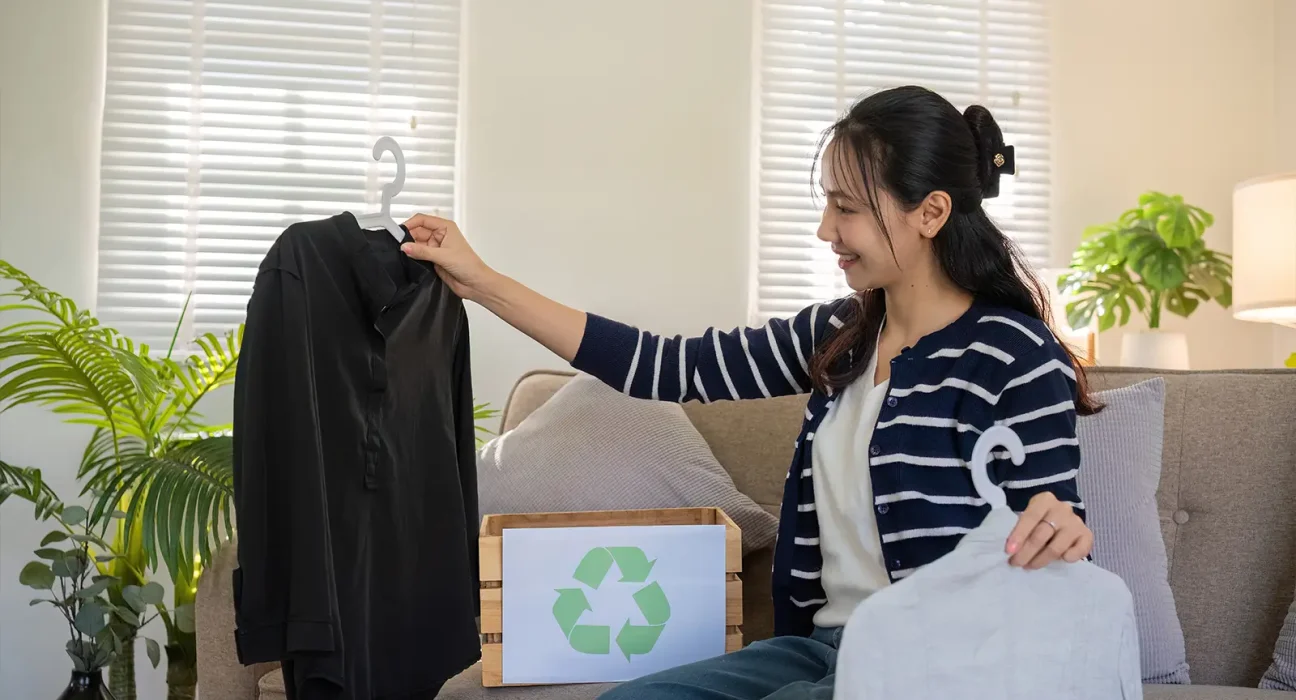
With increased awareness about environmental issues, among others, people seek various means of making more sustainable choices as part of daily life. Probably the most influential change you may make in life is the adoption of sustainable fashion behaviors. Sustainable fashion is not just a trend; it is all about making conscious and eco-friendly choices in clothes that contribute to reducing your footprint on the environment and promote ethics in production to support a greener future.
In this article, we’ll be taking a look at building a sustainable wardrobe, going over the many eco-friendly benefits of fashion choices, and some easy steps one can take to lower the impact on the planet while staying in style.
What is Sustainable Fashion?
In relation to clothes, it can be defined that sustainable fashion is a design, production, distribution, retailing, and use of clothes that could be economically viable, justifiable socially, and environmentally friendly. This would include wasting reduction, reduced harm to the environment, and good labor standards for garment workers. Sustainable fashion could thus imply the exact opposite of fast fashion-very mass production of low-cost garments in expectation of no more than a few wearings, if not discarded:.
Eco-friendly clothing choices are at the heart of sustainable fashion. This includes buying clothes with natural or recyclable fibers, opting for long-lasting items, and making purchases from companies that appreciate ethical and sustainable considerations.
Why Sustainable Fashion Matters
Fashion is one of the industries that require huge amounts of resources and emit a great deal of pollution. Large amounts of water, energy, and raw materials are needed to make apparel. In addition, synthetic fabrics, chemical dyes, and poor waste management further contribute to environmental deterioration. Fast fashion, with its production of apparel as fast and inexpensively as possible to meet ever-changing trends, only exacerbates this issue by encouraging overconsumption and waste.
With sustainable fashion, you are likely to contribute to:
- Reduction of Wastes: Fast fashion fosters the attitude of buy now, discard later. It is estimated that several million tons of textile waste are produced every year. Sustainable fashion, on the other hand, focuses on buying less but buying better-quality clothes in order to reduce the amount of garments reaching landfills.
- Save Resources: The manufacturing of green apparel is most likely to be made of organic, recycled, or low-impact materials that require less amount of resources. This will be very resource-saving in water conservation, reduction of energy consumption, and reducing carbon emissions from the production of clothes.
- Support Fair Labor Practices: Most fast-fashion brands exploit labor, paying workers meager wages under terrible conditions and even forced labor in some situations. Buying from sustainable fashion brands means you are supporting those committed to good wages, safe working conditions, and ethical production.
- Promote a Healthier Environment: Sustainable fashion practices contribute to reducing pollution through a reduction in the use of chemicals, dyes, and synthetic materials that harm the environment. This protects ecosystems and waterways and is good for the health of garment workers and consumers.
Steps to Adopt Sustainable Fashion
Making a shift toward sustainable fashion doesn’t have to feel daunting. Here are some quite intuitive and straightforward steps you can take right away to create an eco-friendly wardrobe:
1. Invest in Quality Over Quantity
One of the bases of sustainable fashion is investing in quality over quantity. Rather than buying several low-price, low-quality items, invest in good-quality clothes that are durable and able to stand the test of time. Well-constructed clothes will last longer and thus require fewer replacements. All long-lasting items one buys should be fabricated from strong, natural fibers such as organic cotton, linen, wool, or bamboo.
Buying multi-purpose items, such that they can be integrated into multiple outfits, is another effective way to get more wear out of your clothes while keeping a functional, stylish wardrobe with fewer items.
2. Opt for Eco-Friendly Fabrics
The type of fabric is a great determinant of how ‘green’ a particular garment is going to be. When buying new clothes, here are some eco-friendly fabrics one may consider:
- Organic Cotton: Grown with no application of harmful pesticides and chemicals, organic cotton is a modestly friendly substitute for conventional cotton, which is one of the most water-consuming crops.
- Hemp: This is one of the super popular sustainable plants that hardly needs water and pesticides for its development. It regenerates the soil and absorbs carbon dioxide; hence, it is great for ecological clothes.
- Recycled Fabrics: Most sustainable fashion brands have included the use of recycled materials in their production processes, such as recycled polyester or recycled nylon. These materials decrease the amount of waste and decrease demand for virgin resources.
- Tencel/Lyocell: Tencel originates from wood pulp sustainably sourced. This eco-friendly material is biodegradable; in its production stage, it requires less water compared to most fabrics.
You are going to leave a lesser impact on the environment by wearing clothes made from such eco-friendly materials, hence supporting sustainable fashion.
3. Buy Secondhand and Vintage Clothing
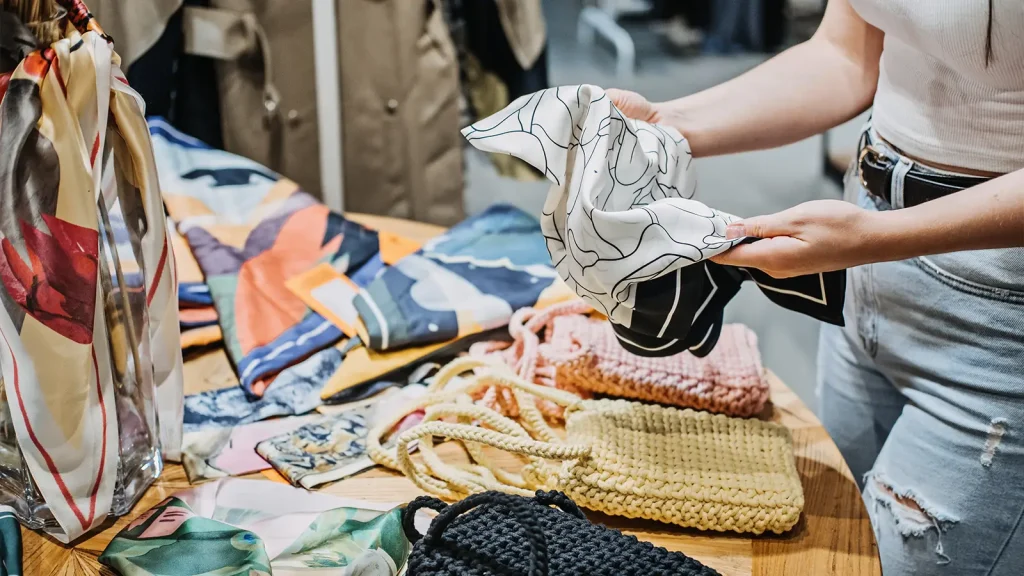
One of the most sustainable ways to renew your wardrobe is through buying secondhand or vintage clothing. The many thrift stores, resale platforms online, and vintage shops are a treasure trove for unique, fashionable pieces that have already prevailed through time. Buying secondhand clothes diminishes demand for the production of new ones, therefore saving resources and reducing waste.
Shopping secondhand will also let you get quality clothes at a fraction of the price, making it budget-friendly to wear green fashion.
4. Support Ethical and Sustainable Brands
Many fashion brands have taken considerable strides towards encouraging sustainability through business practices that are more environmentally friendly and social, focusing on the procurement and use of eco-friendly materials, ethical production processes, and proper labor practices. If you do buy new clothing, research and support brands whose values you align with.
Check for certifications like Fair Trade, GOTS, and B Corp; such tags mean the brand is committed to sustainability and ethical production. Both some popular sustainable fashion brands and a lot of smaller independent labels are really leading the charge when it comes to eco-friendly fashion.
5. Take Proper Care of Your Clothes
How well you look after your clothes will determine how long they stay with you. Proper care according to instructions extends the garments’ life, hence minimizing their replacement and waste altogether. Here are some environmentally friendly tips to help look after your clothes:
Wash clothes in cold water to save energy and preserve wear and tear in fabrics.
Allow your clothes to air-dry when possible, since dryers tend to weaken fibers, which may lessen life.
Do not use regular detergents, because they have very harsh elements that are damaging not only to the clothes but also to the environment.
Repair minor damages like lost buttons or minor tears instead of discarding clothes.
6. Avoid Fast Fashion Trends
Fast fashion, otherwise called high-volume clothing, made at a tremendously fast pace to keep up with present trends, is one of the most important factors responsible for environmental impact. Such clothes are usually made from cheap materials; therefore, they wear out and get replaced pretty fast.
Instead of buying into each trend, design a wardrobe of classic, multi-purpose pieces that can be worn over and over again. Where possible, avoid making impulse buys, and pay attention to the rate at which you’re consuming. Not only will these tips enable one to cut back on expenditure but also help in more thoughtful and ethical fashion decisions.
7. Donate or Recycle Unwanted Clothes
Meanwhile, when it’s time to get rid of worn-out clothes, be sure not to throw them out but put them in a landfill. Give the new or fairly used things to charity shops, shelters, or friends who will appreciate them. Many organizations will appreciate clothing donations and give them to whoever needs them.
For garments too far gone to be donated, seek out a textile recycling program that can repurpose or recycle materials. Some fashion brands also have recycling programs, where you can return old clothes in exchange for a discount on future purchases.
Conclusion
By embracing this set of sustainable fashion habits, you can make one giant leap toward reducing your environmental footprint while continuing to enjoy your love of a great wardrobe. Apparel that is more eco-friendly not only helps the environment but also aids in fair labor practices, healthier lifestyles, and a more considerate approach to fashion. Small, well-thought changes you make today in your choices of wardrobe can set a path towards a greener and more ethical tomorrow.
Read also: How Practicing Mindfulness Can Enhance Your Physical and Mental Well-being