10 Essential Home Safety Tips to Keep Your Family Safe
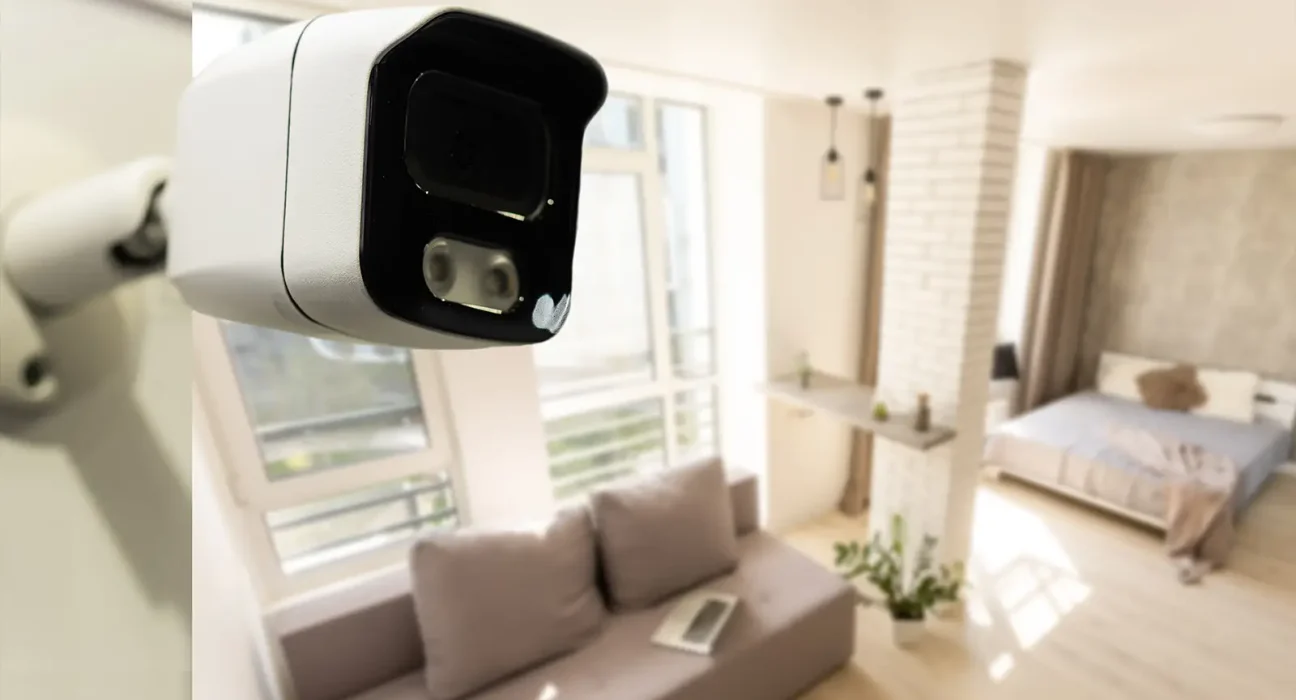
Among the leading responsibilities you have as a homeowner, ensuring safety and security is atop. You may want to protect your home from a possible intrusion, prevent fire hazards, or safeguard your family from the usual accidents. Whatever the case, there is an urgent need to ensure that the practices for safety are well implemented at home. With the right precautions taken, you’ll have a safe environment that reduces the rate of accidents and secures your family.
In this article, we will enumerate 10 important home safety tips that should be able to help you protect your home from several dangers and ensure your loved ones are safeguarded.
1. Install a Home Security System
Setting up a home security system-one of the most adequate ways to ensure that your family is well taken care of in case something goes wrong. These are designed not only to avoid intruders but also to inform you about possible break-ins-so you won’t have to worry, even when you’re away from home.
Key features of a home security system:
- Motion sensors that detect movement inside and around your home.
- Door and window sensors: These will send an alert if an entry point is opened.
- Surveillance cameras: These cameras stream real-time views of your property.
- 24/7 monitoring services: These services will dispatch authorities if suspicious activity is detected.
Many of them are now also available with mobile applications that enable you to monitor your home remotely, thus giving you control over it even when you’re away. One of the best protection tips for your family and properties involves investing in a good security system.
2. Secure Doors and Windows
Your doors and windows are usually the main entry points that most burglars use to break into your home. Ensuring they are secure is a fundamental step in home safety. Here’s how to reinforce home entry points:
- Install Deadbolts: Use heavy-duty deadbolts on all exterior doors. These locks provide an additional layer of security above and beyond the standard door locks.
- Improve Window Locks: Most windows have standard latches that are easily forced. It would thus be wise to change to improved window locks or even install window security film that makes entry very hard.
- Install Bars or Grills for Security: Consider security bars or grills at sliding glass doors or at windows in areas that are easy targets.
Check regularly that your doors and windows are always locked, especially in the evening when you go to bed or if you need to leave the house.
3. Install Smoke and Carbon Monoxide Detectors
The outbreak of fire and carbon monoxide is one of those silent threats that could surprise your family and leave them dead without warning. Smoke detectors and carbon monoxide detectors installed in key places within the house are indispensable tools for early detection of these hazards.
Installation locations for detectors are as follows:
- Smoke detectors are to be installed on every level of your home, especially in the kitchen and bedrooms/near sleeping areas. Test them once a month and change batteries twice a year.
- Carbon monoxide detectors installation should be near bedrooms and every level of your home. Because carbon monoxide is colorless and odorless, these detectors are quite necessary to avoid hazardous gas building up.
Get into the habit of periodically testing detectors, both types, so that you continue to live with operational ones, replacing them every 7-10 years. Early detection is the key to safety in fires and carbon monoxide poisoning in the home.
4. Create a Fire Escape Plan
Along with the installation of smoke detectors, having a fire escape plan ensures your family knows what to do in case of a fire. A well-planned plan gets everyone outside the house quickly and safely.
Here’s how to develop a fire escape plan:
- Identify Escape Routes: Go through your home and identify at least two ways out of each room. Make sure that windows open easily and that nothing blocks exits.
- Choose an Outside Meeting Place: Pick a safe location outside where everyone will meet once they get out of the house. That spot should be the same every time in case someone doesn’t get the word. It could be a neighbor’s house, or a nearby landmark.
- Practice the Plan: The family should go through regular practice in fire drills so that everyone would know how to get out safely in an emergency.
A well-practiced fire escape plan may save your life in case your family is prepared when a fire breaks out.
5. Keep Your Home Well-Lit

A well-lit house discourages burglars; since bad guys do not like bright lights, it may prevent them from intrusion. Proper lighting of your home’s exterior improves safety and security.
Here are some of the lighting tips:
- Install Motion-Sensor Lights: Lights with motion sensors turn on whenever there’s movement, letting you know when an intruder is present while saving energy.
- Use Timers for Interior Lights: When away, turn on interior lights using timers in the evening to give the impression of being home.
- Illuminate Pathways: Let all paths, driveways, and entrance ways to your residence be well-lit for accident avoidance and clarity on who may be approaching your residence.
Strategically placed lighting would improve home security and safety, reducing the potential for accidents or crimes to occur.
6. Childproof Locks and Safety Gates Installation
Childproofing at home ensures maximum safety among young children. From sharp corners to hazardous materials, childproofing measures may reduce many such dangers lurking in the home setting.
Consider these childproofing steps:
- Install Safety Gates: Install safety gates at the top and bottom of stairways or other areas that present a hazard to children, which they should not enter.
- Install Child Safety Locks: Apply locks to cabinets and drawers containing hazardous materials or sharp objects, including cleaning supplies, medications, and sharp tools.
- Cover Electrical Outlets: Cover electrical outlets with tamper-resistant outlet covers.
Childproofing your home minimizes accidents and injuries; thus, keeping your babies safe while they explore their environment.
7. Keep First-Aid Kits Handy
Accidents can occur at any time; therefore, a well-equipped first-aid kit needs to be on hand in your house to handle minor injuries without any delay. Keep your first-aid kit available to everyone in the house, including basic things like:
- Bandages and adhesive tape
- Antiseptic wipes
- Sterile gauze pads
- Tweezers and scissors
- Pain relievers
- Burn ointment
It’s also a good idea to have a first-aid manual on hand in case an injury requires attention that you are unfamiliar with providing. Make sure all family members know where it is and how to use it.
8. Check for Water Leaks and Electrical Hazards
Thousands of dollars in damages or putting your family in jeopardy due to water leaks or electrical hazards can be prevented by regular inspections around the home. This prevents fires, electrocution, or structural damage.
Here are things to watch out for:
- Plumbing: Under sinks, around appliances, or near water heaters, check for leaks. Catch them quickly, as they will cause water damage or mold.
- Check Electrical Wiring: Look for frayed cords, exposed wires, or overloaded outlets. If you suspect a problem with your home’s electrical wiring, hire a licensed electrician to make the necessary repairs.
Taking steps to prevent water and electrical hazards keeps your home a safe place for your family.
9. Secure Heavy Furniture and Appliances
Heavy furniture-such as bookshelves, dressers, and televisions-can pose a safety hazard if not properly secured. If an earthquake strikes or a child pulls on such furniture, it may fall and hurt someone.
Here’s how to secure heavy furniture:
- Anchor Furniture to the Wall: Secure tall or heavy furniture against tip-over with furniture straps or anchors to the wall.
- Avoid Putting Things on Top: Heavy objects on top of high shelves or furniture tops cannot be kept for falling hazards.
Fastening heavy furniture and appliances will help in preventing accidents and maintaining your home safe.
10. Regular Checking of Home Safety Equipment
Finally, all the home safety equipment is to be checked and serviced on a routine basis. Firefighting extinguishers, security cameras, and emergency alarms are parts of the home safety equipment.
Here’s how you can keep your safety gear current:
- Fire Extinguishers: Remember when your fire extinguishers expire and ensure access in key locations, like the kitchen and garage.
- Security Systems: Periodically make sure cameras and alarm systems are functional.
- Detector Checks: As described above, inspect the smoke and carbon monoxide detectors on a monthly basis, changing out the batteries when needed.
Regular maintenance of the safety equipment in your home keeps you prepared for anything that may go wrong.
Conclusion
By following these 10 Basic Home Safety Tips, you will be able to keep your family safe and comfortable. From locking doors and windows to the installation of smoke detectors and childproofing, all these practical measures will protect your loved ones from possible danger and let you be at ease, knowing that your home is safe. It takes time to make your home safe, but the advantages of a safe house will be well worth the money invested in the process.
Read also: How Practicing Mindfulness Can Enhance Your Physical and Mental Well-being