Home Office Setup Ideas: How to Design an Efficient Workspace
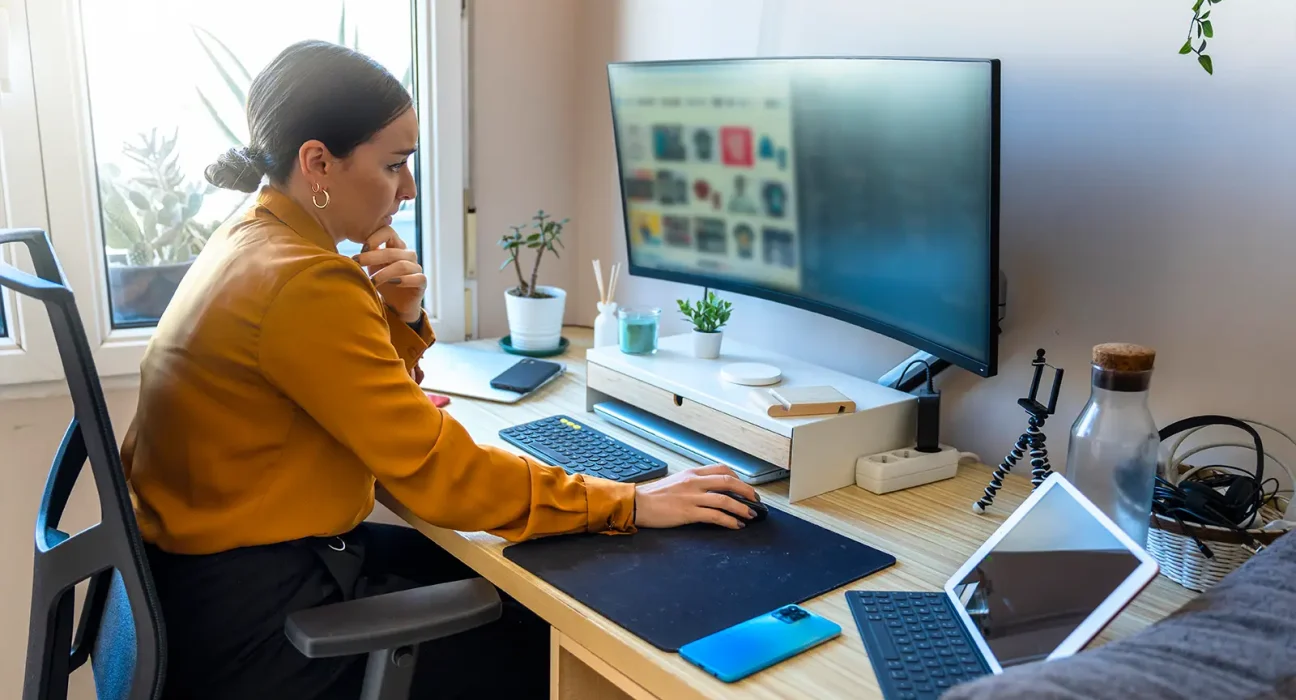
As interest in working from home and flexible schedules grows, the design of a home office becomes of essential importance for productivity and health. Whether one is working full-time from home or just needs space for casual tasks, having the right workspace can make quite a difference in focus, motivation, and efficiency. You are free to devise a workspace that will not only support your work patterns but also turn out to be an inspirational spot that suppresses distractions.
In this article, we are going to review some of the most important home office setup ideas so you will be able to create an office that will enhance your productivity and make you feel composed and inspired. We will take you through everything from choosing the perfect furniture to creating an effective workflow in creating the best setup for your home office.
Choosing the Right Location
The first step in an effective home office setup is choosing the right place to do it. Naturally, your home office should be set up in a quiet, well-lit area away from distractions. Choose a dedicated room or corner, if possible, that you can use only for work, so you are able to make a mental switch between “work mode” and “home mode”.
Following are some things you may want to consider when looking for a place for your workspace:
- Natural Light: If possible, position your desk near a window. It will uplift your mood, avoid eye strain, and make you more productive. In case your workplace does not offer natural light exposure, you should consider good-quality lighting that provides daylight conditions.
- Low-traffic areas: Choose an area well away from ‘action’ areas, such as the kitchen and living room. A quiet space will let you focus and put you into a work frame of mind that’s conducive to concentration.
- Scalability: If you will be working from home for an extended period of time, consider whether your chosen space has room for additional equipment or storage. A cramped workspace is highly inhibiting for productivity and tough to stay organized.
Invest in Ergonomic Furniture
First of all, comfort has something to do with the setup of a home office you are going to have after all, you will be working on your desk for such a long period. Ergonomic furniture is about good posture to alleviate physical strain and not feel any discomfort from continuous hours at work.
What You Need to Consider in Picking Furniture:
- Ergonomic Chair: The chair should be supportive, with adjustable height, lumbar support, and comfortable cushioning. The chair you use should be of help for good posture, where your feet are on the floor and your knees at 90 degrees. An ergonomic chair helps reduce the risk of back pain and strain.
- Adjustable Desk: It is very important to get a desk that would fit your height and workspace requirements. Look for an adjustable desk-like sit-stand desk-which will let you switch between sitting and standing during the day. Thus, the variation can help in improving the flow of blood, reducing fatigue, and keeping better health in general.
- Monitor Placement: Place your monitor so you don’t have to strain your neck. The screen needs to be approximately 20 to 30 inches away from your eyes, with the top of it at or below eye level. If using a laptop, you might want to get a laptop stand and separate keyboard for better ergonomics.
Optimize Lighting to Your Productivity
It is very important for setting up an efficient home office. Poor lighting can cause eye strains, headaches, and general fatigue; all these features hamper productivity. The best lighting for a home office, ideally, should be a mix of natural light with artificial, providing the correct brightness to support focus without glare.
Some tips about lighting:
- Natural Light: Place your desk near a window whenever possible and take advantage of natural daylight. This will help in reducing eye fatigue, making you feel good during the day.
- Task Lighting: Complement overhead lighting with task lighting using things like a desk lamp, placing focused light on your work area. Look for an adjustable lamp that emits soft, warm light without glare on screen and papers.
- Avoid Harsh Lighting: Harsh fluorescent lighting can give one headaches and make focusing even more difficult. Soft, diffused light is better for creating an area that is both calm and inviting.
Organize Your Workspace for Efficiency

It’s much easier to be focused and not get distracted with an organized workspace. Disorganization slows down productivity; it can really be painfully slow to find what you need in a rush. Apply the storage solution or maintain your desk clean for an efficient workflow.
Here are a few organization ideas that may apply for your home office set-up:
- Desk organizers: Desk organizers or dividers will keep all office supplies, like pens, notebooks, and cables, in their places. This keeps your desktop from any kind of junk and saves you time when you have to find something.
- Shelving and Cabinets: You shall add shelves, a filing cabinet, or storage boxes to store all the papers, books, and equipment. That way, all will be at your fingertips; you will be more productive and will not be distracted by searching for misplaced things.
- Cable Organization: Use cable organizers or clips to keep cords and cables clean and hidden. A clutter-free desk is less distracting and makes it more visually appealing to work on.
Add Personal Touches to Inspire You
Your home office installation should be more functional and inspirational. Adding personal touches to the workplace acts like a booster, increasing motivation, creativity, and generally making one feel happy. These elements make your workspace more appealing and personalized.
Here’s how to add inspiration in your home office:
- Artwork and Decoration: On the walls may be hung artwork, posters, motivational quotes-things that feed the visual environment. Make it personal, make it stimulating to your creativity.
- Plants: Adding plants to your working space brings in an outdoor feel. They purify the air and may help reduce stress while calming you down. For a home office, place easy-to-care-for plants like succulents, peace lilies, or snake plants.
- Color Palette: Choose a color palette that provokes focus and calm. Pastel shades of blue and green, along with neutrals, will help you to keep focusing with calmness, while sudden touches of brighter tones like yellow or orange will make you more creative.
Create a Technology Nook
The right technology makes a home office work seamlessly. It’s not about having the biggest and best, but rather what helps you perform your job easier and productively more efficient. Here are several technical pieces of equipment to consider:
- High-Speed Internet: Be certain you have fast, reliable access to the internet to support video conferencing, transferring files, and any other online work. If your home Wi-Fi access is spotty, it may be time to upgrade your router or use a Wi-Fi extender.
- Backup and Storage: Utilize cloud storage through Google Drive, Dropbox, or OneDrive to backup your important files so you can access your work from any part of the world. You may also use an external hard drive to provide additional storage for large files or backups.
- Noise-canceling headphones are necessary for those sharing their homes with others and also important for people who need to block out the background noise. The headphones will help you focus on work during your working hours, especially during video calls or meetings.
Set a Clear Boundary Between Work and Personal Life
One of the most difficult things about working from home must be trying to separate work from personal life. When your office is in the same space where you unwind, it could be hard to shut your mind off from work. Setting boundaries will help keep a good balance between work and personal life.
Here is how you will be able to set clear boundaries:
- Predefined Work Hours: Nail specific work hours and stay within them. At the end of the workday, leave your home office and avoid checking emails or continuing with more work. This helps you draw a line between work and personal life.
- Close the Door: If one’s home office has a door, make it a rule to close the door at the end of the day. This can be a real physical barrier that signals this is now the end, hence creating boundaries between work and everything else.
- Workstation Shutdown: Clean up your desk and turn off the devices at the end of each workday. This small ritual may signal that it is time to transition from work to relaxation.
Conclusion
Using these home office setup ideas, one will be able not only to support productivity but also to enhance well-being. From picking up the correct location for your home office to adding a personal touch, your home office should be one in which you are as productive, organized, and inspired. A correctly set-up home office can transform any corner of your home into an effective and appealing workspace where remote work will be a pleasure rather than a nuisance.
Read also: How Practicing Mindfulness Can Enhance Your Physical and Mental Well-being