The Role of Sports in Building Teamwork and Leadership Skills
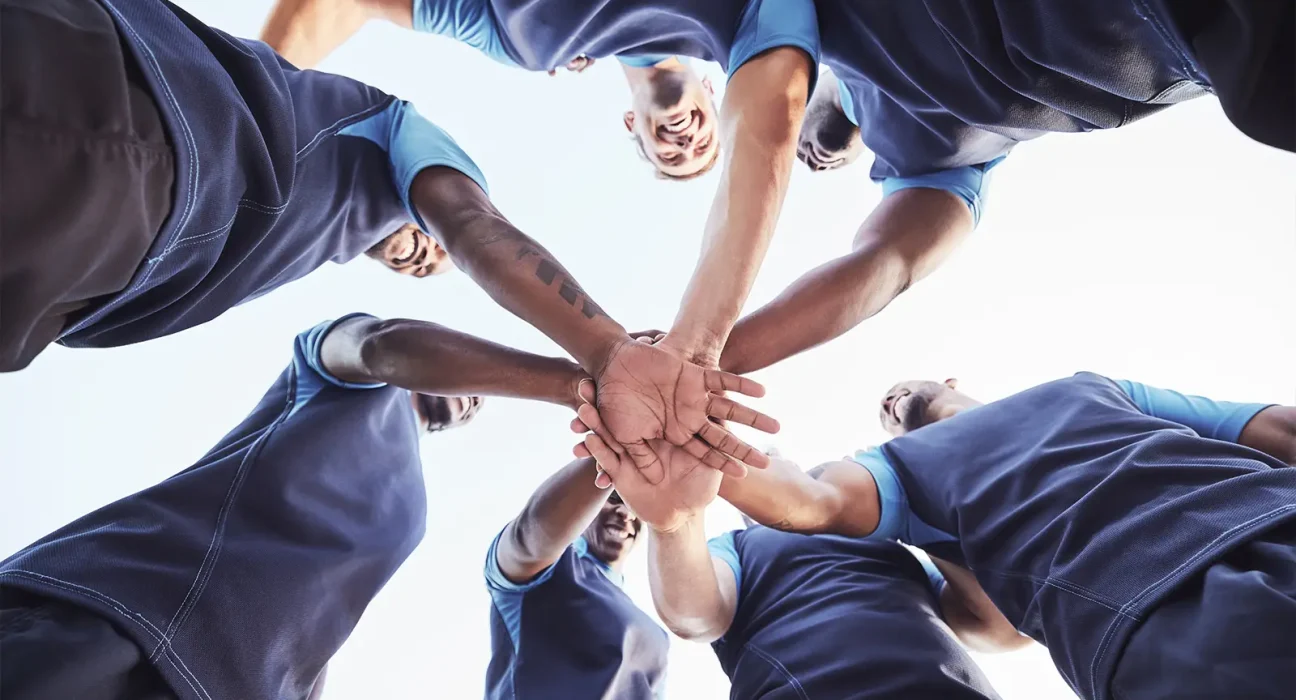
Sports teamwork encompasses more than strategic planning since it delivers life skills education through competitive activities from school fields to corporate events and professional championship matches. Sports provide four essential life skills which include collaboration with resilience and communication and leadership development. The essential components which make up successful people and productive teams operate across both athletic fields and business environments.
This guide investigates how sports leadership connects to team effectiveness along with sports advantages for personal growth and professional development.
Why Sports Are a Powerful Teacher
High-pressure real-time sports environments push athletes to make quick decisions while supporting their teammates and prioritizing team success over personal achievements. The natural environment of sports settings develops essential abilities which include:
- Communication
- Accountability
- Adaptability
- Strategic thinking
- Empathy
- Resilience
The valuable lessons from sports activities produce direct applications for all aspects of life such as classroom management and business leadership and relationship maintenance.
The Foundation of Sports Teamwork
A successful sport depends entirely on teamwork. The achievement of each player depends on their teammates in basketball and rowing as well as relay races. Sports teamwork builds its structure through these processes.
1. Clear Roles and Responsibilities
Every sports team includes players who perform specific duties and follow established roles. A striker understands their role to score goals while defenders dedicate themselves to defending the goal. All participants benefit from this clear understanding which shows them how their unique contribution supports the mission—this approach serves any workplace and community group.
2. Trust Building
A team requires its members to place their trust in one another. The practice of trusting your teammate to be in position for passes and defensive coverage develops dependability between people which leads to mutual trust.
3. Shared Goals and Collective Effort
All sports teams pursue a common objective which includes winning games while enhancing performance to reach playoff qualification. The experience teaches participants about collaborative success over individual ambition which remains a fundamental principle in leadership and everyday life.
Leadership in Sports: Developing the Next Generation of Leaders
The process of developing leadership skills in sports requires both practice and the process of achieving it. Every sports team member possesses the ability to develop leadership skills through both personal experience and mentoring from others.
1. Leading by Example
Athletes who arrive on time and provide full commitment along with team backing naturally emerge as unstructured leaders. Others follow their cues. Leadership emerges from actions instead of titles when it exists in its purest form.
2. Verbal Leadership
Some players inspire through communication. Team success in high-stress situations depends heavily on verbal leadership which includes motivational speeches in locker rooms and crucial game-time decisions.
3. Decision-Making Under Pressure
During games athletes must rapidly make choices which determine how matches will end. Leadership development occurs when individuals learn to balance risks against strategies and make confident decisions in high-pressure situations.
4. Conflict Resolution
Tensions can rise during intense games. Athletes need to understand how to handle conflicts and control their emotions while keeping the team united because these skills are fundamental for leadership roles in every life situation.
Real-World Applications of Sports Leadership
Sports experiences remain active in players’ lives beyond competition. Sports activities help people develop leadership and teamwork abilities which lead to better outcomes in education and professional work as well as community involvement.
In School
- Athletic students frequently take on roles such as class president and peer mentor as well as club leadership positions.
- The practice of time management and accountability develops among them from an early stage.
- The classroom receives enhanced collaborative learning because athletes approach their studies with a focus on teamwork.
In the Workplace
- A Harvard study reveals that former athletes demonstrate a 15% greater tendency to advance into leadership positions.
- They demonstrate competence in both leadership and teamwork responsibilities.
- These individuals possess expertise in handling failure while making strategic adjustments and striving to achieve better performance.
In the Community
- The sports world often sees former athletes and coaches develop into influential leaders of their communities.
- Team sports unite individuals who share a common experience to become part of a cohesive group.
- Sports activities create spaces where people from different racial backgrounds and both genders and different economic groups come together.
Sports produce advantages that surpass the physical domain
While the physical benefits of sports (like strength, endurance, and health) are documented well, the psychological and social advantages are equally significant.
1. Enhanced Self-Esteem
The achievement of objectives and enhanced athletic abilities together with social endorsement strengthen one’s confidence levels. Through athletics individuals learn to set goals which becomes essential for their personal advancement.
2. Emotional Regulation
The ability to handle frustration together with anger and fear when under pressure develops emotional intelligence in athletes. Sports create an environment that lets athletes safely handle their intense feelings.
3. Increased Resilience
Losses are inevitable. Sports provide essential life lessons about recovering from setbacks and making positive changes after mistakes through developing necessary skills for leadership success.
4. Discipline and Commitment
Training schedules, diet, and sleep habits require discipline. The dedication to continuous improvement throughout time develops both patience and perseverance.
Sports Teamwork in Different Disciplines
Every sport places a unique emphasis on team-based collaboration along with leadership principles. Here’s a breakdown:
Team Sports (e.g., Soccer, Basketball, Volleyball)
Focus: Collective strategy, passing, support, defense
The leadership style involves rotational duties with playmakers and team captains.
Individual Sports with Team Elements (e.g., Swimming, Track & Field)
Focus: Personal performance contributing to team scores
Leaders in this context function as role models who give mutual support to their teammates.
Combat and Partner Sports (e.g., Martial Arts, Tennis Doubles)
Focus: Tactical partnership, non-verbal communication
The leadership approach in this context depends on shared duties and mutual responsibility between team members.
Adventure and Outdoor Sports (e.g., Rowing, Rock Climbing)
The combination of physical and mental coordination stands as the main focus while maintaining high levels of trust between team members.
The leadership approach in this situation requires situational understanding for maintaining safety while leading.
The various sport variations provide distinct opportunities for athletes to develop applicable skills in teamwork and leadership.
How Coaches Foster Leadership and Teamwork
The role of coaches determines how athletes learn about leadership and teamwork development.
1. Modeling Values
Good coaches demonstrate the characteristics they wish their players to develop through respect and discipline and humility. Their behavior sets the standard.
2. Empowering Players
Through tasks such as team leadership and drill organization coaches develop their players’ leadership abilities.
3. Encouraging Reflection
The team members receive opportunities to analyze successful elements and unsuccessful aspects together with suggestions for improvement following both games and practice sessions.
4. Celebrating Effort, Not Just Victory
By prioritizing progress and resilience instead of exclusive focus on winning coaches create a positive and development-oriented team culture.
Sports values that sports teach can be used beyond athletic competition.
Educators together with families and employers need to establish methods which support the values obtained from sports activities in their daily lives.
- The educational environment should implement team-based projects that duplicate team behavior.
- The workplace benefits from hosting team-building exercises together with sports events.
- Families should participate in community leagues and school sports to create opportunities for involvement.
The application of sports lessons to real-world challenges helps students maintain their learned leadership and teamwork skills.
Inspiring Stories of Leadership Through Sports
1. Megan Rapinoe (Soccer)
The American soccer player Megan Rapinoe brought championship victory to the U.S. women’s team through her skills while fighting for social justice and gender equality.
2. LeBron James (Basketball)
Through his sports achievements LeBron James simultaneously invests in educational programs and works toward community growth to demonstrate how athletic leadership produces meaningful change.
3. Rich Froning (CrossFit)
As a team athlete in CrossFit competitions Froning demonstrates leadership through his emphasis of team discipline and spiritual guidance and humble behavior because leadership requires serving rather than shouting.
Final Thoughts: The Lasting Legacy of Sports
A playing field or court or track serves beyond athletic competition because it creates an environment where vital life abilities develop. Through sports teamwork and leadership in sports athletes develop essential tools that help them succeed in school and careers while building relationships and participating in civic life.The **benefits of sports** extend their advantages far past physical wellness because they transform mental capacities while developing personal traits and nurturing future leaders.
As a coach, parent, educator or aspiring athlete you should understand that every practice, game and huddle serves to develop people rather than just skills.