How to Prevent Sports Injuries: Tips for Aspiring Athletes
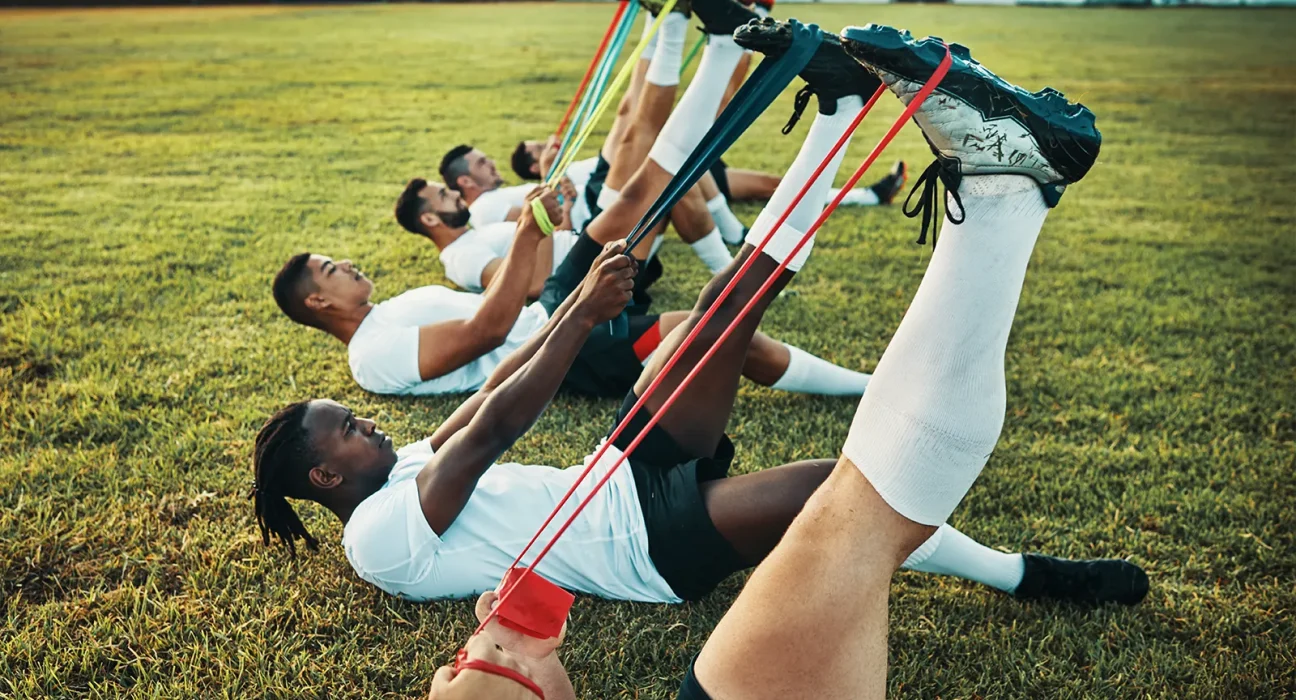
It also helps keep fit, builds skills, and creates avenues of competition. They have, however, a risk of injury, setbacks that may set back progress. To the aspiring athlete, learning how to prevent sports injuries is important for longevity and success in their field.
But many, if not most, common injuries can be prevented or at least their onset delayed through proper preparation, conditioning, and recovery methods. Herein is a generalized guide to help with some tips to prevent sports injuries and keeping optimum while performing.
1. Warm Up Properly
The most effective way to avoid sports injuries is to make sure one has a very good warm-up before doing any kind of exercise. A warm-up gets the body ready for physical exertion with increased blood flow to the muscles, flexibility, and reduced muscle stiffness.
Key Tips for an Effective Warm-Up:
- Start Slow: Start with light aerobic exercises such as jogging or jumping jacks to raise your heart rate gradually.
- Add Dynamic Stretches: Do leg swings, arm circles, and walking lunges to turn on the major muscle groups.
- Sport-Specific Movements: Make sure your warm-up includes motions that are similar to the activities in your sport.
2. Use Proper Techniques
Good techniques are taught and maintained to avoid sporting injuries. Bad form places additional forces on muscles and joints whether one is weightlifting, running, or playing a team sport.
Tips for Athletes:
- Get proper training from coaches or trainers to learn the right techniques.
- Periodically check to make sure bad habits are not being learned.
- Wear proper equipment; for example, wear shoes that fit properly or protect yourself with protective gear.
3. Be Consistent in Strength and Conditioning
Stronger, more enduring athletes have fewer chances of acquiring sports injuries. Strength training prevents sport-related injuries because a well-rounded conditioning program offers muscle strength, joint stability, and overall body mechanics.
Key Components of Strength Training:
- Emphasize core stability for balanced coordination.
- Add appropriate exercises for major muscular balance and imbalance.
- Progressively increase intensity and work load in order not to result in overtraining.
4. Don’t Skip Stretching
Stretching is important both to maintain flexibility and to help prevent muscle strains. Include dynamic stretches before activities and static stretches as part of your cool-down to help keep muscles supple and healthy.
Stretching Tips:
- Hold static stretches for 15–30 seconds without bouncing.
- Focus on the muscles most utilized in your specific sport, hamstrings for runners or shoulders for swimmers.
- Stretching should be done routinely, even on days that no active workout is planned.
5. Hydrate
Dehydration can cause muscle cramps, fatigue, and degraded performance-all of these contribute to the occurrence of an injury. An athlete should make sure to stay hydrated before, during, and after a workout.
Hydration Tips for Athletes:
- Drink water throughout the day, not just when training.
- Consider electrolyte-rich sports drinks for longer or more intense activities.
- Monitor your urine color; pale yellow is a sign of good hydration.
6. Listen to Your Body
Pain is a common early warning sign that you’re on a path that could get you hurt. And once you sustain an injury, you can find yourself out of commission for weeks or even months.
How to Listen to Your Body:
- Stop and rest if you experience pain, fatigue, or any kind of discomfort.
- Never work through an injury; if the symptoms continue, see a professional.
- If there are recurring aches, that may signify overuse or mis-execution; pay attention to those.
7. Don’t Overtrain
The most common mistake made by aspiring athletes is overtraining, believing that more is better. On the other hand, too much exercise without rest and recovery opens the door to burnout, fatigue, and injuries.
How to Avoid Overtraining:
- Stick to a training schedule that has rest days.
- Mix up your workouts to avoid repetitive strain on the same muscles.
- Prioritize quality, not quantity, in your training sessions.
8. Wear the Right Gear
The right gear can help your body as well as avert mishaps. It ranges from very minor to highly significant parts: from a helmet down to a pair of shoes. All add significantly to your protection.
Gear Tips for Athletes:
- Use highly qualitative, sports-specific gear only
- Replace your worn shoes, pads, and every worn out tool in time.
- Make sure your protective gear fits properly and provides the right kind of protection.
9. Cool Down After Exercise
A good cool-down helps your body recover from an intense exercise and helps avoid soreness and stiffness. Abnormally quick cooling decreases the heart rate and improves the blood circulation in the human body.
Cool-Down Tips:
- Do light aerobic activity like walking for 5–10 minutes.
- Add static stretches to release and lengthen the muscles.
- Use a foam roller or massage to release tension and help your body recover.
10. Allow Time for Rest and Recovery
Rest is as crucial as training in preventing sports injuries. In this recovery time, your body heals, repairs, and becomes stronger, hence minimizing the chances of injury.
Recovery Tips:
- Get 7–9 hours of quality sleep every night to help muscles recover.
- On rest days, do low-impact activities such as yoga or swimming.
- Consider incorporating recovery techniques such as ice baths and compression garments.
11. Address Weaknesses and Imbalances
Basically, identification and treatment of weaknesses or imbalances in your body are critical to preventing injury. For instance, weak abdominal muscles can promote poor posture, while tight hamstrings increase the risk for back pain.
How to Address Weaknesses:
- Consider consulting a physical therapist or trainer who can identify problem areas.
- Add specific exercises that will strengthen weak muscles.
- Balance exercises: Regularly check your mobility and flexibility to maintain balance.
12. Get Regular Check-Ups
Routine check-ups with healthcare professionals will help detect any potential problems well in advance of their becoming serious. Specialists in physical therapy, chiropractic medicine, and sports medicine may offer an added perspective on your body.
Check-Up Tips:
- Annual physicals and screenings.
- Get professional advice on injury prevention strategies for your sport.
- Address minor niggles and discomforts before they get out of hand.
13. Develop Mental Toughness
Mental toughness is one area often overlooked in sports injury prevention. Good mental toughness can help athletes to stay focused, handle pressure, and make good decisions in training and competition.
Mental Resilience Tips:
- Take good care of your level of stress-meditate or practice mindfulness.
- Set achievable goals and make sure to celebrate each of your small successes.
- Visualize Success: Keep a positive mind about success even when disappointments occur.
14. Cross-Train
Cross-training is done with the involvement in several other forms of exercises for a better development of general physical fitness and reduction of the chances of overuse injury. For example, the runners may swim or bike to give rest to the joints.
Advantages of Cross-Training:
- It enhances general strength and endurance.
- The same group of muscles faces less repetitive stress.
- Flexibility and coordination are enhanced.
Conclusion
Preventing sports injuries is essential for aspiring athletes to maintain peak performance and achieve their goals. By focusing on proper warm-ups, techniques, hydration, and recovery, athletes can significantly reduce the risk of injuries. Incorporating tips like listening to your body, avoiding overtraining, and addressing weaknesses ensures a balanced and sustainable approach to training.
Sports injury prevention is an entire process: not only taking care of one’s body, but also mental toughness, proper equipment, and annual check-ups. In young wannabe athletes, this investment in practice becomes a surefire way to stay in the game and be great at their sport of choice.
Remember, prevention is better than cure. By placing priority on these tips, it will not only prevent any injury to your body as an athlete but will improve your performance and extend a desirable athletic career path.