The Influence of Video Games on Modern Music Trends: A Cross-Industry Analysis
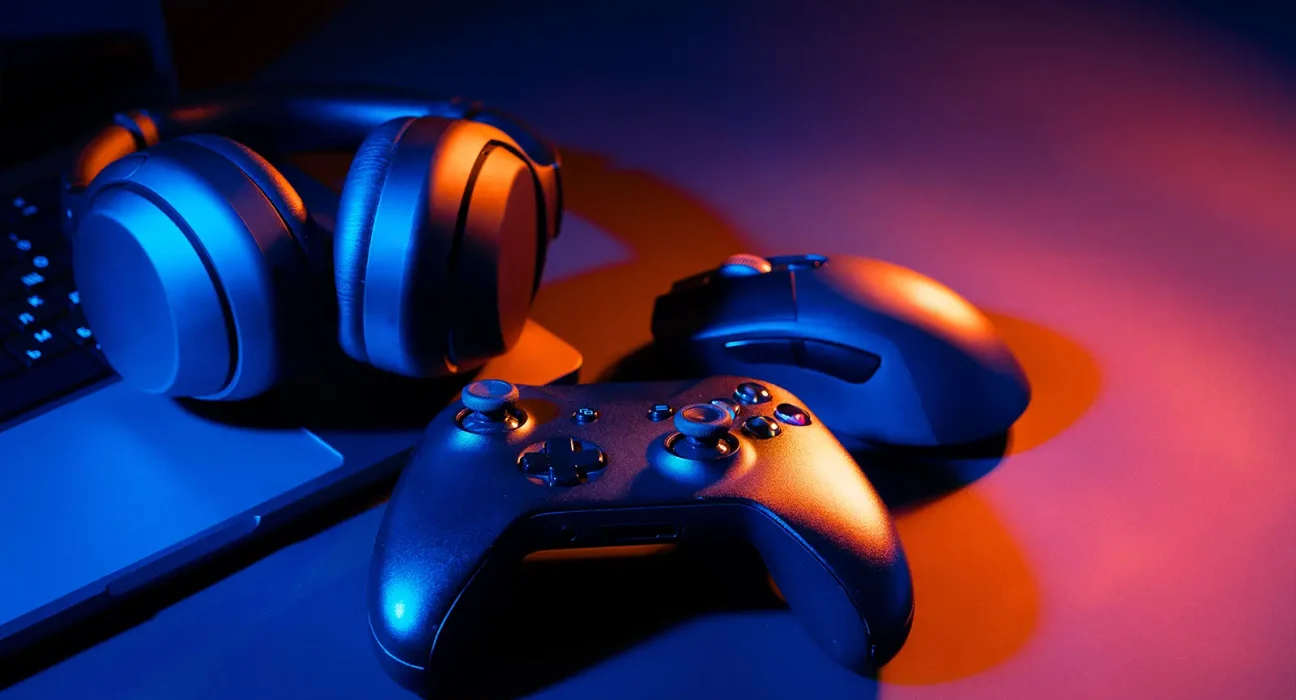
Within the digital era, video games and music have merged as one of the major driving forces that shape the face of modern music trends. What was once confined to simple 8-bit melodies has grown as a multi-dimensional art influencing artists, genres, and even cultural movements. Such cross-industry connections reveal the dynamism in the relationship between gaming and the wider music landscape, with enrichment across both worlds.
Evolution of Video Game Music
Video game music has come a long way from the very early days of the chiptune soundtrack. Since gaming was at the mercy of simple electronic sounds because of the limitations of the time, throughout the 1980s and 1990s, this resulted in catchy and repetitive tunes, which were iconic, that would become the bedrock of the emotional impact of video game music today.
Today, video game soundtracks have grown in complexity and production value to rival movie scores. From orchestral arrangements through genre-spanning songs to even collaborations with famous artists, video game music has grown as a strong storytelling tool. Games like The Legend of Zelda, Final Fantasy, and The Last of Us top charts for their emotive soundtracks, while titles such as Fortnite and Cyberpunk 2077 implement modern music trends, featuring tracks from prominent artists.
How Video Game Music Influences Modern Music
1. Inspiration for Artists
In turn, many contemporary musicians refer to video game music as a main influence when working. Classic gaming soundtracks, mostly because of their nostalgic appeal, gave way to the synthwave and chiptune genres. Modern game scores are so bold that artists, too, can’t help themselves but innovate. Skrillex and Grimes have been open about video games’ impact on their music; both artists frequently blend electronic elements with video game-inspired motifs.
2. Integration in Popular Music
Video game music is increasingly finding its place in mainstream tracks. Samples from classic games pop up in hip-hop, EDM, and pop songs. The collaboration of Drake with Fortnite and the Minecraft-inspired tracks by YouTubers and DJs have blurred the lines between gaming and chart-toppers.
3. Genre Creation and Revival
Music genres have been both created and revived due to video games. An excellent example would be synthwave, a genre made of retro-futuristic sounds reminiscent of those used in video games back in the 1980s. Lo-fi beats owe their viral fame partly to gaming streams that make use of these tunes in the background.
Cross-Industry Trends: Video Games to Music
The intersection of video game and new music industries has spun a number of cross-industry trends:
1. Game Developer and Artist Collaborations
Game developers are collaborating with musicians to create unique experiences within games. Games like Fortnite and Roblox have held virtual concerts for artists like Travis Scott and Lil Nas X, drawing in millions of players worldwide. Such events serve not only to promote the artists but also further blur the line between gaming and live music.
2. Soundtrack Streaming and Monetization
For one, video game soundtracks are now living second lives on platforms such as Spotify and Apple Music. Their scores are out in the market alongside mainstream albums and provide more ways of gaining recognition and revenue streams for composers. Games like Celeste and Undertale are critically acclaimed in terms of soundtracks and amass tens of millions of streams worldwide.
3. Music as a Gameplay Element
Some video games integrate music into the gameplay to offer players a variety of immersive experiences. Franchises such as Guitar Hero, Beat Saber, and Just Dance are examples of how such music-driven games can become a cultural phenomenon and affect how people interact with and consume music.
The Cultural Impact of Video Game Music
1. Fostering a Global Music Community
Video games have allowed different musical influences to come together on one platform. Japanese RPGs expose the world to traditional and modern Japanese music, while other games like Grand Theft Auto feature curated radio stations with genres from all over the world. This facilitates the exchange, improving modern trends in music and appreciation across cultures.
2. Creating Fandoms Around Soundtracks
Game soundtracks achieve cult status, inspire fan-attended live orchestral performances, as well as YouTube remixes. Because of this, the excitement over the video game music brings it into popular culture from outside the cadre of game players to mainstream culture, as well.
3. Inspiring New Ways to Experience Music
The interactive nature of video games provides a unique way of experiencing music. Unlike passive listening, players interact with soundtracks dynamically, shaping how they perceive and connect with the music. This interactivity encourages new forms of musical expression, such as adaptive scores that change based on player actions.
Challenges in the Cross-Industry Connection
Despite the successes, the collaboration between video games and modern music does not come without its challenges:
1. Copyright and Licensing Issues
The inclusion of licensed tracks in video games often involves complicated legal negotiations. The developers have to secure rights for in-game use, streaming, and post-release updates, which can be both costly and time-consuming.
2. Balancing Artistic Vision and Commercial Goals
While it may prove highly effective, these marriages of developers and artists tread a knife-edge between creativity and commerce. Developers make sure to be tightroppes, which use music that’s accompanying gameplay great and never too overpowered.
3. The Changing Nature of Player Demand
Players used to quality game soundtracks very rapidly. As expectations rise, so does the challenge for developers and composers. Often having minimal budgets combined with deadlines can require innovative sounds.
Future of Video Game Music
1. AI and Procedural Music Generation
The application of AI in the development of adaptive soundtracks is a growing trend. With the use of AI algorithms, music could be created that actually reacts to player actions in real time, enhancing immersion and personalization. This is likely to be what will define video game music in the future.
2. Deeper Integration of Virtual and Augmented Reality
Music in video games will be even more immersive and interactive with the rise of VR and AR. It could mean that players will experience live performances inside virtual worlds, dissolving boundaries between gaming, music, and reality.
3. Increased Collaboration Across Industries
The collaboration between the music and gaming industries will continue to increase, with more virtual concerts, artist-branded games, and innovative marketing campaigns across both platforms.
Conclusion
Video game music has irreversibly altered the face of modern music, from influencing artists and resuscitating genres to driving cross-industry collaborations; video games have reshaped the way we experience and consume music. Moving forward, the relationship between these two creative domains will only deepen as technology advances, fostering innovation and cultural exchange.
With this dynamic synergy, both the gaming and music industries come out as winners, enabling opportunities not only for artists and developers but also for audiences. Video game music is no longer a backdrop to gameplay; it’s a driving force in shaping the future of modern music.