Breaking Down the Connection Between Sedentary Lifestyle and Obesity
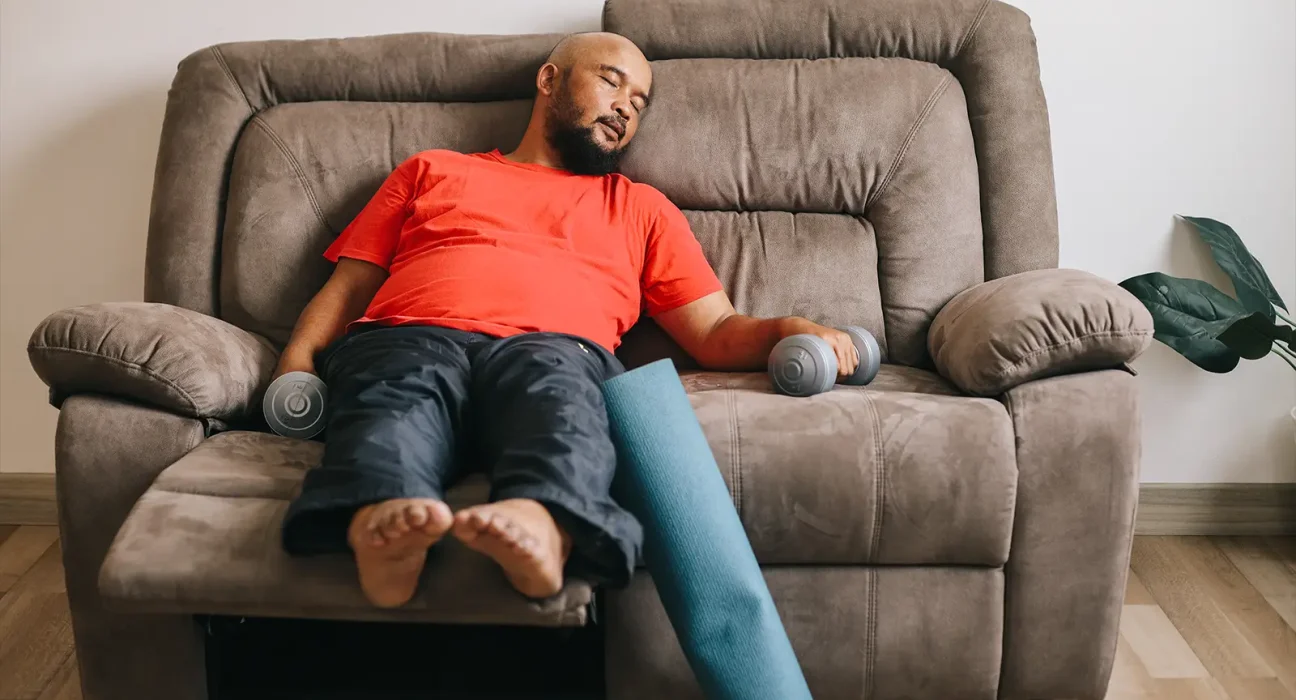
The modern world is designed to be convenient and efficient, but these usually come at the price of physical activity. People in modern times do mostly sedentary jobs: sitting at their desks, in cars, or in front of a computer screen on the couch. While that might seem quite harmless, it has been closely related to obesity and all other adverse health conditions. In this article, we’ll discuss how a sedentary lifestyle contributes to obesity, the health risks involved, and the steps you can take to counteract the negative effects of inactivity.
How Does a Sedentary Lifestyle Contribute to Obesity?
Basically, obesity is just the result of any disparity between intake and expenditure of energy. Simplistically speaking, if one consumes more than one burns, the extra calories are taken and stored as fat. A sedentary lifestyle decreases the daily amount of calories burnt by a great amount and that certainly makes gaining weight much easier, even when the nutritional intake has been relatively normal.
Here it is in detail with respect to weight gain leading to obesity:
1. Decreased Caloric Expenditure
The human body requires a certain quantity of calories for mere survival, even when resting. At the same time, this number increases considerably with physical activities. A sedentary lifestyle implies expelling fewer calories. It leads to an excess of calories because one takes in more than is expended. Over time, extra calories begin building up as fat deposits and result in weight gain, probably leading to obesity.
2. Lower Metabolism
It can also help keep the metabolic rate high, the rate at which your body burns calories. If one becomes sedentary, the metabolic rate slows down, hence making it quite hard for the body to burn the calories efficiently. This also contributes to the development of obesity since the body becomes less effective in utilizing the energy it consumes.
3. Muscle Loss
Besides, physical activity burns not only calories but also maintains muscular mass. When you exercise regularly, especially strength discipline, your body builds up and preserves muscular tissue. Obviously, muscle is a metabolically active tissue and thus consumes more calories than fat even at rest. In turn, if a person leads a sedentary lifestyle, then muscle atrophy occurs, which is a process when muscular mass decreases, and that reduces the ability of a person’s organism to burn calories and results in gaining weight easily.
4. Increased Appetite and Cravings
It is also argued that a sedentary lifestyle leads to an increase in cravings for high-calorie, nutritionally unsound food. Generally, less active people face fluctuations in blood sugar levels that may precipitate hunger and overeating. Without any physical activity to balance this increased intake of calories, weight gain and obesity become more rapid.
5. Changes in Fat Distribution
A sedentary lifestyle not only causes weight to be gained but affects where fat is stored in the body. Inactivity has been shown to increase visceral fat, which accumulates in the abdominal cavity around organs. Visceral fat is particularly dangerous, raising blood pressure and increasing the risk of obesity-related diseases, such as Type 2 diabetes, heart disease and certain cancers.
Health Risks of Sedentary Lifestyle and Obesity

It is a fact that a combination of sedentary lifestyle and obesity may lead to serious health risks which are likely to affect the physical and mental well-being. Some of the biggest health consequences may be reviewed as follows:
1. Cardiovascular Disease
It is a factor that highly contributes to cardiovascular diseases such as heart attacks, stroke, and hypertension. A sedentary lifestyle builds up plaque in the arteries, leading to high blood pressure, hence increasing the chances of heart disease.
2. Type 2 Diabetes
One of the most common health problems associated with obesity is Type 2 diabetes. Due to the lack of physical activity, the body starts having difficulty using insulin properly, a condition known as insulin resistance. Over time, this will lead to the onset of diabetes, a serious health condition where complications such as nerve damage, kidney disease, and problems with one’s vision may arise.
3. Mental Health Issues
The same happens with mental health: physical inactivity and obesity can also take an immense toll. People who lead sedentary lifestyles are at higher risks for depression, anxiety, and other mental health disorders associated with low self-esteem. Such situations can enter a vicious cycle: the poorer the mental state, the more sedentary the lifestyle, leading to continued weight gain and further damage to both body and mind.
4. Musculoskeletal Problems
The extra weight due to obesity will result in an added burden on bones and joints, setting conditions like osteoarthritis. A sedentary lifestyle further deteriorates it, weakening muscles and making them inflexible; this in turn makes activities more difficult to engage in, along with the impossibility of maintaining a healthy weight.
5. Increased Cancer Risk
Studies have found that sedentary lifestyle obesity has been linked to an increased risk of cancers of the breast, colon, and pancreas. A sedentary lifestyle promotes the chances of gaining weight and reduces the ability of the body to sustain the normal balance of hormones.
How to Overcome Sedentary Lifestyle
While a sedentary lifestyle and obesity can have lethal effects, the good news is that it is never too late to make positive changes. The following are some tips, on a practical level, which will help you break free from your sedentary life and maintain a healthy weight:
1. Start with Small Changes
You do not need to change everything at once. Start with minor and easy changes, such as taking the stairs instead of elevators or walking for a short period of time during lunch. Gradually increase your level of physical activity over time.
2. Incorporate Movement into Daily Activities
Try to find opportunities for movement throughout the day. Examples of this are getting up and stretching every hour, being able to walk around while one is talking on the phone, or being able to do a few minutes of light exercises while watching TV. Every bit helps in engaging in activities that can counterbalance sedentary activities.
3. Set Achievable Goals
Setting realistic fitness goals can help you stay motivated. Shoot for at least 150 minutes every week of moderate-intensity exercise, as recommended by health experts. These would include activities such as brisk walking, swimming, or cycling.
4. Diet Monitoring
Apart from being more active, much attention should be given to your diet. Do not consume too many calories, especially from foods containing a lot of sugar and fat. Pay great attention to proper nutrition: fruits, vegetables, whole cereals, lean proteins.
5. Be Consistent
Consistency is the way to go in terms of trying to reverse the effects of such a sedentary lifestyle. Find some physical activities which you will really enjoy and which could be sustained in the long term. The more consistently you move, the greater your chances of reaching a healthy weight and reducing obesity-related diseases. Is it over?
Conclusion
It becomes clear: the more a person stays in a sedentary lifestyle and the less he or she moves, the fewer calories he or she burns, the slower his or her metabolism goes, and the more he or she is in jeopardy of gaining additional weight. All this may lead to serious health consequences. But once small changes are implemented in everyday life, such as activity level and observing food intake, one will be able to quit the vicious cycle of inactivity and take care of one’s health.
Remember, every step counts. Make today the day you take action to shield yourself from the depressing effects of a sedentary lifestyle and chart your course for a healthier, more active you.
Read also: How Practicing Mindfulness Can Enhance Your Physical and Mental Well-being