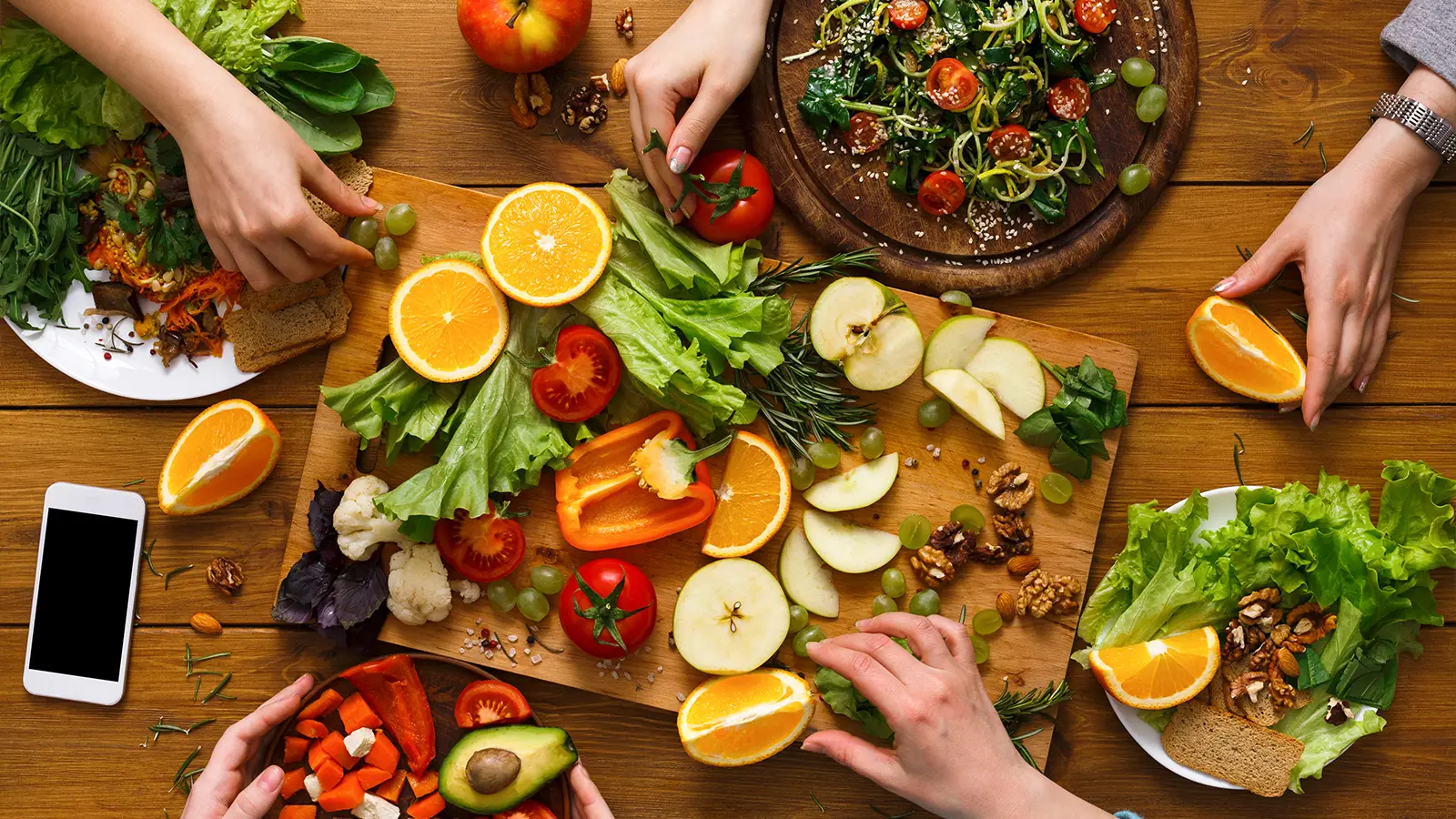
Plant-Based Lifestyle Myths Debunked: What You Need to Know

The plant-based lifestyle has become quite popular within the last decade, and more people are looking to consume less meat, focusing more on fruits, vegetables, grains, legumes, and plant-based alternatives. That said, there are a great number of myths and misconceptions around a plant-based lifestyle that might deter others from adapting, despite there being numerous health and environmental benefits to doing so.
In this article, we are going to debunk some of the most common myths about the plant-based lifestyle and shed light on the facts for better understanding of what this lifestyle truly means.
Myth 1: A Plant-Based Lifestyle Doesn’t Provide Enough Protein
One of the most resistant fallacies about a plant-based lifestyle is that, without meat, it is challenging, if not impossible, to get enough protein. This myth has been perpetuated for years by those genuinely unaware of the volume of plant foods rich in protein.
Fact
You can absolutely get enough protein on a plant-based diet. Plant-based sources of protein include beans, lentils, chickpeas, tofu, tempeh, quinoa, nuts, seeds, and whole grains. In fact, many plant-based proteins are rich in fiber, an added bonus for digestive health. Eating a variety of different plant foods is a pretty easy way to achieve your daily protein needs.
Besides, most of them overestimate their protein needs. The recommended daily intake is about 0.8 grams of protein per kilogram of body weight, something easily achievable on a well-balanced plant-based diet.
Myth 2: A Plant-Based Diet Lacks Essential Nutrients
Another common myth taken to be the truth is that a plant-based lifestyle sets up an individual to become nutrient-deficient due to vitamins and minerals such as B12, iron, calcium, and omega-3 fatty acids. Most men believe that a plant-based diet does not offer one with all the needed nutrients in terms of overall health.
Fact
While it is true that these nutrients are rather abundant in animal products, with a little ingenuity, it is possible to meet your nutritional needs from plant-based sources or supplements. Here is how it could be done:
- Vitamin B12: Since the primary sources of B12 are animal-related foods, those on a plant-based diet may supplement with vitamin B12 or utilize fortified foods such as plant-based milk, cereals, and nutritional yeast.
- Iron: Plant-based sources of iron include lentils, spinach, chickpeas, and one of the best sources, quinoa. Increase absorption by consuming iron-heavy foods with those high in vitamin C-citrus fruits, tomatoes, etc.
- Calcium: Excellent sources of calcium include, but are not limited to, kale, collard green, fortified plant milks, tofu, and almonds. You do not need to get this very important nutrient from only dairy items.
- Omega-3 Fatty Acids: While fish is one of the most common sources of omega-3s, plant-based options include flaxseeds, chia seeds, walnuts, and algae-based supplements that can provide the necessary fatty acids for brain and heart health.
Myth 3: A Plant-Based Diet is too Expensive
Most people feel financially that they are beyond the reach of a plant-based lifestyle. Immediately, they think about all those expensive specialty products: meat substitutes and organic produce that give the impression of going plant-based for those with deep pockets.
Fact
One can have a plant-based diet as inexpensively, or even less expensively, than one that includes meat and animal products. Rice, beans, lentils, oats, potatoes, and any seasonal vegetables are among the cheapest staples around. By focusing on whole, unprocessed plant-based foods, you can easily eat healthy without breaking the bank.
Specialty vegan products and meat substitutes tend to be quite expensive of course, but these are not at all needed for a healthy plant-based diet. Meal planning based on wholesome but less-expensive foods will help you save even more. The nutrition will be exceptional.
Myth 4: A Plant-Based Diet is Not Filling

There is a general belief that without meat, meals are tasteless, unsatisfying, and leave the individual feeling starved. This may be the reason people are hesitant to try plant-based diets; they don’t believe they’ll be full or satisfied.
Fact
Plant-based meals can be every bit as satisfying—if not more so—than meals that include meat. The trick is ensuring a balance of macronutrients in every meal: carbs, proteins, and fats. Dishes that marry plant-based proteins-beans or tofu, say-with healthy fats like avocado or nuts and complex carbohydrates such as quinoa or sweet potato-are satisfying and nutritious.
So, with more people embracing plant-based eating, yes, recipes come in, spices, flavor amalgamation-things that make plant-based meals exciting and full of flavor. Everything from a hearty curry to grain bowls to delicious burgers and tacos made out of vegetables and legumes-the list goes on. By far and large, you’re not going to be deprived on a plant-based diet.
Myth 5: Plant-Based Eating is Complicated and Time-Consuming
It seems to be a common misconception that preparing plant-based meals requires a lot of complication or time, factors quite unrealistic with busy lifestyles.
Fact
While a dietary change does involve some adjustment, a plant-based lifestyle does not have to be burdensome at all. Actually, there are many quick and easy-to-prepare plant-based meals. With just a little planning, you can make delectable meals in minutes using a few staples like canned beans, whole grains, and fresh or frozen vegetables.
You can always make it simpler by meal-prepping over the weekend, using time-saving gadgets such as a slow cooker or pressure cooker, or having staple ingredients in the house. Moreover, you can easily find on the web many quick plant-based recipes that take less than 30 minutes to make, proving that healthy eating does not necessarily need lots of your time.
Myth 6: A Plant-Based Lifestyle is Too Extreme
There’s this assumption that making the transition to plant-based is too extreme or too constricting. In other words, some are fearful they will have to renounce all foods they enjoy or they can never enjoy a meal out with friends and family.
Fact
A plant-based lifestyle does not need to be an all-or-nothing approach; a person can be very flexible. Many people start by reducing animal product intake and increasing plant-based foods, thus setting up an easy transition. You do not have to go 100% plant-based overnight to reap the benefits.
Besides, plant-based eating is not a deprivation. There are plenty of tasty plant-based stand-ins for the classic comfort foods: pizza, pasta, and burgers. And restaurants are catering to their plant-based customers, offering items that appeal to different tastes.
Conclusion
All sorts of myths are associated with the plant-based lifestyle, and these myths are what needlessly confuse and quell many into not making the change. As we have seen, though, a plant-based diet can be complete in its nutritional profile, moderately priced, and full of flavor and satisfaction. Whether your interest is in health improvement, lessening your impact on the environment, or taking up more ethical eating patterns, a plant-based lifestyle is a positive and sustainable choice.
By merely understanding the facts and releasing some of these common misconceptions, one can confidently lead a plant-based lifestyle that suits one’s needs and preferences.
Read also: How Practicing Mindfulness Can Enhance Your Physical and Mental Well-being