The Rise of Streaming Services: How We Watch TV Has Changed
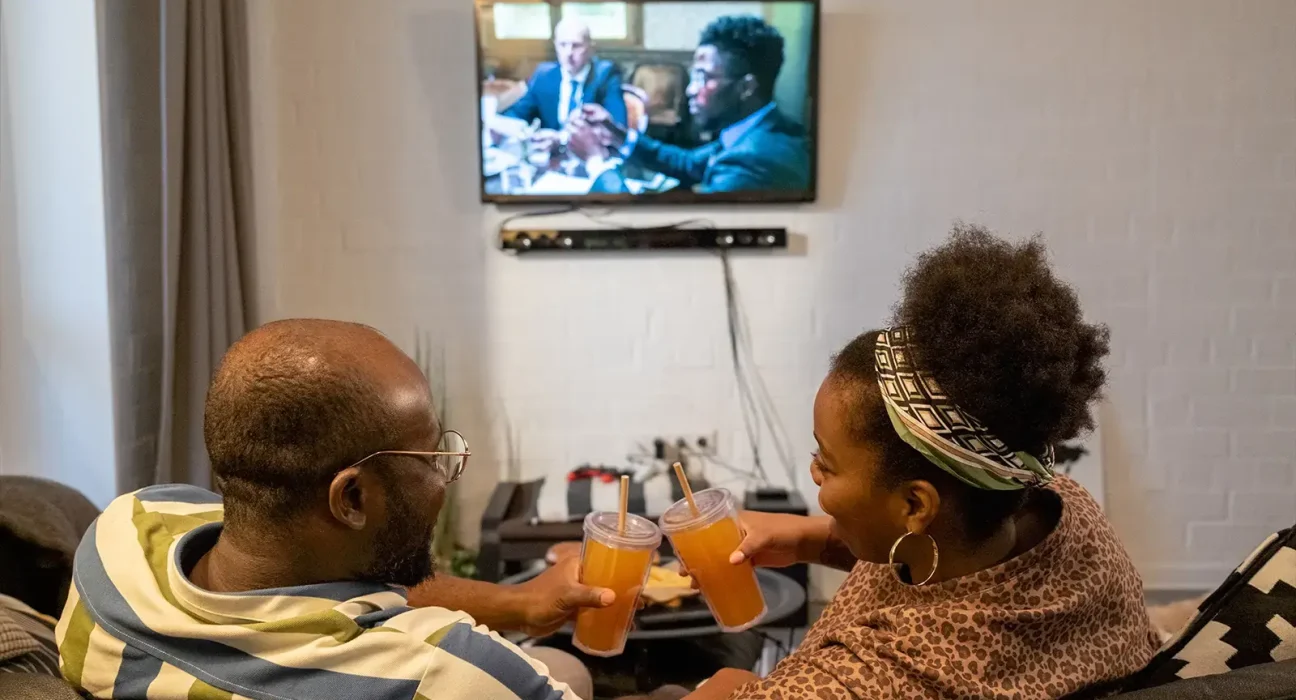
In recent years, live-streaming services have really taken over the entertainment world and changed the way we watch TV and movies. Long gone are the days where everyone had to sit down at a specific time to watch a favorite show; nowadays, because of digital streaming services, we can watch what we want, when we want. This transition had quite an influence on trends in TV, audience behavior, and the future of digital entertainment. Let’s get into how streaming services disrupted the way we watch television from its very inception, and what it really means for the future of entertainment.
1. Streaming Services-Inception
The early 2000s launched streaming services. Netflix was one of the few that switched from physical DVDs to online streaming. In its early days, Netflix, among other companies of this nature, was focused on DVD rentals: a customer would rent movies and have them mailed to their location. With improved internet technology came increased demand for instant access to content, so Netflix launched its streaming service in 2007.
- Pioneers: Netflix, Hulu, and Amazon Prime Video were among the very first to provide streaming services, enabling people to view a library of TV shows and movies from the comfort of their own homes.
- Shifting Audience Preferences: Streaming services finally gave the audience the flexibility to watch their favorite shows on demand, as opposed to following the rigid schedules of cable TV. Audiences now had choices both in terms of what they could watch and when, and that was the start of shifting trends in TV viewing.
The early success of these platforms paved the way for the expansion of the streaming industry and gave way to newer entrants that were going to break the hitherto unbeatable television trends.
2. The Binge-Watching Phenomenon
Probably one of the biggest consequences of streaming services has to do with the binge-watching phenomenon. Since full series seasons are released in their entirety, viewers can easily watch multiple episodes or even the whole series in a single sitting.
- Binge-watching: This refers to the marathon viewing of several episodes or seasons in a serial rapidly. As soon as the streamers started releasing whole seasons at one go, creating an “all-you-can-watch” environment, this habit caught on.
- Psychological Appeal: Binge-watching makes it easier to get lost in a story without interruption. It also feels relatively rewarding because there is no need to wait a whole week until the continuation of an episode, thereby easily keeping up with where the story has been.
- Impact on Production: Now, the streamers produce shows with the aspect of binge-watching in mind, where often the episodes are constructed in a way that each leads directly into the next. That has resulted in some of the most interesting points of serialized storytelling and fewer “filler” episodes, raising the bar on the excellence of the series.
Binge-watching habits have shaped the form of creation, distribution, and consumption in such a way that it provides experiences far more engaging and immersive.
3. Original Content and the Streaming War
The competition among the channels grew when these streaming services started. However, this has more recently involved an investment in original content to attract subscribers-what many branded a “streaming war.”.
- Original Programming: Netflix was among the first to achieve awards attention, critical acclaim, and subscriber growth with its House of Cards and Orange Is the New Black. Since then, other services have followed suit, producing award-winning series, movies, and documentaries exclusive to their service.
- Original Content Diversity: The streaming services, through original content, could showcase more genres and ways of storytelling, with even a wider range of casts. This has led to more representation in the world of digital entertainment and gave audiences stories they might not see on traditional TV networks.
- Streaming Competition: Nowadays, Netflix is being rivaled by Amazon Prime Video, Disney+, Hulu, HBO Max, and Apple TV+, with all these services gunning for subscribers through the continuous release of premium exclusive content. It’s this kind of competition that has more or less driven the hypergrowth of digital entertainment, raising the bar across the entire production quality spectrum of the industry.
The investment in original content has simultaneously expanded the types of stories available to the viewer and raised expectations for creativity and quality for TV and film.
4. Cord-Cutting and the Decline of Cable TV
The rise of the streaming services has contributed to the significant trend now referred to as “cord-cutting,” where viewers cancel traditional subscriptions to cable or satellite TV service providers in favor of streaming services.
What is Cord-Cutting? ‘Cord-cutting’ refers to the severing of ties with cable television, either for reasons of economizing or perhaps moving on to more flexible internet services available. Streaming platforms are inexpensive compared to traditional cable with packages which allow the viewers to configure their viewing.
- Declining Cable Subscription: Many people subscribe to lower costs and convenience entailed in streaming; therefore, there has been a high decline in cable subscriptions in recent years. This really forced traditional TV networks to change; some launch their own streaming services or offer online access to live broadcasts.
- The Rise of Bundling Streaming Services: In order to provide the same type of variety as cable, some companies have begun bundling services together in which users can subscribe to multiple platforms at a discounted rate. For example, Disney provides a bundle for Disney+, Hulu, and ESPN+ to provide more variety for users. Cord-cutting accelerated the decline of traditional cable, pushing more people toward digital entertainment, thereby changing the landscape of the TV industry.
5. Impact on TV Trends and Viewer Behaviour
Streaming services have not only changed a lot in how we access content but also in how we interact with and actually think about television.
- More Personalized Viewing Experiences: streaming services make use of algorithms that provide recommendations based on the viewing history of a user; thus, Streaming services come up with more personalized experiences. This is reflected in personalized viewing, which as a result, users can discover shows and movies that better fit their taste.
- Viewers’ Control: Streaming enables viewers to have full control over everything, from when they watch to the speed at which they consume a series. This has made viewing more flexible and viewer-oriented, unlike the inflexible scheduling of traditional TV.
- Social Impact of Media: Steaming and social media go hand in hand, especially in a world where so many viewers are discussing and sharing content online. Shows can trend in social media, having a cult following, further driving popularity and encouraging the platforms to invest in similar types of content.
This new trend in viewing behavior has changed what was once a very passive activity, that of watching TV, into an active, social, and highly personalized experience-one that a digital generation expects.
6. Streaming and the Future of Digital Entertainment
The rise of streaming services has hailed a set of discussions regarding the future of digital entertainment in light of upcoming new technologies.
- Interactive Content: Some platforms, like Netflix, have toyed with interactive content that enables users to make choices for the storyline. Shows such as Black Mirror: Bandersnatch pioneered this format and gave an interactive experience that may well become increasingly popular in the near future.
- VR and AR Advancements: Both VR and AR applied to streaming provide quite interesting perspectives, and some companies work on making entertainment more immersive. Virtual concerts and augmented reality-enhanced shows might soon become a part of your common streaming experience.
- Global Growth and Diverse Content: The streaming services have expanded globally, and the platforms have invested in content that would appeal to a variety of cultures. Such a global approach opens up more significant reach and exposes international stories to the mainstream, enriching further the variety that is on offer.
In the years to come, the interactive and immersive elements of this media will probably remain highly evolutive as the streaming services keep pushing the limits with which traditional television was accustomed to.
Conclusion
Streaming services have revolutionized the way people watch TV and movies, affording viewers unprecedented control and access to a whole world of content. Binge-watching, original programming, cord-cutting, and personalized recommendations are just several of the ways streaming has flipped the script on the way we used to watch television. And with the streamers’ innovations in development, there is every reason to believe that very soon, such development will usher in much fanfare in the world of digital entertainment.
Streaming services have made TV more accessible, diverse, and flexible. In the light of these changes in viewer preferences, traditional networks have to extend their functionality. Entertainment will continue being personal and interactive in the future, and globalization will be complete. The future of entertainment purports to show how this incredible growth in streaming continues to change the face of entertainment. In original content that is innovative and groundbreaking or through avant-garde interactions, it is quite likely that streaming services will continue to define and enhance the experience of entertainment for many years to come.
Read also: How Practicing Mindfulness Can Enhance Your Physical and Mental Well-being