The Power of Outdoor Living: How Nature Improves Your Well-being
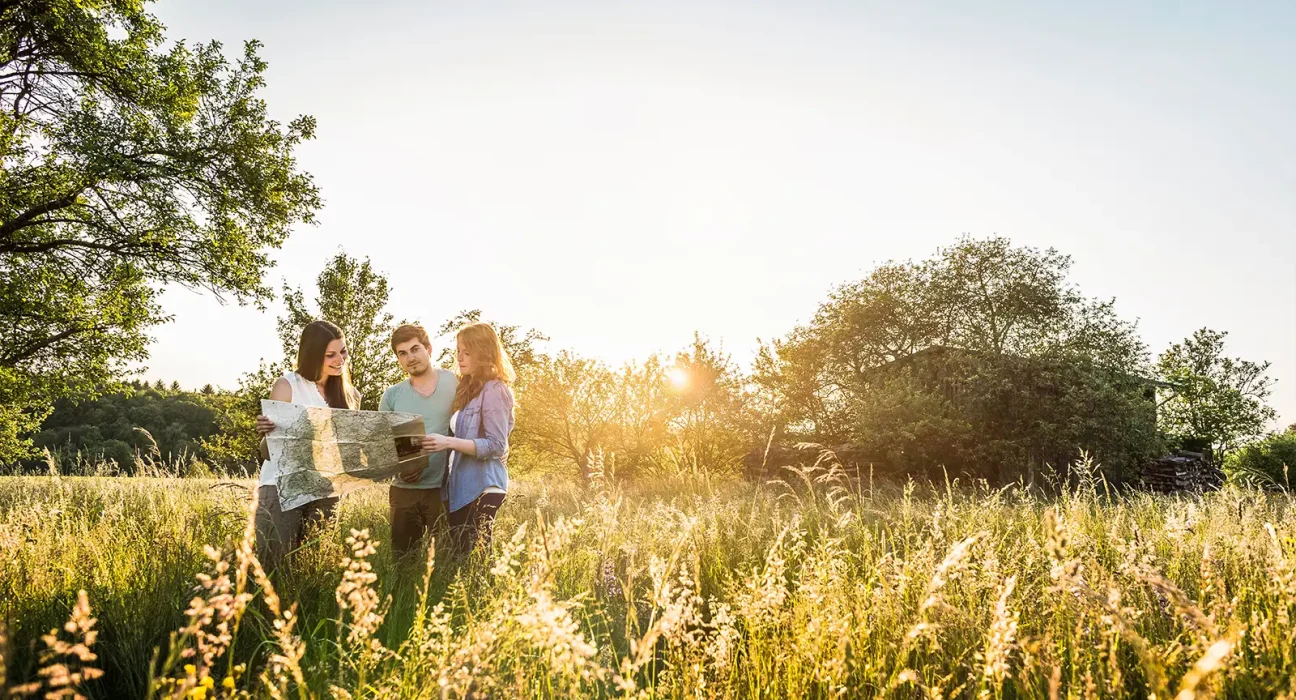
Generally speaking, in today’s world, which is increasingly dominated by screens, technology, and urbanization, it is rather easy to forget both the simple and powerful time-worthiness of spending time outdoors. However, outdoor living-from taking walks in a park, gardening in your backyard, to spending weekends camping-has benefits far beyond leisure. As a matter of fact, research has identified the very fact that contact with nature has effects on physical and mental health. Outdoor living can help ease stress, improve mood and physical fitness, and nourish a deeper sense of well-being. In this article, we look into the myriad ways outdoor living improves life and just why taking time for nature is critical to a balanced, healthy lifestyle.
The Physical Health Benefits of Outdoor Living
Outdoor living isn’t just about appreciating the beauty of nature but comes with real physical health benefits. Hiking, cycling, gardening, or simply walking outdoors guarantees fitness and a general feeling of well-being. Some key physical health benefits derived from outdoor living are highlighted below:
- Increases Physical Activity: You tend to be more physically active when outdoors. Whether it involves hiking in the woods or simply a stroll through your neighborhood, outdoor living will encourage you to move around. Regular physical activities improve cardiovascular health, increase muscular strength, and maintain weight.
- Natural Sunlight Exposure: One of the major benefits of outdoor living is getting exposure to natural sunlight, which is crucial for keeping your Vitamin D levels maintained. Vitamin D is crucial for many bodily functions that range from bone health and immune function to mood stability. As few as 10-30 minutes per day of sun can offer enough doses for your body to produce this necessary nutrient-which is particularly helpful if you are one of those indoorsy people.
- Better Sleep Patterns: Time outdoors, especially during the morning hours, helps your body regulate its natural circadian rhythm. The exposure to natural light guides your body on when it’s time to wake up and sleep. This therefore settles with improved sleeping qualities, something very key toward one’s well-being.
- Enhanced Immune Function: The outdoors can help toughen your immune systems. Fresh air and physical activity improve circulation, giving a boost to the immune function, making you resilient to disease. Besides, natural settings expose one to beneficial microorganisms that may serve in gut and immune health.
Mental and Emotional Benefits of Outdoor Living
The psychological and emotional benefits of outdoor living can be just as important as the physical. Given the frenetic pace of today’s world, the need to connect with nature has more possibility of being a powerful antidote to stress, anxiety, and depression. Here is how outdoor living positively impacts your mental and emotional well-being:
- Reduces Stress and Anxiety: There is also the added advantage, and rather well-documented, that outdoor living works to reduce levels of stress. Spending time in green spaces can lower cortisol levels-the body’s natural stress hormone-and foster feelings of relaxation. The colors and sounds of nature soothe the brain to dissipate anxious and tense thoughts.
- Improves Mood and Reduces Depression: Similarly, studies have shown that being outdoors improves mood and mental health because of fresh air. Sunlight increases serotonin release from the brain, which is related to feelings of happiness and well-being. Moreover, physical activities outdoors may be walking or jogging, which triggers the release of endorphins, usually referred to as natural mood enhancers. In cases of depression, being outside will help people to be able to look at life in an optimistic sense and lighten their burden.
- Improves Concentration and Cognition: Research indicates that living outdoors can improve concentration, memory, and overall cognition. Being in nature offers a restorative effect on the brain from the overstimulation caused by constant screen time and multitasking. A simple walk in the park or time spent in a setting with nature can revitalize the mind, build better concentration, and even improve creativity. This is especially good for children and adults alike, as it makes up a more natural alternative treatment for symptoms associated with ADHD and mental fatigue.
- Encourages Mindfulness and Emotional Balance: Being in nature encourages mindfulness, which means it keeps a person very present in the here and now. Such exposure to the views, sounds, and odors of the outdoors enables you to step away from life’s cares and worries and pay attention to what is now. This can lead to more emotional balance and an increased positive outlook, helping you feel more grounded and connected to the world around you.
Social and Relational Benefits of Outdoor Living
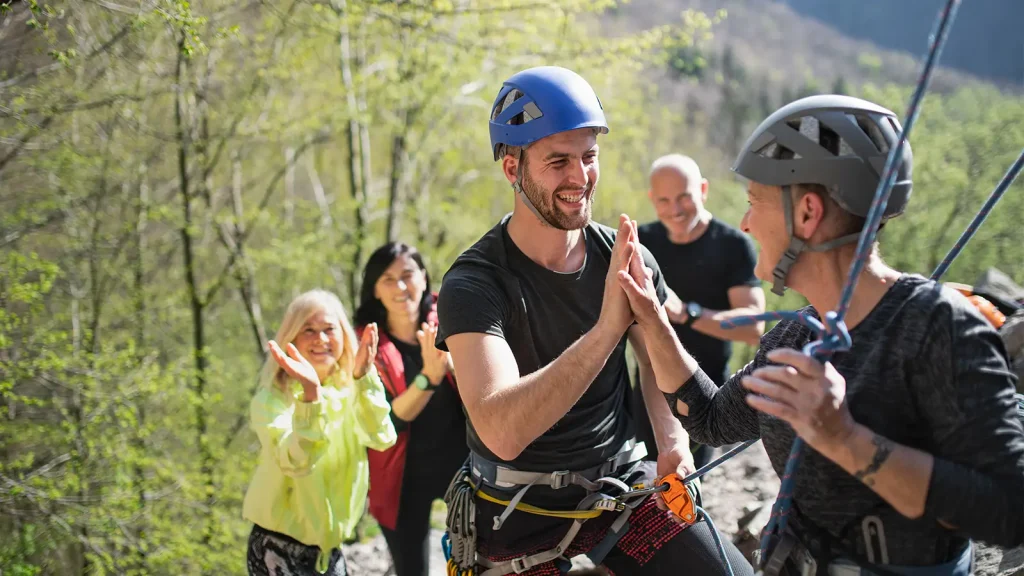
Besides providing physical and mental health benefits, outdoor living could also yield better socialization and relationships. Here’s how spending time outdoors can improve your social well-being:
- Strengthens Family Bonds: Outdoor living does indeed facilitate bonding among the members of a family, hence is beneficial for a family. Be it a picnic in the park, a family hike, or an afternoon spent gardening, such shared activities will surely nurture closer relationships within a family and leave lasting memories. It also provides ample opportunity to bring about an improvement in communicating and cooperating, especially with regard to camping and group sports.
- Encourages Community Engagement: The outdoors mostly makes one interact more with others in the neighborhood and community. Outdoor activities, events, visits to parks, or affiliations with nature groups contribute to developing a sense of contact and bonding. Interactions with people over nature bring positive social contact and friendships.
- Environmental Awareness: The process of spending more time outside allows people to be inspired by the natural world and develop a much greater appreciation for it, which encourages them to live an environmentally friendly life. This often leads to actions in the best interest of the environment: recycling, conservation efforts, and other sustainable initiatives. By connecting with nature, a person will feel more inclined to protect it, which can breed a sense of collectiveness, purpose, and environmental stewardship.
How to Live More Outdoors
Keeping in mind the many benefits of outdoor living, one might be curious how to fit more time in nature into the routine. Here are a few easy ways to make outdoor living just a normal part of your life:
- Start Small: You do not need to plan a weekend of camping to enjoy outdoor living. You can begin with simple things like taking a walk around your neighborhood, visiting the nearby park, or just sitting in your backyard. It is important to take the time for nature-even if it is small.
- Create Outdoor Spaces at Home: If one has a backyard, a balcony, or a garden, he/she can create space there where one can easily hang out, sit, and relax in the evening. You can add comfortable seating, flowers, herbs, or other preferred plants to build a peaceful surrounding to retire after a day’s work.
- Plan a Regular Outdoors Schedule: It could be hiking, cycling, or even yoga; whatever it may be, make sure it is outdoors. Set aside some time each week for adventure outdoors, whether you are alone or with friends and family.
- Unplug and Be Present: When outdoors, try to unplug from all your devices and be present with it. Take time to observe, listen to nature, and enjoy the beauty that surrounds you. This mindful approach toward outdoor living will enable you to reap all the benefits of connecting with nature.
Conclusion
Outdoor living provides many benefits associated with great physical health, improved mental outlooks, and quality social time. Time carved out to make contact with nature, you will find, offers stress reduction, improves moods, and allows a deeper sense of overall well-being. Be it the simple walk in the park or a weekend with camping, outdoor living can indeed bring one to a healthier and happier life. So step out, take a fresh breath of air, and begin your powerful outdoor living today!
Read also: How Practicing Mindfulness Can Enhance Your Physical and Mental Well-being