How to Find Your Art Style: Tips for Developing Your Unique Voice
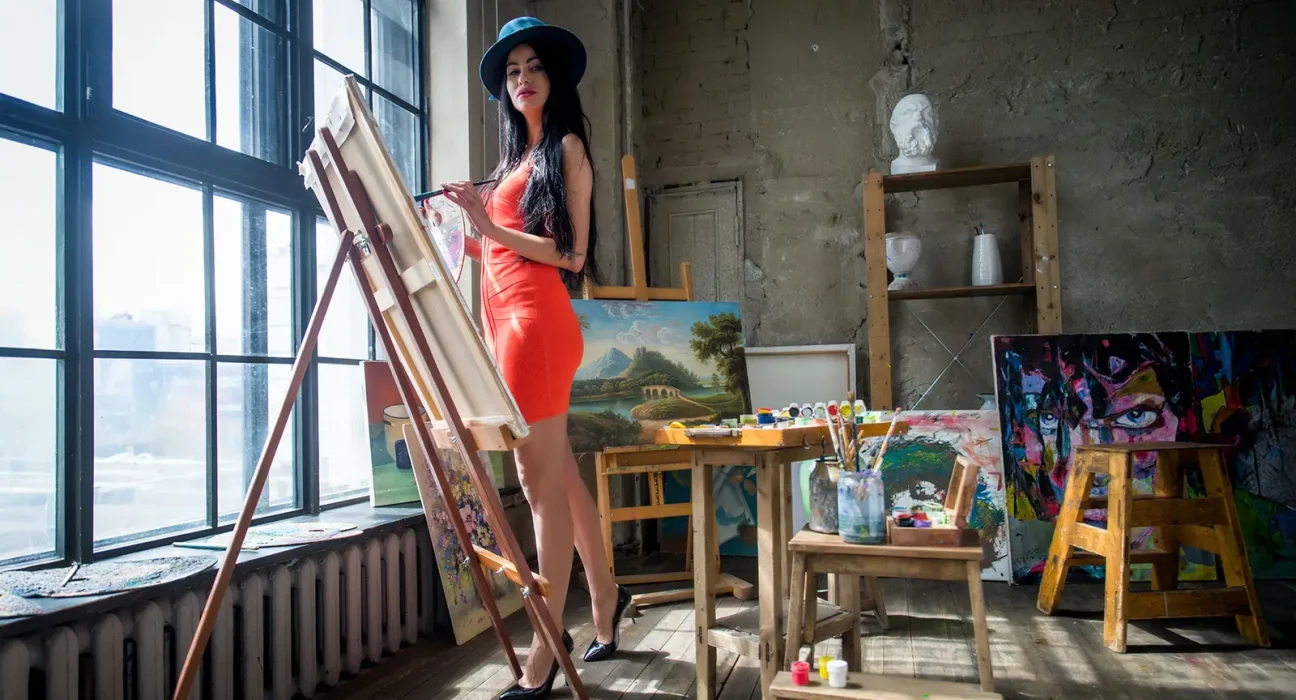
This is something that every artist, regardless of skill level, wants to achieve – to have a special art voice, which would make their artwork easily recognizable and personal. But how does one discover one’s art style? The process of identifying your art inspiration, and how you want to express yourself artistically is a gradual one that can be quite a challenge at times.
Your art style is your reflection of your personality, techniques, and ideas you have learned from different sources. It changes with the passage of time as you learn new things and improve your skills. In this article, we are going to explain how to identify your art style, get your art inspiration, and develop your own artwork voice.
1. What is an Art Style? Why It’s Important to Understand It
Before you start, there is one term that you should understand – what is an art style.
An art style can be defined as the specific way through which an artist develops his or her work. It includes:
✔ The use of lines, colors, and textures that you prefer
✔ The objects and concepts you like drawing or painting
✔ The arrangement and the view you use in your artwork
✔ Other emotions or message that you want to pass through your art piece.
Your art voice is the part of your art that makes it yours. It is the combination of the techniques that you use, the techniques that you learn from other artists, and your own creative instincts.
2. Different Art Styles to Choose for Your Artwork
If you are still wondering how to discover your art style, then you should start looking at the various styles available.
A. Various Kinds of Artistic Styles
Explore different genres and techniques, such as:
- Realism – This is the highest level of realism where everything is drawn to the actual size and looks exactly like the real world.
- Impressionism – This is the use of paints that are applied in a loose manner to create the effect of movement and light.
- Surrealism – The surrealist paintings are those that have a dream like or almost a hallucinatory vision of objects or figures.
- Minimalism – Minimalist artworks are those that have simplified structures but are able to convey their message effectively.
- Cartoon & Illustrative – It uses exaggerated forms and can produce expressive characters in the drawing or painting.
B. Learn to Identify What You Like.
When looking at other artists’ work, ask yourself:
– What kind of art interests you?
– What color gamut do you like best: bright or muted?
– What is your preference between abstract and photo-realism artwork?
Create a collection of pieces that speak to you and inspire you, whether on a Pinterest or Instagram page or in a physical notebook.
3. How to Develop Your Artistic Talent and Skills: Techniques and Tools
The only way to discover your art style is to actually do the art.
A. Different Mediums to Explore
Experiment with:
✔ Paint – Acrylic, watercolor or oil
✔ Digital – Using tablets and software applications including Procreate or Photoshop.
✔ Draw – Ink, graphite, and charcoal are some of the materials used in sketching.
✔ Mixed media to explore new and different ways of creating art.
B. Techniques – Learn to Experiment with
Learn how to apply paint, mix colors or create textures in new ways. You might prefer the bold brushstrokes, the fine details, or the geometric shapes.
C. Ways to Step Out of Your Comfort Zone
If you usually draw portraits, try landscapes. If you always work digitally, switch to traditional mediums. It is only from outside the comfort zone that growth is possible!
4. Developing a Routine for Creating Artwork.
To build your unique art voice, it is important to make creating a daily or weekly routine.
A. Set a Schedule
It can be 10 minutes of sketching a day, or one finished piece a week, but consistent practice is beneficial.
B. Keep a Sketchbook
Get a sketchbook and use it to develop ideas without the pressure of coming up with something great. Quick studies, doodles, or concept ideas.
C. Draw Your Own Work
Choose an older piece and try to redraw it in different styles, which can help to reveal what you like naturally.
5. Discovering the Elements of Your Art.
Over time, you will discover certain tendencies in your artwork. They may well be your unique art voice.
A. Review Past Work
Look at 10-15 of your last pieces and ask:
✔ What color palettes do I use most often?
✔ Are my lines more solid and defined, or softer and more delicate?
✔ Do I like to draw or paint realistically, or more abstractly?
B. Recognize Repeating Motifs
A lot of times, artists include symbols, shapes or themes in their work without even realizing it. These elements assist in defining your art style.
6. Natural Development of Your Art Style
Finding your art style is not a decision that you make once but something that you develop over time.
A. Do Not Copy, But Learn from Others
It is acceptable to study and be inspired by other artists, but you should not try to mimic their style too closely. Rather, you should determine what it is about those elements that appeals to you and how you can incorporate those elements into your own work.
B. Be Open to Change
Your style will change as you try out new techniques and gain experience. There is no need to limit yourself—let your creativity flow freely.
7. Get Feedback from Others and Connect with Other Artists
It can be helpful to have a different point of view on what others see in your work.
A. Share Your Work Online
Social networking sites like Instagram, ArtStation, and Behance are the platform that allows you to exhibit your work and get helpful comments.
B. Join Art Communities
Interaction with other artists on online forums, social media groups or art clubs in your area will help to boost your motivation and get more art ideas.
C. Learn from Critique
It is detrimental to be discouraged by criticism, it is better to use it as a way of improving your unique art voice.
8. Stay Inspired and Never Stop Learning
Creativity is often limited, but having ideas that inspire you helps maintain your artistic growth.
A. Visit Museums & Exhibitions
Seeing art in person can give you new ideas and help you appreciate different techniques on a deeper level.
B. Take Online Art Courses
You can also get free and paid tutorials from websites like Skillshare, Udemy, and YouTube.
C. Read Art Books & Magazines
Books on color theory, composition and art history are good for learning more about your artistic knowledge.
9. Give Your Art Some Meaning
Your art style should not only be based on the technique but also should contain some message or emotional perception.
A. Define Your Artistic Purpose
Ask yourself:
– What do I want my art to express?
– How can I describe my work?
– In what way is the culture, heritage, or beliefs that I bring into play defining my creativity?
B. Create Personal Projects
Work on art that is important to you. This helps to establish your unique art voice and makes your work more distinctive.
10. Learn to Trust the Process and Most of All, Have Fun
The most significant part of the development of your art style is the fun and the trust in your artistic instincts.
A. Learn to Love the Imperfect
It will not be the best first attempt, but that is okay! Improvement is through consistent and experimental work.
B. Keep Exploring & Growing
Art is for life. Your style will change and develop, but the key is to always remain true to what interests and inspires you.
Conclusion
Discovering your art style is a very personal and dynamic process. You will be able to pinpoint your unique art voice over time through practice, experimentation, and self-assessment.
Remember:
- Be patient with yourself.
- Keep experimenting and learning.
- Stay inspired and create from the heart.
If you follow these steps, you will not only discover your art style but also find your own artistic identity. Keep creating and let your artistic journey be!