Art Therapy: How Creative Expression Benefits Mental Health
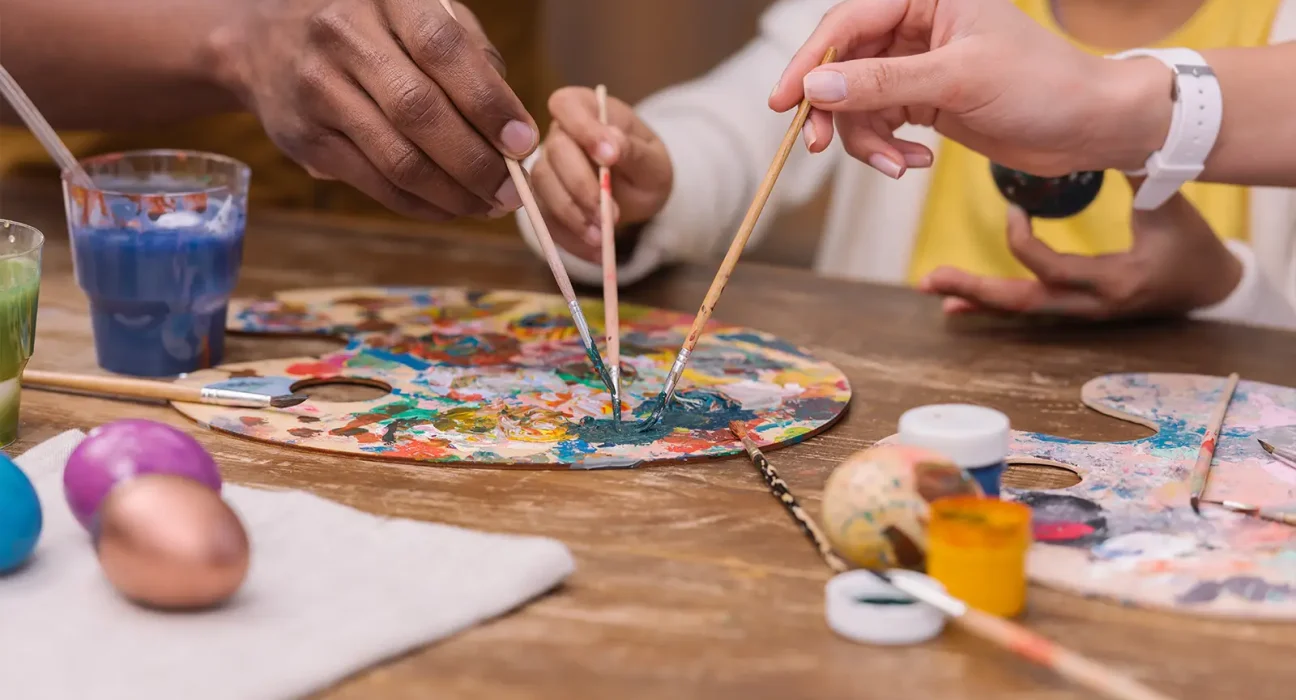
Art therapy has emerged to be much talked about, especially as a force for recuperative mental health. Combining creative expression with therapeutic techniques, it allows people to explore their feelings, reduce stress, and obtain coping mechanisms. This newest form of treatment for mental health offers great benefits from painting, drawing, sculpting, and so on, to all age groups.
In this article, we’ll delve into the principles of art therapy, the science behind its effectiveness, and the mental health benefits of creative expression.
What is Art Therapy?
Art therapy is a form of psychotherapy that integrates artistic activities with psychological counseling. Guided by a trained art therapist, participants use creative mediums to express thoughts and emotions that might be difficult to articulate verbally.
Art therapy is based on the belief that creative expression has the power to enable people to:
– Process complex emotions.
– Improve self-awareness.
– Develop healthier coping strategies.
Art therapy treats a wide range of psychological conditions, from anxiety and depression to PTSD and stress.
The Science Behind Art Therapy
Neuroscience and psychological studies support the effectiveness of art therapy. Here’s how creative expression affects mental health:
1. Engaging the Brain: Art activities activate different parts of the brain, fostering better emotional regulation and cognitive function.
2. Reducing Cortisol Levels: Several studies have demonstrated that creative tasks reduce cortisol, which is the hormone linked with stress.
3. Increased Production of Dopamine: Making art has been linked to the release of dopamine, further promoting feelings of pleasure and accomplishment.
These physiological responses are a calming and therapeutic process; hence, art therapy can be an excellent modality in balancing mental health.
Art Therapy Mental Health Benefits
Art therapy offers a wide range of mental health benefits, thus providing an excellent resource for individuals who want to be emotionally fit.
1. Stress Reduction
Creative expression serves as a healthy outlet for stress. Creating art calms the mind, diverts one’s attention from worries, and relaxes them. Such activities as painting or coloring let a person get into a meditative state-no tension, no anxiety.
2. Better Expression of Emotions
For most people, putting their emotions into words is difficult. Art therapy is a non-verbal means of expression of feelings, which is particularly helpful for those experiencing trauma or any form of emotional blockages.
3. More Self-Awareness
Art therapy promotes self-reflection. Analyzing one’s art helps the participants understand their feelings, thoughts, and behaviors on a deeper level, thus understanding themselves better.
4. Building Resilience
The making of art builds resilience as it teaches the person how to work through a problem. This is well elaborated by the fact that finishing a particularly challenging piece can be used as a metaphor for overcoming adversities in life.
5. Increased Self-Esteem
This process of creation of something unique can boast confidence and self-esteem. Art therapy allows one to acknowledge his or her abilities and feel the sense of achievement.
6. Improved Coping Skills
Art therapists help their clients devise novel ways of dealing with anxiety, depression, or any other psychological issues in the session. These coping skills extend beyond the walls of a treatment room and benefit life as a whole.
Whom Is Art Therapy Effective For?
Due to its flexibilities, art therapy can be used for a number of different groups, including:
- Children: Helps them get in touch with emotions that might not be described with words.
- Teenagers: Supports them through emotional regulation at a crucial age for development and identity.
- Adults: It relieves their stress and emotional tension since they either have to go to work or take care of the household.
- Seniors: Cognitive stimulation and emotional expression are especially recommended in cases of memory conditions, such as dementia.
Art therapy works well in the treatment of different subjects who suffer from any of the following conditions, including:
– PTSD
– Anxiety and depression
– Chronic illness or pain
– Autism spectrum disorders
Forms of Creative Expression in Art Therapy
Art therapies may include a broad range of activities, each targeted to meet individual needs and interests. Some of the more common creative forms used within therapy include the following:
1. Drawing and Painting: A way for clients to visually express their feelings and experiences.
2. Sculpting: Helps the client explore the three-dimensional depiction of feelings.
3. Collage Making: Assists in exploring self-expression with images, words, and textures.
4. Mandala Coloring: A meditative activity that promotes relaxation and focus.
5. Digital Art: Combines creativity with technology, offering a modern approach to therapy.
These activities are chosen based on the client’s comfort level and therapeutic goals.
How to Get Started with Art Therapy
If you’re interested in exploring art therapy, here are steps to get started:
1. Find a Certified Art Therapist: Reach out for professional practitioners credentialed either through AATA or at least with equivalent status in your geographical region.
2. Identify Your Objectives: Clearly state for yourself what you’d like to take away from this course of treatment-be it stress relief, an emotional outlet, or fortifying your personal resilient quotient.
3. Choose Your Medium: Find out what medium works for you.
4. Give Them a Safe Space: Designate a quiet, cozy place for them to practice their creativity.
5. Begin Small: Have them initiate the process with mere doodling or coloring and then work their way up to more involved projects.
Integrating Art Therapy into Your Daily Routine
Though these activities are best undertaken within a therapist-led format, you can certainly integrate bits of art therapy into your daily life as well. Here’s how:
– Keep a Visual Journal: Combine drawings and words in reflection on your daily thoughts and feelings.
– Practice Mindful Coloring: Take time out to color mandalas or intricate patterns as a way of de-stressing.
– Try D.I.Y. Art Projects: Painting, crafting, or sculpting done at home could be considered a form of self-care.
– Attend Art Classes: Enroll in workshops or community classes to improve your skills and meet other interested people.
By making art a regular part of your life, emotional balance can be better maintained and the mental health benefits continued.
The Role of the Art Therapist
An art therapist has an important role in guiding and supporting participants during the process. They:
– Offer a safe, non-judgmental environment for self-expression.
– Interpret the symbolism and meaning of creative pieces.
– Modify activities to meet specific mental health needs.
– Offer emotional support and constructive feedback.
Their expertise will ensure that each session is therapeutic and meets the client’s goals.
Conclusion
Art is an effective method to develop one’s mental health through active creation. It is an angry yet safe and transforming way to process emotions, reduce stress levels, and build resilience. Be it in a formal therapeutic setting or as part of your daily routine, art can become a source of healing and self-discovery.
Art therapy brings into view deeper mental health benefits through such creative activities as drawing, painting, or sculpting. Whether guided by a professional therapist or by oneself, one is free to embark on this fulfilling journey toward good mental health.
Start your creative journey today, and let the magic of art therapy transform your mental health for the better!