The Ultimate Guide to Heart-Healthy Diet Plans
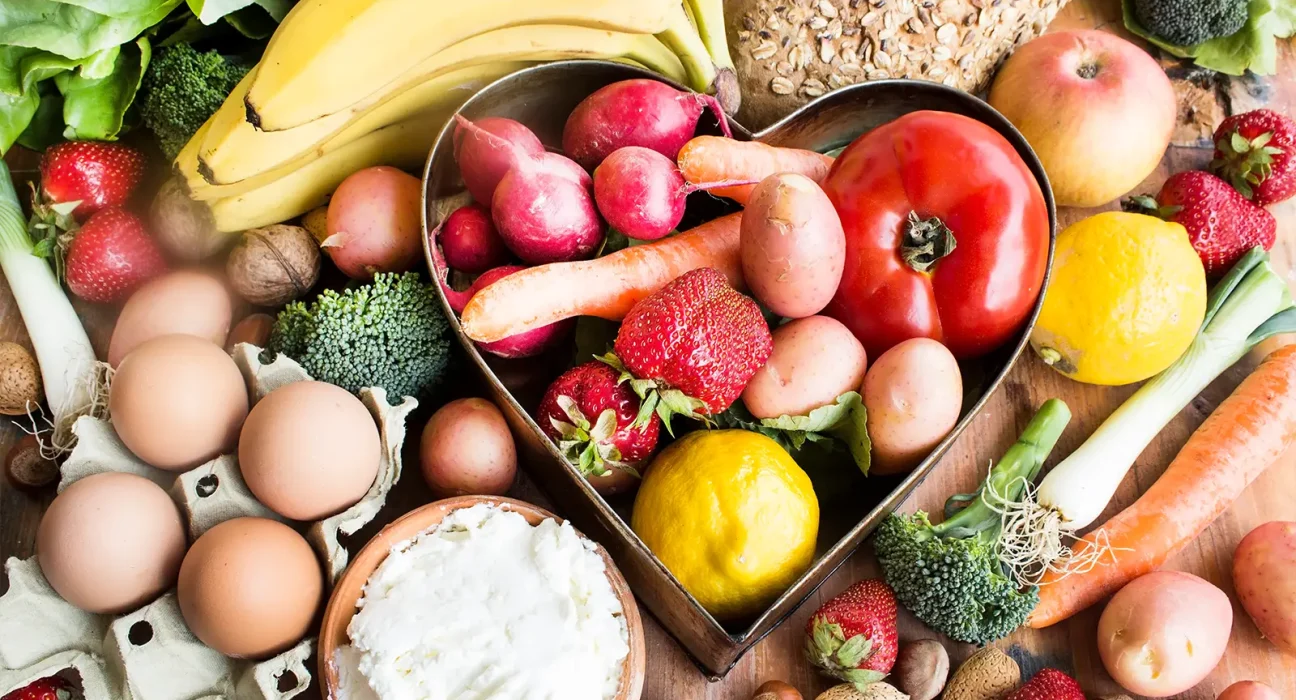
Living a lengthy active and vibrant life demands that you preserve your heart health at all costs. Heart disease stands as the worldwide leader in deaths so following a heart-healthy diet represents your most powerful prevention strategy. The following guide provides complete information about food impact on heart health along with step-by-step daily meal planning guidance.
Why a Heart-Healthy Diet Matters
The human body relies on your heart to function as its motor which distributes oxygen throughout organs and tissues. Food choices influence your blood pressure levels as well as your cholesterol amounts and your body’s inflammatory response and its effects on arterial health. People who consume diets rich in saturated fats together with trans fats and sodium and sugars face higher risks of developing several health issues including high blood pressure (hypertension) and high cholesterol (especially LDL which is the “bad” cholesterol) and obesity and type 2 diabetes and coronary artery disease and stroke.
A heart-healthy diet serves to benefit health by doing four main things:
- Lowers levels of LDL while raising levels of HDL cholesterol.
- Lowering blood pressure along with inflammation reduction
- Support healthy blood sugar levels
- Keep your weight at a healthy level
Key Components of a Heart-Healthy Diet
A heart-healthy diet requires no compromise of taste or satisfaction while you create your meal plan. These elements represent the core components to follow.
1. Plenty of Fruits and Vegetables
You should consume 5–10 daily servings of fruits and vegetables. Their fiber content together with vitamins and minerals and antioxidants helps both reduce inflammation and lower blood pressure.
Heart-smart picks:
- Berries (especially blueberries and strawberries)
- Leafy greens like spinach, kale, and Swiss chard
- Tomatoes, broccoli, bell peppers, and carrots
2. Whole Grains
The high fiber content of whole grains functions to decrease cholesterol levels and support blood vessel wellness.
Great choices include:
- Oats
- Brown rice
- Quinoa
- Barley
- Whole wheat bread and pasta
3. Healthy Fats
All fats are not dangerous to health. Monounsaturated and polyunsaturated fats have dual benefits of lowering LDL cholesterol and protecting heart function.
Good fat sources:
- Avocados
- Nuts and seeds (like almonds, chia, flaxseed)
- Olive oil
- Fatty fish (like salmon, sardines, mackerel)
4. Lean Protein
Select protein sources which are lean and limit your consumption of red meat.
Go-to options:
- Skinless poultry
- Legumes and beans
- Tofu and tempeh
- Eggs (in moderation)
5. Low Sodium Intake
High salt consumption leads to elevated blood pressure levels. Daily sodium consumption should not exceed 1,500 mg according to the AHA.
Tips:
- Preparing meals at home using herbs instead of salt
- Check labels for processed foods while avoiding them
- Rinse canned beans and vegetables
6. Limit Added Sugars
The consumption of excess sugar leads to weight gain along with inflammation in the body.
Avoid or minimize:
- Sugary drinks (soda, energy drinks)
- Sweets, pastries, and candies
- Sweetened cereals and flavored yogurts
Popular Heart-Healthy Diet Plans
The heart-friendly nature of different evidence-based diets offers various options to choose from when selecting an eating plan.
1. The Mediterranean Diet
The eating habits of Greece and Italy serve as the foundation for this diet which focuses on plant-based foods together with healthy fats and lean proteins.
Core principles:
- Every day you should consume fruits with vegetables along with whole grains.
- Weekly fish and poultry
- Main fat source consists of olive oil
- Red wine in moderation (optional)
Benefits:
The diet helps decrease cardiovascular disease and stroke risk while supporting brain health and extending life expectancy.
2. DASH Diet (Dietary Approaches to Stop Hypertension)
The DASH diet functions to reduce blood pressure through its emphasis on fruits, vegetables and low-fat dairy products.
Features:
- Low in sodium and saturated fat
- Includes nuts, legumes, lean proteins
- High in potassium, magnesium, and calcium
Benefits:
- Lowers blood pressure
- Reduces risk of kidney disease
3. Flexitarian Diet
This diet features plants as the main food source but occasional meat intake is acceptable. A person who seeks balance together with sustainability in their lifestyle would find this diet suitable.
Focus:
- Minimally processed foods
- Plant proteins, whole grains, fruits, veggies
- Occasional meat or fish
Benefits:
Heart health benefits from this diet plan while maintaining flexibility.
Sample 3-Day Heart-Healthy Meal Plan
You can begin your journey to healthy eating with this straightforward simple meal plan.
Day 1
- A bowl containing oatmeal with blueberries and flaxseed serves as the first breakfast of the day.
- The snack consists of apple slices paired with almond butter.
- A quinoa salad containing chickpeas together with cucumber tomato and olive oil serves as lunch.
- A handful of walnuts serve as the mid-day snack.
- The evening meal includes salmon that has been grilled while sweet potatoes are roasted and broccoli is steamed.
Day 2
- Greek yogurt combined with granola and fresh strawberries makes up the breakfast.
- The snack consists of hummus paired with carrot sticks.
- Lentil soup paired with whole-grain toast represents the lunch option.
- A pear serves as the mid-afternoon snack.
- The evening meal consists of stir-fried tofu paired with brown rice and vegetables.
Day 3
- The breakfast consists of whole-grain toast accompanied by poached egg and avocado.
- Bananas for snacks.
- The combination of turkey and spinach inside a wrap serves as lunch while a side salad completes the meal.
- Low-fat string cheese makes up the afternoon snack.
- Dinner consists of baked cod served alongside quinoa pilaf with sautéed kale.
Heart-Healthy Eating Tips
1. Read Nutrition Labels
Check the serving sizes together with sodium content along with sugar and saturated fat amounts.
2. Practice Portion Control
Consuming large amounts of healthy food can still result in weight gain. Use smaller plates and bowls.
3. Cook More at Home
The control of ingredients and portion sizes and sodium levels belongs to you. Create a new recipe collection that will bring enjoyment to your cooking process.
4. Stay Hydrated
The body requires water to execute all its processes and maintain fullness. Sugary beverages should be restricted.
5. Make Gradual Changes
Transforming your diet completely in one night is not a recommended approach. Choose one unhealthy behavior each day to substitute with something healthier.
What to Limit or Avoid
- Processed meats (bacon, sausage, deli meat)
- Deep-fried foods
- Refined carbs (white bread, pastries)
- Sugary beverages
- Excessive alcohol
- High-sodium frozen or canned meals
Supplements and Heart Health
Food takes precedence but certain heart-supporting supplements could be helpful for some people.
- Omega-3 fatty acids
- Coenzyme Q10 (CoQ10)
- Magnesium
- Plant sterols
It is necessary to obtain doctor approval before taking supplements especially when you take medications or have current health conditions.
Who Should Follow a Heart-Healthy Diet?
A heart-healthy eating plan serves all people beyond those with heart disease. But it’s particularly vital for:
- People with elevated cholesterol levels or hypertension
- People who have heart disease history running in their family.
- The diet serves people who have diabetes as well as those who want to stop heart disease from developing.
- The diet benefits adults aged 40 and older who wish to slow down cardiovascular decline.
Lifestyle Factors That Support Heart Health
The dietary approach forms one aspect of the total solution. The greatest outcomes result from combining dietary choices with these additional factors:
- The recommended weekly exercise amount is 150 minutes of moderate activity.
- Stress management techniques include mindfulness and yoga as well as deep breathing exercises.
- A person should get between 7 and 9 hours of sleep per night to maintain proper health.
- No smoking should be a rule since smoking escalates the risk of heart disease.
Final Thoughts: Eat with Your Heart in Mind
The heart-healthy diet isn’t a short-term fix—it’s a lifelong lifestyle. By choosing whole, nutrient-dense foods and minimizing processed ingredients, you’re giving your heart the support it needs to thrive.
Remember: small changes can lead to big results. Whether you’re switching to olive oil, adding a serving of vegetables to lunch, or cutting back on added sugar, every step counts.
Your heart will thank you—today and for years to come.