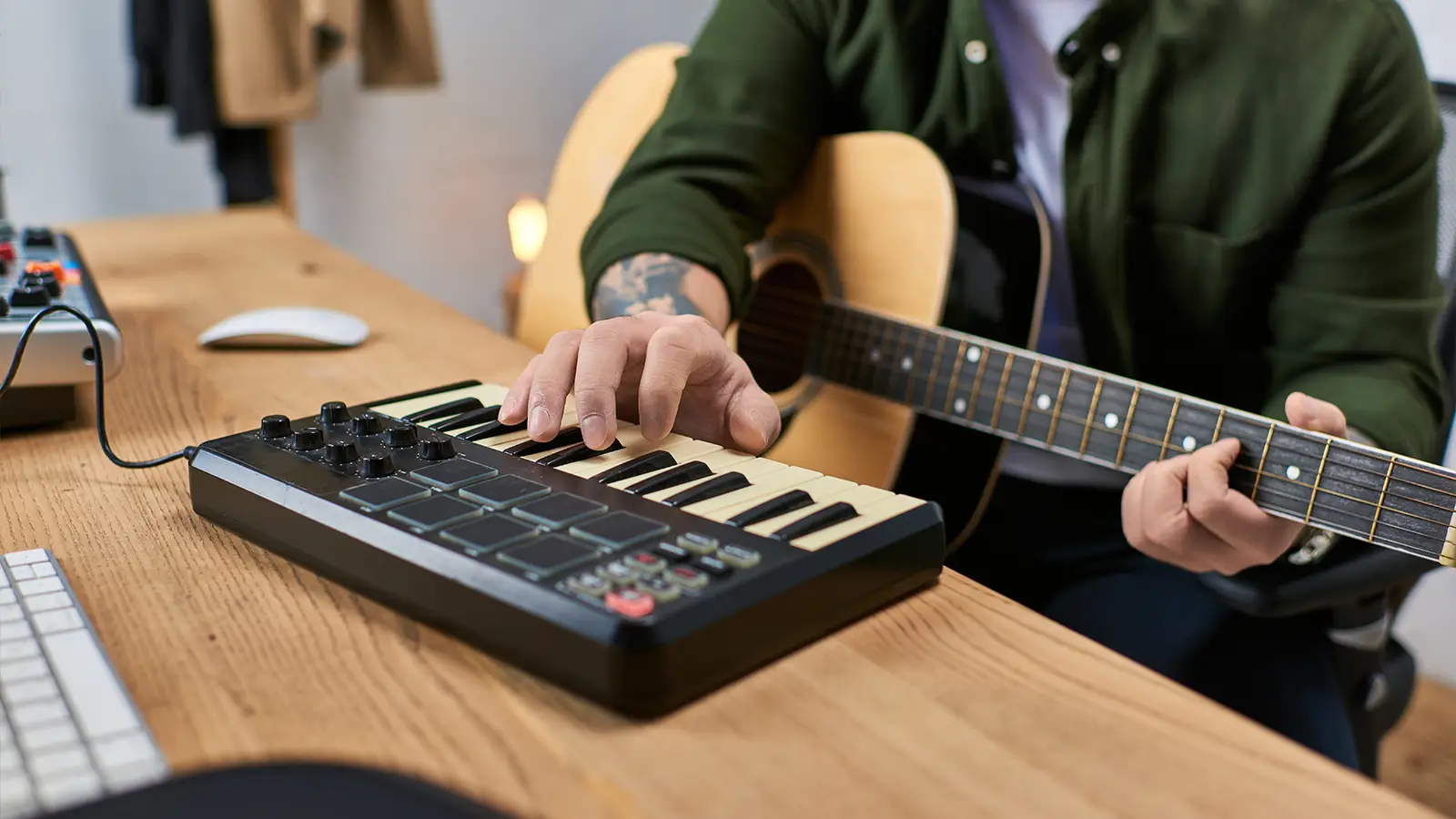
How to Learn an Instrument as an Adult: Tips for Beginners

While it may seem daunting, it is never too late to learn a musical instrument. Whether your dream has always been to play the piano, strum a guitar, or master the violin, adult music lessons are designed to set you up for success. With the proper approach and commitment, you can meet the challenges of adult music education and enjoy its many rewards. This guide will help you reach your goals with practical beginner music tips.
1. Embrace the Adult Learning Advantage
One of the common misconceptions about learning an instrument is that it’s harder for adults than for children. While it’s true that younger brains absorb information more quickly, adults have significant advantages, including:
– Self-Motivation: A desire to play the instrument may make one want to learn more as an adult; this tends to bring more commitment into learning.
– Discipline: Able to set goals, plan practices, and keep up with scheduled routines.
– Life Experience: Your problem-solving abilities, patience, and cognitive understanding of music will definitely be stronger now.
Appreciating these positive aspects lets you confidently present yourself for the music lessons at this adult stage of life.
2. Choose the Right Instrument for You
Choosing an instrument that suits your interests, lifestyle, and physical abilities is important. To narrow down your options, ask yourself the following questions:
– What type of music do I enjoy? Choose an instrument commonly used in your favorite genre.
– What is my budget? The cost of an instrument can be very low such as a ukulele or more expensive such as a piano.
– Do I have any physical limitations? Some instruments require more use of dexterous abilities than others, or you may need much more lung capacity.
Instruments perfect for beginners and widely used and versatile include guitars, keyboards, and ukuleles.
3. Set Realistic Goals
When you’re starting to learn an instrument, it’s essential to set realistic and achievable goals. Instead of aiming to play a complex piece within a month, start with smaller milestones, such as:
– Learning basic chords or scales.
– Mastering a simple song.
– Practicing for 15–30 minutes daily.
These short-term goals will provide you with a source of motivation and will indicate how much progress you are making over time.
4. Take Quality Lessons
There is anything from private tutors to online classes to group lessons for adult music learners. Look out for one that will fit into your lifestyle, budget, and the way you want to learn:
– Private Lessons: This is personalized training tailored to one’s strengths and weaknesses.
– Online Courses: Flexible and affordable options that include video tutorials and practice exercises.
– Group Classes: Social and interactive, to learn with other beginners.
Whichever route you take, make sure your instructor offers tips for beginners with regard to music and goes at your pace.
5. Practice Consistently and Efficiently
Consistency is the key in learning an instrument, so try setting aside a certain time of the day or week to practice. Now, here are some beginner music tips which will help make your sessions a bit more effective:
– Warm-Up Exercises: Spend some time doing warm-ups with your fingers, hands, or vocal cords for a few minutes.
– Focus on Technique: Mind posture and positioning of hands with proper technique.
– Break It Down: Break difficult passages into smaller fragments and practice each part separately.
– Use a Metronome: Build up your timing and rhythm by practicing with a metronome.
Even 15–20 minutes of practice daily will lead to dramatic improvement over time.
6. Let Mistakes be Part of the Learning Process
As a beginner, it’s normal to make mistakes while learning an instrument. Instead of feeling discouraged, view these mistakes as opportunities to grow. Here’s how to handle them:
– Identify the Issue: Determine what went wrong and focus on correcting it.
– Slow It Down: Play the challenging section at a slower pace until you’re comfortable.
– Be Patient: It takes time for progress to appear; therefore, take your time when learning.
After all, even the most well-known musicians of today were once mere novices who often made mistakes.
7. Take Advantage of Technology and Resources
The digital age has a whole array of tools and resources at your fingertips. Among the following suggestions, find something that will enrich your learning process:
– Music Apps: Yousician, Simply Piano, or Fender Play uses the modern method of classes and lessons interactively.
– YouTube Tutorials: You can learn anything from simple techniques to full songs through free tutorials on YouTube.
– Sheet Music and Tabs: Download the sheet music or tablature of popular songs that beginners can go through.
These additional resources can be used to supplement your lessons and provide extra practice material.
8. Join a Musical Community
Learning an instrument can sometimes be lonely; joining a musical community provides support and inspiration. Consider joining in with a band or ensemble to enhance your playing skills and for the social side of music.
– Attend Open Mic Nights: Get used to performing your progress in front of an audience, even if it’s just for fun.
– Join Online Forums: Share with other learners on forums like the r/musictheory on Reddit or music-related Facebook groups.
Sharing with others can help keep you motivated and striving to improve.
9. Celebrate Your Progress
The more you acknowledge your achievements, however small, the more confident you will feel, and this, in turn, will keep you motivated. Following are a few ways to acknowledge your progress:
– Record yourself playing to track your improvement over time.
– Share your music with friends or family.
– Treat yourself to new accessories or sheet music as a reward.
Every milestone you achieve brings you closer to mastery of your instrument.
10. Stay Persistent and Enjoy the Journey
Learning an instrument as an adult is rewarding, but it does require persistence. Here are some tips to stay motivated:
– Stay Inspired: Listen to your favorite musicians and imagine yourself playing like them.
– Take Breaks: Avoid burnout by giving yourself time to rest and recharge.
– Have Fun: Remember that music is about expressing yourself and enjoying the process.
By staying committed and embracing the joys of music, you’ll find learning an instrument to be a fulfilling and transformative experience.
Conclusion
Learning to play a musical instrument is within reach for, and rewarding to, adults too. It calls for the selection of an appropriate instrument, the setting of goals, and regular practice for satisfactory progress to be made. Seize these resources, everything from adult music lessons to online tools, and by no means refrain from being in a group of adult beginners like yourself.
Remember, the secret to success lies in persistence, patience, and love for music. Keeping these simple music tips for beginners in mind, you should feel confident in your journey toward becoming a great musician, no matter what your age may be. Start today, let the music inspire you!