How Vinyl Stands in the Modern World
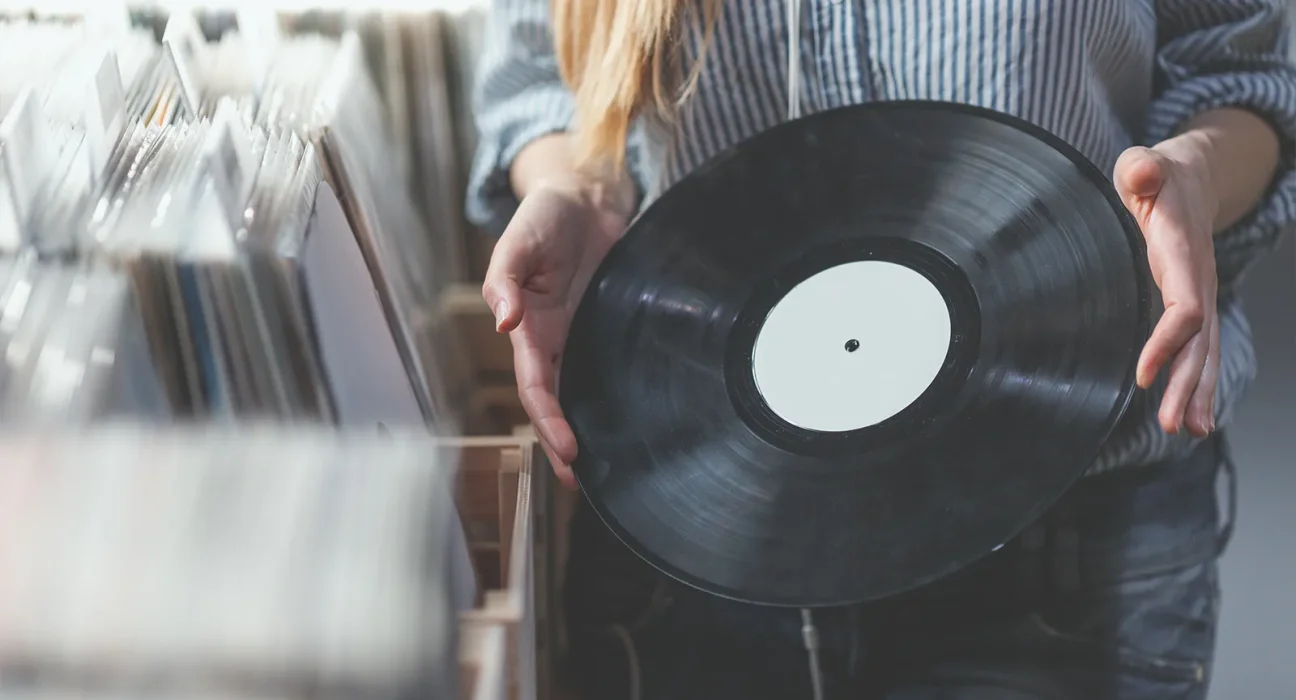
In a world saturated with streaming and digital downloads, vinyl records have enjoyed an unexpected yet mesmerizing resurgence. What was once considered an outdated format has now turned into a cherished medium, finding its place among trends in modern music. This says a lot about the timeless appeal of tangible music experiences in a world going increasingly digital.
In this article, we’ll delve into the reasons behind the vinyl resurgence, its significance in today’s music landscape, and what the future holds for this nostalgic yet contemporary format.
The Nostalgic Appeal of Vinyl Records
To many music lovers, vinyl records are much more than a source through which they listen to music-it connects them with the past. The sound of vinyl is warm. This is because the tactile nature involved in handling records, along with rich artwork and physical vinyl, evokes a feeling of nostalgia that no other digital streaming service can replace.
1. Warm Sound of Vinyl
Arguably, one of the most celebrated aspects of vinyl records is their sound quality: warm and rich. Unlike the compressed digital files, vinyl captures the nuances of a recording, offering listeners a fuller, more immersive experience. This is what has attracted audiophiles to the format in droves.
2. A Tangible Connection to Music
Vinyl provides an almost physical connection to the music in a world that exists with virtual playlists. It allows the listener to participate in a ritual, as gratifying as the mere placing of a record onto a turntable and then turning over to the flip side, which digital formats lack.
3. An Aesthetic Statement
Vinyl records are partly a lifestyle statement. One way of showing taste and personality in music is through vinyl collection, with records proudly shown as part of the home interior.
Vinyl and Modern Music Trends
While the role of nostalgia cannot be totally taken out of this resurgence of vinyl, its relevance within modern music trends cannot go unnoticed.
1. Vinyl as a Collector’s Item
Records have become highly sought-after collectibles, with limited-edition vinyl releases, colored records, and exclusive album artwork. This has been a reason for musicians and record labels alike to offer special editions that appeal to both the ardent fan and casual collector.
2. Bridging Generations
Vinyl records have ceased being solely for those older generations that just yearn for the past. Millennials and Generation Z are embracing vinyl for its retro style and experience. This intergenerational appeal ensures that vinyl continues to be relevant in contemporary music culture.
3. Vinyl and Indie Artists
For many independent artists, vinyl is a potent tool with which to connect with fans. Records add authenticity to productions and provide something tangible that the fans can hold dear. This has been a very significant factor in the continued popularity of vinyl.
The Rise of Vinyl Sales
Vinyl’s resurgence is not a cultural phenomenon alone; it is also a commercial success. Over the last few years, vinyl sales have gone up, mostly outpacing CD sales in many markets.
1. The Resurgence in Vinyl Sales
According to industry reports, vinyl has seen steadily increasing sales for the last decade. By 2022, vinyl records constituted over 40% of all physical albums sold in the U.S., marking quite a transformation in consumer preferences.
2. Record Stores as Cultural Pillars
Vinyl has seen a remarkable resurgence in popularity, and at the heart of that is the record store. Independently owned shops and chain retailers alike have succeeded in creating communities of vinyl collectors where events such as Record Store Day, celebrating vinyl culture, are commonplace.
3. Vinyl and Streaming: Symbiotic Relationship
Curiously, vinyl’s growth has come in tandem with that of streaming. Most listeners have their first contacts with music through streaming services, then buy their favorite albums on vinyl for a more intimate, personal connection with the music.
Vinyl’s Challenges in the Contemporary World
Despite its popularity, vinyl records face challenges in today’s fast-paced, convenience-driven world.
1. Production Bottlenecks
This demand surge has translated into production delays since the pressing plants are struggling to cope with the demand. New releases usually have to wait since the facilities are few.
2. Environmental Impact
Vinyl records are made from polyvinyl chloride, or PVC, a material that is harmful to the environment. With the growing interest in environmental sustainability, there has been a call for vinyl to go greener, but so far, very little has been done.
3. Cost and Accessibility
Vinyl records are simply not as accessible as digital formats, many times carrying a price that’s much higher. To casual listeners, the process of building a collection of vinyl or buying a decent turntable may be more than what they want to commit to in order to embrace the medium fully.
Why Vinyl Endures
Despite these challenges, vinyl endures because it offers something that digital formats lack-a meaningful, sensory experience.
1. A Return to Slow Listening
Vinyl, in an instant-gratification age, forces listeners to take more time and enjoy the music more deliberately. The preparation of playing a record, taking it out of its sleeve and then placing the needle, promotes more appreciation of the art.
2. Community and Connection
Vinyl collecting has its communities of like-minded people in music. Events like record fairs and in-store events, joined by social media groups, put people into the same spirit of joy over vinyl.
3. The Allure of Analog
As digital technology gets increasingly sophisticated each day, a balance comes through the medium of vinyl among analog formats. They remind us that there is beauty even in imperfection and across as more natural, thus more human.
The Future of Vinyl Records
What does the future hold for vinyl in the ever-changing music industry?
1. Continued Growth through Innovation
As technology advances, vinyl in the future may integrate with digital capabilities. Innovations such as embedding NFC tags in records-which a listener can access to get digital content-could actually help to bridge the gap between analog and digital.
2. Vinyl Production: Sustainability
The industry is trying to tackle environmental concerns by seeking out biodegradable materials and energy-efficient methods of production. This could secure vinyl’s future while meeting contemporary values.
3. A Niche Yet Resilient Market
Whereas vinyl will probably never regain its mid-20th-century dominance, it should keep that dear niche in the music world. The fact that it coexists with digital streaming services shows how well it can survive.
Conclusion
The resurgence of vinyl records in the modern world testifies to the timelessness of its appeal. Vinyl has managed to find a niche in modern music trends dominated by digital music, which is mostly driven by a need for nostalgia, quality, and tangible experiences.
For the long-time collector or a new enthusiast, vinyl is way more than music-it’s an art form, a ritual, and a bridge to connect generations. The challenges such as production bottlenecks and ecological worries remain; however, the sustained growth in vinyl sales and innovative impulses coming out of the industry augur well for this loved medium.
Standing against the modern landscape of music, vinyl records remind us that the power of music in connecting, inspiring, and creating moments has been strong and continuous, moving beyond the digital space.