Moving with Pets: How to Make Relocation Easier for Your Furry Friends
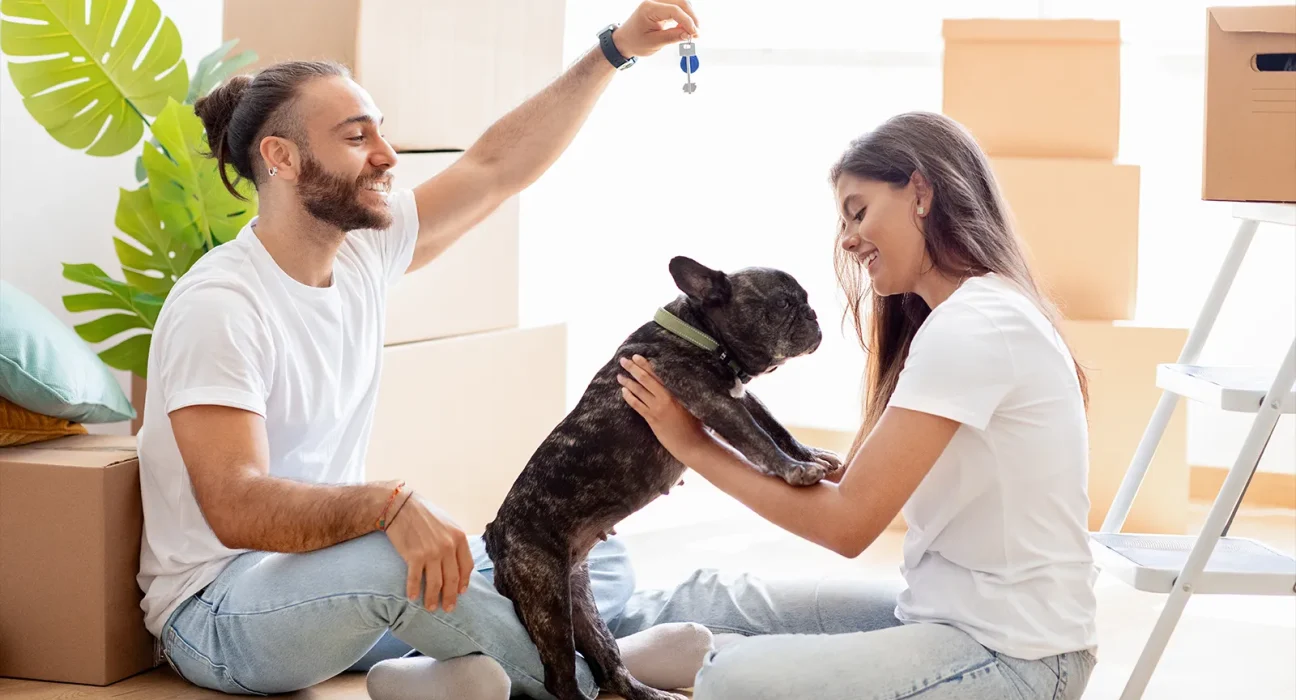
Relocation is the most exciting yet stressful process; with pets, this becomes further complicated. Moving with pets requires serious planning and consideration in order to keep them comfortable and safe in the process. Whether you’re relocating with animals for the first time or are a seasoned mover, these pet relocation tips will guide you toward seamless transition.
1. Plan Ahead for Pet Relocation
The secret to stress-free relocation with pets is early preparation. Begin by researching regulations concerning pet relocation, especially international moving. Most countries have strict rules regarding animal imports, which include quarantine periods, vaccinations, and particular documentation.
For domestic moves, research any state or city requirements for pet registration or transport. Early planning enables you to address these requirements without the last-minute rush.
2. See Your Veterinarian
First things first: a visit to your veterinarian before any move involving animals. Ensure your pet is up to date on vaccinations and obtain a health certificate, which may be required for travel. This is also a good opportunity to discuss travel anxiety or motion sickness, and your vet can recommend medications or tips to make your pet’s journey easier.
For international moves, ask about microchipping and other specific health requirements by some countries for entry of pets.
3. Choose the Right Pet Carrier
A proper pet carrier is a must for safe and comfortable travel. A carrier which can allow your pet to stand, turn around and lie down will be appropriate; it should also be well-ventilated and strong.
Introduce your pet to the carrier long in advance of the move date. Allow them to get used to it at their own pace, and keep them in it for extended amounts of time to make them feel comfortable.
4. Update Identification Tags and Microchips
Update the identification tags and microchip information on your pets to include your new address and your contact information well in advance of your move. Should your pet run off during this move, all this information may be what reunites the two of you.
You can also include a temporary tag that reflects a contact specific to moving day.
5. Prepare a Pet Travel Kit
A pet travel kit will maintain convenience and have everything your animal may need in one, accessible location throughout the transition period. Include the following:
- Food and water
- Collapsible bowls
- Medication/medicals
- Waste bags/litter supplies
- One or two comfort items; i.e., toys, security blanket with a well-known scent
Having this there will make it much easier to relocate your animals.
6. Keep Pets Secure on Moving Day
The day of moving is pretty chaotic; pets might become nervous or even run away because of all the commotion. To avoid that, just keep them in some quiet, secure room or in their carrier while movers are working.
Clearly label the room so movers will know not to open it accidentally. This will make your pet safe and stress a minimum.
7. Book Travel Arrangements That Welcome Pets
In car travel, air travel, and even in train travel, your pet’s comfort and safety are above all else considerations.
- Car Travel: Place the carrier on the back seat or, alternatively, a pet seat belt. Take frequent stops for exercise, bathroom use, and water.
- Flying: Opt for a non-stop flight, which takes less time. Opt for an airline that accommodates pets inside the cabin in case your pet meets their size requirements.
- By Train: Check the policies on carrying pets by the concerned train service provider and take care of the necessary documents required.
8. Introduce Your New Home Gradually
At arrival take your time to get the pet familiar with its new surroundings. Keep your pet confined in one room at first; add some familiar things like the pet bed, favorite toys, or litter box. Give gradual access to other parts of the house as it familiarizes itself.
Let outdoor pets out under close supervision initially to avoid slipping away.
9. Stick to Your Routine
Pets love routine, and keeping as close to routine as possible will minimize stress during the move. Feed them at the same times, take them on their usual walks or give them regular playtime, and keep the same sleeping schedule.
Small doses of normalcy go a very long way in helping your furry friends feel secure in their new environment.
10. Create a Pet-Friendly Space
Designate space for your pet in the new house that includes their bed, feeding and water bowls, and toys. This kind of familiar nook is one in which pets could get settled as quickly as possible while reducing anxiety.
For owners with animals who depend on particular environmental specifications-possibly reptiles and some birds-take care of having their enclaves in place first with regard to temperature and lighting.
11. Be Patient and Comfort Them
Moving is stressful for pets. Give them some time, as they might act out of character with stress-like symptoms such as hiding, barking excessively, or not eating properly.
Give them as much love, reassurance, and positive reinforcement as possible. Help them get settled into the new home.
12. Avail Professional Pet Moving Services
This may be overwhelming, especially in the case of long-distance or international relocations; here is where hiring a professional pet relocation service can lighten your burden. These professionals arrange all the logistics concerning documentation, transportation, and customs requirements, keeping your pet safe and comfortable.
Research credible companies and reviews to find a service that will fit your needs.
13. Watch for Signs of Stress
Observe your pet for any behavioral changes or any signs of illness, including the following:
- Panting heavily or slobbering
- Hiding or not wanting to take part
- Aggression, whimpering, or barking
- Not wanting to eat or going to the bathroom irregularly
Contact a veterinarian immediately if you believe something suspicious has changed.
14. Get Familiar with the Neighborhood
Once your pet appears to be at ease indoors, take him outside for a tour of this new world. Go for a walk with him, introduce him to local parks, and let him gradually become familiar with the sights, smells, and sounds of this new neighborhood.
This quality time will go a long way in establishing your pet’s security and confidence in this new environment.
Conclusion
A move can be hard with pets, but it can also be effortless and enjoyable if one is well prepared for it, persevering, and sensitive to their needs. With planning in advance, a routine can be sustained to its fullest, and comfort provisioned inside a newly occupied house.
Pet moving isn’t just about logistics; it’s also about keeping your animals happy and adjusting them to the new home. Whether you are moving locally or internationally, these tips for relocating your pet will make the journey much safer and more comfortable.
That way, a little extra attention goes a long way toward security and love for your pets and makes the new house a real home for everyone.