Exploring Abstract Art: Understanding Shapes, Colors, and Emotions
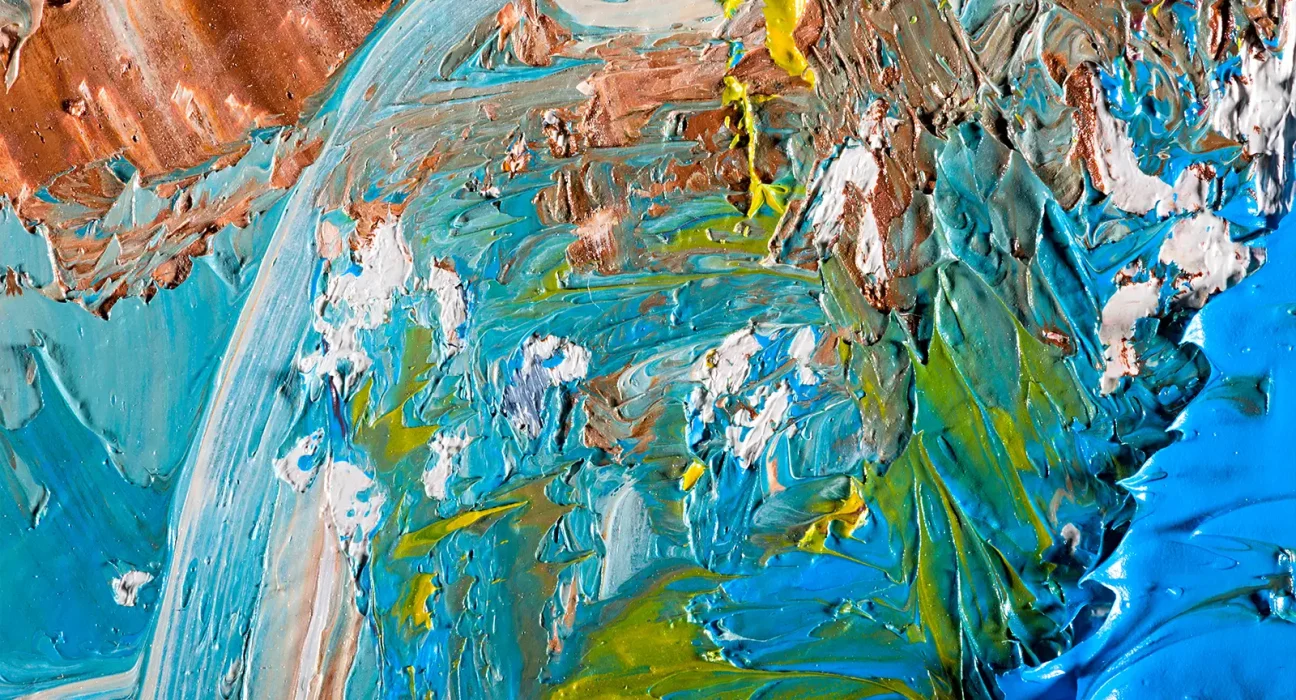
Abstract art has intrigued audiences for over a century with its ability to transcend realistic depictions and evoke deep emotional responses through shapes, colors, and textures. Whether you’re a seasoned art connoisseur or a beginner in art appreciation, understanding abstract art styles can enrich your perspective and heighten your appreciation for this unique form of expression.
What is Abstract Art?
Abstract art, also called non-representational or non-objective art, does not adhere to the convention of representation. Instead, it makes use of elements such as shape, color, line, and texture to express meaning. This kind of art encourages the viewer to perceive the works based on their emotions and experiences, making every encounter with a work highly personal.
Abstract art does not try to represent the physical world. Instead, it tries to capture the essence of a subject or an emotion. From the bold lines of Wassily Kandinsky to the vibrant color fields of Mark Rothko, abstract art has evolved into diverse styles, each with its distinct language.
The Role of Shapes in Abstract Art
Shapes in abstract art provide the basis for visual expression and storytelling. Geometric or organic in nature, forms contribute to both the structure of the composition and to the evoked emotions.
- Geometric Shapes
These shapes often represent structure and stability. Artists like Piet Mondrian utilized rectangles and straight lines to create harmony and balance in their compositions.
- Organic Shapes
Organic and free-flowing shapes with an irregular nature bring a feeling of spontaneity and life to works of abstraction. These often create feelings that might relate to nature or movement.
Shapes in abstract art serve as unspeaking envoys that invite the viewer into the artist’s world to decipher the meaning behind the pattern.
How Colors Speak in Abstract Art
Color is perhaps the most striking element in abstract art because it evokes emotions and states or sets the tone of the composition. The color theory will act as a guide to palette choices and lead the creation of mood or contrast.
- Warm Colors: Red, orange, and yellow shades often fill with energy, passion, or warmth. Such colors may produce urgency or intensity in a painting.
- Cool Colors: Blues, greens, and purples evoke calmness, serenity, or introspection. These hues are often associated with tranquility and reflection.
- Contrast and Harmony: Abstract art often uses contrasts or harmonies in colors to create certain reactions. Juxtaposition of bright colors against more subdued ones may create tension or a center of attention.
Helen Frankenthaler and Jackson Pollock were two artists who used the emotional feel of colors in their works, which are considered masterpieces by many viewers around the world.
Emotions and Abstract Art
The true essence of abstract art lies in stirring emotions. Unlike representational art, where definite visual clues are present, it has to do with the viewer being actively engaged in the piece, allowing his own personal emotions and interpretations to surface.
- Joy and Excitement: Bright colors, dynamic shapes, and energetic brushstrokes can evoke sensations of happiness and enthusiasm.
- Melancholy or Contemplation: Muted tones, soft textures, and minimalistic designs often create an atmosphere of introspection or sadness.
- Surprise and Curiosity: Unpredictable patterns and unexpected color combinations can intrigue and invite deeper exploration.
The emotional connection that abstract art fosters is perhaps its most profound quality, making it a favorite among art lovers and collectors alike.
Exploring Abstract Art Styles
Abstract art encompasses various styles, each offering unique approaches to visual expression. Understanding these styles enhances art appreciation and provides insight into the artist’s intent.
1. Cubism
Pioneered by Pablo Picasso and Georges Braque, cubism breaks subjects into geometric shapes and reconstructs them in fragmented, multidimensional perspectives.
2. Abstract Expressionism
Popularized in the mid-20th century by artists like Jackson Pollock, this style emphasizes spontaneous, gestural brushwork and the emotional intensity of color.
3. Color Field Painting
This style, associated with Mark Rothko, focuses on large areas of flat, solid color. It aims to evoke a contemplative or emotional response through the interaction of hues.
4. Minimalism
Stripped down to basic elements, minimalism is a means of highlighting shapes, lines, and space through simplicity. Frank Stella is one example of such minimalist abstract art.
5. Lyrical Abstraction
Poetic in nature, this kind of abstract art focuses on personal expression and fluidity. Soft and flowing lines and harmonious colors create a stark contrast to the boldness of abstract expressionism.
Abstract Art Appreciation: How to Enjoy It
Abstract art requires a shift in the conventional art appreciation mechanism. Here are some tips to get you started with this engaging art form:
1. Observe Without Preconceptions
Approach abstract art with an open mind-no expectations. Allow the shapes and colors to steer your thoughts and emotions.
2. Pay Attention to Details
Look at the brushwork, textures, and layers. These often speak of the process and intention of the artist.
3. Interpret by Feeling
Abstract is not about “what it is,” but more of “what it makes you feel.” Trust your instincts and emotions when interpreting a piece.
4. Research the Artist
Learning about the artist’s background and inspiration can really provide an added layer of understanding to their work.
5. Galleries and Museums
Seeing abstract art in person lets you truly see its scale, texture, and vibrancy in ways digital images just cannot show.
The Legacy of Abstract Art
Abstract art continues to inspire and challenge audiences around the world. Its ability to convey universal emotions while remaining deeply personal makes it a timeless and transformative art style. In the exploration of abstract art, one finds not only an expansion of the realms of artistic expression but a deepened appreciation for the many ways humans interpret and communicate their experiences.
Abstract art, in conclusion, is about the beauty of ambiguity; it invites the viewer to invest its colors, shapes, and emotions with their meanings. From the broad swell of abstract expressionism to the stark simplicity of minimalism, there’s always more to discover within this ever-changing and dynamic art form.
Embracing diversity in abstract art styles and being actively involved will enrich your journey of appreciation and open up the mind to unlimited creative possibilities.