


Smart Homes of the Future: How AI is Changing Home Automation
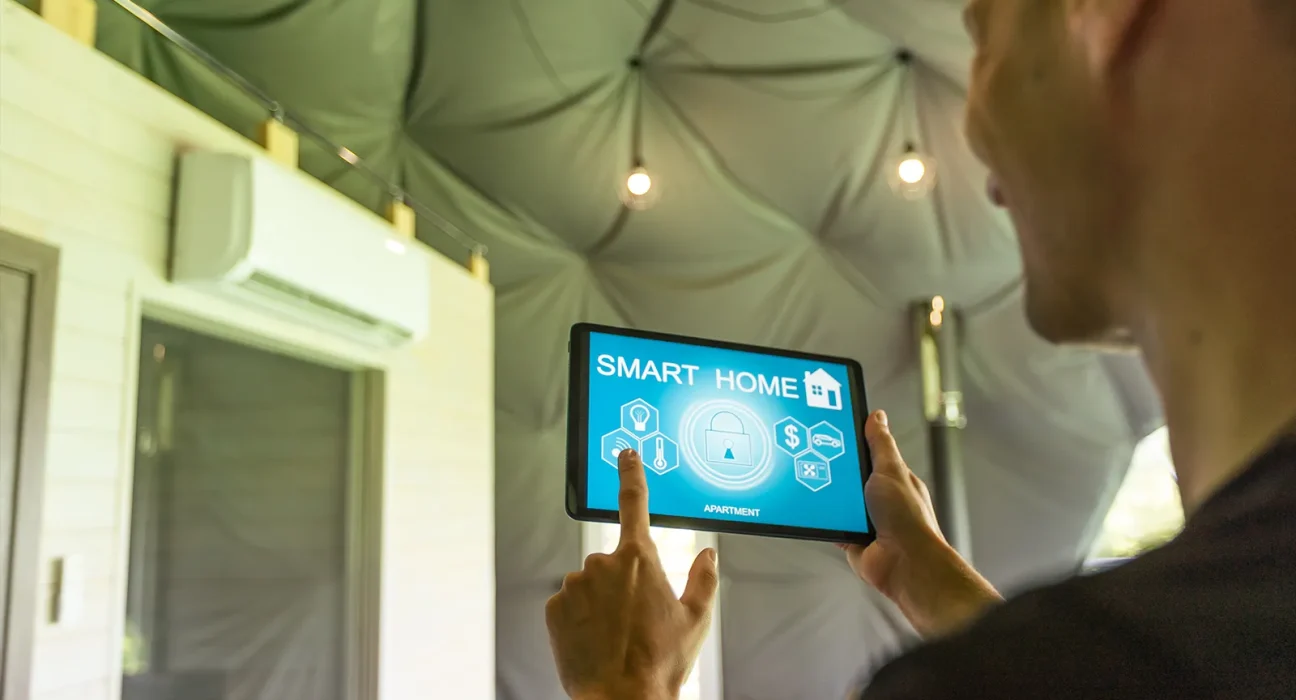
The concept of a smart home, hitherto confined to the realm of science fiction, is now turning into reality with advancements in the field of AI home automation and smart home technology. Artificial intelligence is changing the way we interact with our homes, making them efficient, secure, and convenient. This is a revolution-not about gadgets, but creating connected ecosystems that anticipate and respond to our needs.
In this article, we’ll explore how future technology powered by AI is reshaping home automation, the benefits it brings, and what lies ahead for smart homes.
The Evolution of Smart Homes
Smart home technology has taken giant strides over the last decade. Early innovations revolved around basic automation: programmable thermostats, smart lighting. Today, AI takes home automation to a whole new level, offering features like:
- Voice Control: Systems like Amazon Alexa, Google Assistant, and Apple Siri are now enabling hands-free control of devices.
- Machine Learning: AI-powered systems learn user preferences and create personalized experiences.
- IoT Integration: The use of the “Internet of Things” enables devices to talk to one another with seamless communication within a connected smart home network.
These enhancements have been making smart homes more functional and, at the same time, wiser to anticipate what the users need.
Key Components of AI in Home Automation
AI is driving the technology of smart homes, which comprises some key aspects as under:
1. Smart Assistants
Smart assistants, such as Amazon Alexa and Google Assistant, act as the central hub for managing connected devices. They use NLP to understand and respond to user commands.
2. Machine Learning Algorithms
AI systems analyze user behavior in an attempt to predict user preferences. For instance, smart thermostats like Nest learn your schedule and adjust the temperatures automatically.
3. Computer Vision
Smart cameras and security systems do facial recognition and detect irregular activities to enhance home security.
4. Predictive Maintenance
AI monitors appliances and other systems for performance issues, sending alerts for problems that are most likely to turn worse.
Benefits of AI Home Automation
There are enormous benefits of AI-powered Home Automation, turning homes efficient and user-friendly.
1. Greater Convenience
- By means of voice commands, for instance, AI assistants may lighten one’s workload without necessarily getting your fingers moving.
- Automation: lights, blinds, and even coffee makers might work on a schedule or based on certain triggers.
2. Energy Efficiency
- Optimizing energy usage and smart lighting system smart thermostats help limit waste and utility bills.
- Energy-saving suggestions, thanks to energy consumption patterns analyzed by AI.
3. Better Safety
- AI-based systems of surveillance offer round-the-clock monitoring with alerts regarding all out-of-ordinary movements or events.
- Smart locks and facial detection grant restricted access only to those people who should get into homes.
4. Experience that gets Personal
- Learning each preference of its individual with light, temperature, even entertainments by AI.
- AI differentiates between members of the household, making multi-user environments work.
Smart Home Technology in Action
The integration of smart home technology with AI has already resulted in remarkable innovations. Here’s how AI is changing everyday living:
1. Intelligent Climate Control
AI-powered smart thermostats, such as Nest and Ecobee, learn your daily schedule to maintain an ideal temperature within your residence. These systems utilize data gleaned from weather forecasts and occupancy patterns to optimize performance.
2. Smart Lighting
Smart lighting systems, such as Philips Hue and LIFX, adjust brightness and color according to the time of day, mood, or user activity. Voice-controlled options further sweeten the deal.
3. AI-Powered Kitchens
From smart refrigerators that track expiration dates to AI ovens that suggest recipes based on available ingredients, the kitchen is becoming a hub of innovation.
4. Advanced Security Systems
Home security is being redefined by AI-powered cameras, motion detectors, and doorbell systems, such as Ring and Arlo. Features include real-time alerts, facial recognition, and two-way communication.
5. Automated Cleaning
Robotic vacuum cleaners like iRobot Roomba and Ecovacs Deebot apply AI to their navigation within homes and adjust cleaning strategies accordingly based on floor types and debris levels.
The Role of IoT in AI Home Automation
IoT is a very important factor in the connection of devices in a smart home ecosystem. IoT allows for smooth communication between devices, which enables AI systems to collect and process data in real time.
Examples of IoT Integration:
- Smart hubs, such as Samsung SmartThings, enable various devices to work together.
- Appliances, lighting, and security systems use protocols like Zigbee and Z-Wave to communicate.
- Real-time sharing of data can help the AI systems in making informed decisions.
Smart Home Technology Challenges
Despite its manifold advantages, AI home automation faces quite a few challenges:
1. Data Privacy and Security
- Smart devices gather a sea of data, therefore breaching data privacy is a major issue.
- Cybersecurity is at risk from hacking threats.
2. Cost of Implementation
The high upfront costs of smart home devices and their installation are out of the reach of many homeowners.
3. Compatibility Issues
Not all smart devices are compatible with each other, hence their integration may pose a challenge.
4. Dependence on Internet Connectivity
Smart homes rely highly on stable internet connectivity, which makes them prone to service disruptions.
Future Trends in Smart Home Technology
The future of AI home automation is really promising. As technology evolves, we can expect the following:
1. Greater Interoperability
Efforts have been made to standardize protocols, ensuring seamless compatibility between devices from different manufacturers.
2. Advanced Personalization
AI will become better at anticipating user needs, creating hyper-personalized experiences. For example, your smart home might preheat the oven when it knows you’re on your way home with groceries.
3. Sustainable Living Solutions
Future smart homes will focus on sustainability, with AI optimizing resource usage and integrating renewable energy sources like solar panels.
4. Health Monitoring Integration
AI can also permeate health applications, such as smart homes that monitor vital signs and sleeping patterns, all the way to detecting emergency events like falls.
The Impact of AI on Real Estate
AI-driven smart home technology is also affecting the real estate market in so many ways.
1. Increased Property Value
There’s no denying that homes integrated with smart technology are highly in demand and can often fetch higher prices.
2. Smart Home Staging
Real estate agents are using AI to showcase smart features during home tours, enhancing the buyer experience.
Conclusion
AI is revolutionizing home automation, transforming ordinary houses into intelligent, responsive environments. From managing energy consumption to enhancing security and personalization, smart home technology is reshaping how we live.
It is; thus, expected that as the future technology develops, it will unlock even more possibilities: smarter, sustainable homes, and deeply intuitive, thanks to the integration of AI with IoT. Though with challenges still remaining, advances in AI-driven solutions herald a future where smart homes are not just a luxury but a modern standard.
AI home automation has just about begun its journey but promises to redefine the way we relate to our homes.


