10 Essential Positive Parenting Techniques for a Happy Home
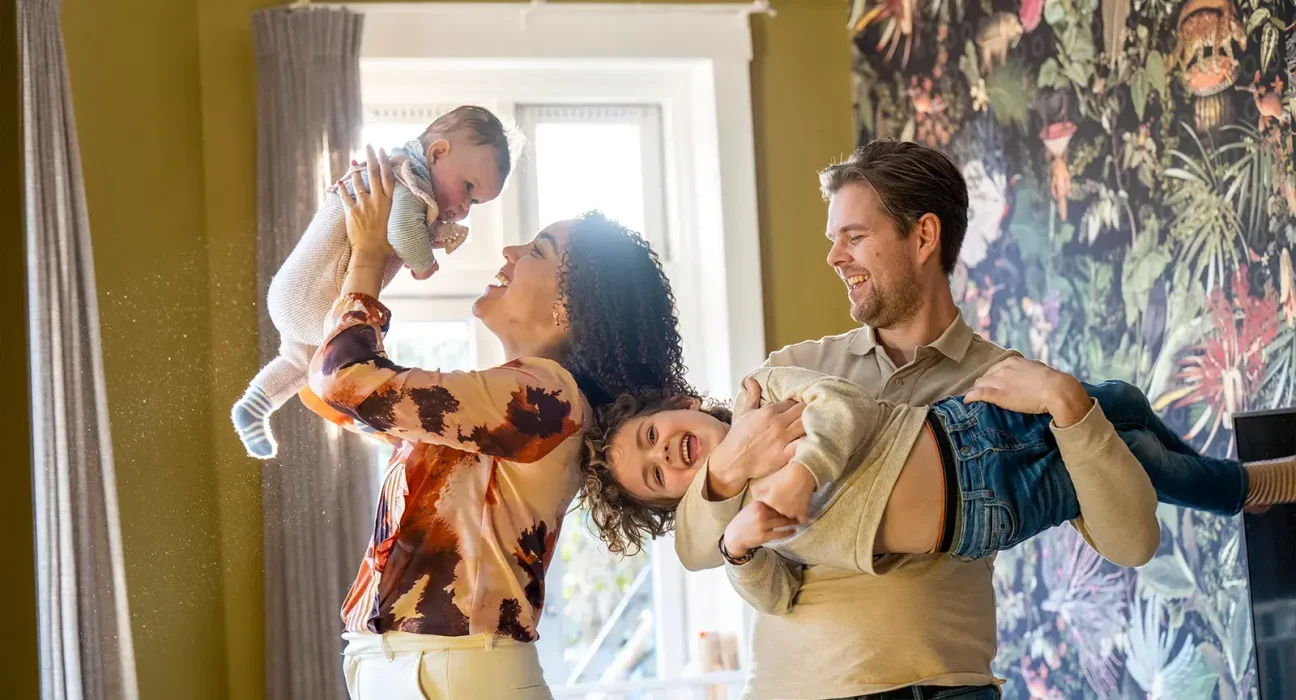
The goal of positive parenting is to establish a strong, supportive, nurturing relationship with children for healthy emotional development, good self-confidence, and happiness in the home. Positive parenting methods focus more on empathy, communication, and encouragement rather than on strict discipline or negative consequences. Ten major ways of approaching positive parenting can be applied to make the home a happy place where parents and children can thrive comfortably.
1. Practice Active Listening
The basis of much positive parenting lies in active listening-listening to your children and letting them feel their thoughts and feelings are being taken into consideration. When children talk to you, give them your full attention and listen without interruption, making eye contact. Do not give advice or opinions right away; it is crucially important to know their perspective first.
Active listening will make them feel heard and respected; hence, they are more likely to talk more openly in the future. The children will eventually build up a trusting relationship whereby they can feel safe and supported in a happy home.
2. Establish Clear and Consistent Limits
Setting limits is very important for the balance and happiness of home. Children need clear guidelines on what is acceptable and what is not. Positive parenting does suggest that these boundaries need to be set in a very empathetic manner by clearly explaining why such-and-such rules exist and what the consequences of not following them are.
This is because setting clear boundaries consistently helps children feel safe and instills a sense of responsibility in them. As opposed to being too rigid, it does let the parents respectfully guide their kids that the rules do not attempt at constricting but rather keeping them safe and taking care of them.
3. Make Use of Reinforcement
One of the best ways to raise a child is through positive reinforcement, whereby rewards are meant to encourage good conduct and achievement. Instead of punishing them when they misbehave, try praising them whenever they behave positively, such as sharing, helping someone out, or showing kindness.
Rewards do not necessarily have to be tangible; at times even words of encouragement, hugs, or an extra bedtime story may keep them motivated to continue their good behavior. Positive reinforcement builds self-esteem and motivates children to make good choices, adding to a more positive and happy home environment.
4. Be a Good Role Model
Children learn by observing their parents, so you have to practice this with them. Instead, demonstrate the ways of kindness, respect, patience, and empathy in your everyday life right in front of them. When children see these values applied, that is when they are most likely to imitate them.
The following is another positive parenting technique, which reminds one of how living by example strengthens family bonds and helps a home be harmonious and happy. Models of good behavior will also teach your children about good social behavior conduct with respect and integrity.
5. Promote Independence
It boosts their self-confidence and teaches them responsibility when children are being encouraged to be independent. In positive parenting, one allows the kids to make decisions such as choosing their clothes, deciding on a snack, or choosing a bedtime story. Gradually, they’ll learn to trust their instincts and take pride in their choices.
Giving them autonomy surely means that you believe in them-it enhances their self-esteem. With time, this develops into resilience and problem-solving skills, thus laying the foundation for a happy home where children will feel competent and empowered.
6. Focus on Empathy and Understanding
Empathy is another critical ingredient in the positive parenting repertoire. When one is perceived as being in an emotional state or having a particular perspective, that parent can take appropriate action in response to their child’s needs with compassion. The upset or angry feelings of children should always be acknowledged and helped to work through rather than minimized or rejected.
For example, if a child is in distress because they want to continue playing with a particular toy, console them this way: “I know you are sad and you want that toy.” When you show a child that you are interested in their feelings, they develop trust and learn how to be sensitive with others. The more empathetic the atmosphere, the happier the home where everyone’s feelings are being taken into consideration.
7. Use a Calm-Down Corner
The calm-down corner is the place where a child goes when he feels overwhelmed, angry, or upset. It has to be a comforting space that is equipped with soft pillows, favorite toys, or coloring supplies. It is quite unlike punishment time-out but, instead, is one good way for children to show control of their emotions.
Teaching your child to manage their emotions will build emotional intelligence, and a place for self-soothing can add to peaceful and happy times in the home. Another great positive parenting technique to help kids know it’s okay to take their time when processing any emotions.
8. Make Time for One-on-One Connections
Spending quality one-on-one time with each child reinforces your bond with them and lets them know that they are special and valued. Regularly setting aside time to join in activities that your child enjoys—whether this is reading, playing, or just talking—promotes a healthy relationship and shows that you care about their happiness and well-being.
This is a manner of positive parenting that offers open communication and security in the relationship that children have with you. Creating time for special moments makes for a happy home where every member feels needed and wanted.
9. Teach Problem-Solving Skills
Rather than jumping in and immediately solving the children’s problems, guide them in learning problem-solving skills. The children are encouraged to think about possible solutions and to discuss consequences for each option. Children learn that they are in control of their actions and can work through their challenges.
For instance, if the siblings are fighting over a toy, ask them what they think can be done to sort it out and guide them by suggesting taking turns or giving up the toy to play with something else for a while. This, in essence, teaches problem-solving skills, empowers children; hence a resiliently happy home is created.
10. Offer Unconditional Love and Support
More than anything in the world, all children need to feel that they are loved and supported regardless of their behavior or circumstances. Positive parenting emphasizes unconditional love, which is communicated when your child feels loved even when they make mistakes or misbehave. Simple assurances like “I love you” and “I’m proud of you” make an immense difference in how kids feel about themselves and their home.
In moments of discipline, remind them it is about their behavior, not about them. Unconditional love does build a sense of security and cements the relationship between parent and child by laying the bedrock of trust and joy in a home where people are truly happy.
Conclusion
Positive parenting is about creating an environment where the feelings of respect, love, and value are instilled in the child. Put into practice these following ten essential parenting techniques to bring up a joyful, emotionally secure home, with attached yet respectful family members. Times won’t always be easy, but parenting will become much more enjoyable and far more rewarding when these positive parenting techniques are put into practice. You’ll raise happy, healthy kids by creating an environment that emphasizes understanding, support, and free flowing communication.