The Rise of Streetwear: How It Became a Fashion Staple
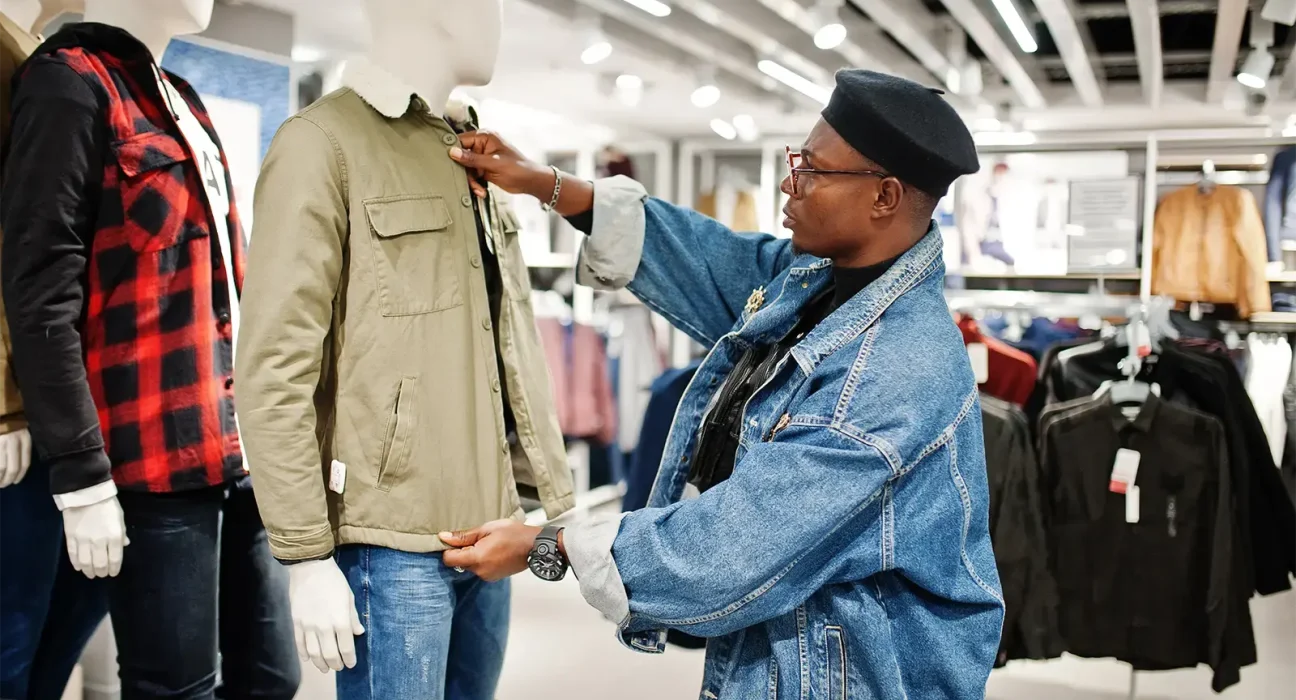
Streetwear fashion has made its way from a subcultural niche to a worldwide trend that moves the mainstream and high-end brands. In a nutshell, comfort, bold graphics, and relaxed silhouettes mark this fashion rooted in urban culture, greatly influencing the style landscape today. Herein, we shall try to explore how streetwear rose to prominence, what has made it so influential, and further how it reached being a staple in the urban fashion trends of the world.
1. The Origin of Streetwear: From Subculture to Style
Streetwear fashion was first an expression of urban youth culture, hailing from the communities of both skaters and surfers, and fans of hip-hop in the 1970s and 1980s.
- Skate and Surf Culture: Brands like Stüssy began in California, selling T-shirts with bright, graphic designs that appealed to surfers and skaters alike. Casual comfort combined with edgy, eye-catching graphics created an instantly recognizable look.
- Hip-Hop Influence: The hip-hop influence was providing a large part of its own aesthetic to streetwear through brands like FUBU and Cross Colours in New York City. That translated onto the dance floor, with everything from blown-up silhouettes to speak-to-me accessories. It became all about individuality and independence; it became an expression of one’s self through art.
- DIY Ethos: Most of the early streetwear brands were independent and small-scale, thus mirroring a do-it-yourself ethos that appealed to young people in search of something more authentic and pertinent. This attention to doing things oneself helped foster the brand loyalty that streetwear enjoys today.
Communities that wanted to be different and who made their own identity within fashion were laying the foundation for what would later emerge as streetwear and find mainstream appeal.
2. Streetwear in the 1990s: The Rise of Brands, Icons, and Music
For all those hip and happening, streetwear paralleled in growth to hip-hop and skate culture in the decade of the 1990s as brands, designers, and musicians gave the style new eyes.
- Iconic Brands Emerge: Brands such as Supreme, A Bathing Ape-BAPE, and FUBU materialized from the 90s into their own fictions of streetwear that captured certain potent cultural currents of the time. Supreme limited drops and exclusive designs fostered a perception of urgency and desirability that continues to define today’s streetwear culture.
- Celebrities and Musicians: Hip-hop legends like Tupac, Biggie, and Wu-Tang Clan played a huge role in popularizing streetwear-the several brands one would normally see them wear would go on to become legends in urban fashion. Apart from their music, their style was an influence on their fans.
- Sneaker Culture: The shoes became an important part of streetwear-a culture of collaboration and limited-edition releases between Nike and Adidas. Signature releases like Nike’s Air Jordans and Adidas’ deals with Run-DMC made the shoes highly coveted items that mixed performance with style.
The 90s really helped shape streetwear into a cultural movement. Full of icons and brands that represented the city life, this desire to have exclusive and limited items only increased the popularity.
3. Hype Culture and the Times of Limited Drops
Streetwear in the 2000s got remodeled into what is now called “hype culture.” The era was characterized by “limited releases, exclusive drops, and collaborations designed to fuel demand for streetwear items.”.
- Supreme’s “Drop” Culture: Supreme pioneered the usage of weekly drops, releasing new items in very minimal quantities to further create scarcity and, with that, a surged demand. Some of their releases would have fans camping outside their stores for hours or days just to get a chance at buying the latest releases, furthering the popularity of Supreme into another dimension.
- Collaboration Craze: Streetwear brands started collaborating with luxury labels, artists, and sports brands on exclusive collections. These collaborations-such as Supreme x Louis Vuitton-bridged the divide from streetwear into high fashion and made street style legitimate to the luxury fashion world.
- Secondary Market Rise: A resale market where consumers could resell the item for way over its face value sprouted up because of this pent-up demand. Websites like StockX and Grailed are the hotbeds of any streetwear enthusiast; some items on the resale market sell for thousands of dollars.
Hype culture took streetwear past style to status, wherein the ownership of exclusive items signals not just taste but access to one of the more exciting movements in fashion.
4. How Social Media Influenced Streetwear Fashion
Social media played a very important role in spreading streetwear fashion trends worldwide; one can follow brands, collections, and celebrity styles in real time.
- Influencer Impact: Streetwear outfits shared by influencers and celebrities on platforms like Instagram and YouTube brought the fashion style to the masses. The exposure gave way to styling ideas and recommendations that brought the category to a global level.
- Instant Inspiration for Fashion: Social media allowed instant access to what was hot in streetwear from the brands, influencers, or the guys photographing street style. Instantly, fans could see how people were styling street wear items and immediately emulate whatever was hot.
- Building Brand Communities: Through social media, streetwear brands have been able to build a sense of community. Supreme, Off-White, and Kith are among the brands that utilize Instagram for teasers of releases in order to stir anticipation and connect directly with the fans. This community aspect of streetwear further sealed the deal in terms of loyalty among the enthusiasts.
Social Media made streetwear both accessible and highly visible, turning it from a niche style to a global trend; the world over, people were free to participate in the culture.
5. Streetwear Meets Luxury: The Merge of High and Low Fashion
As streetwear collaborates with high-end brands and designers embrace the trends of urban fashion, finally, streetwear finds its home in high fashion.
Collaborations with High-Fashion Houses: Collaborations of streetwear with high-fashion houses, such as Nike and Dior or Supreme and Louis Vuitton, respectively, really blurred that line of traditional fashion. These types of collaborations moved streetwear from being a subordinate fashion trend to an acceptable and even desirable staple within high circles of fashion.
At the same time, luxury fashion brands began to invest in streetwear style, from which Louis Vuitton designed by Virgil Abloh and Dior under Kim Jones had managed to incorporate a streetwear factor into their collections by embracing hoodies, sneakers, and graphic tees. This reflected a shift in consumer sentiment as well as an acknowledgment of streetwear’s meteoric rise into modern fashion.
Street style at fashion weeks has become as influential as runway shows themselves, with the attendees showing off not only high-fashion looks but the latest streetwear pieces, too. Fashion Weeks in Paris, Milan, and New York have turned into channels that appeal to streetwear enthusiasts, who work out the boundaries of luxury and casual wear.
A combination of streetwear and luxury has birthed a new fashion language where casual items like hoodies and sneakers are staples in high-fashion collections and show the shift in what is considered “luxury.”
6. Sustainable and Inclusive Trends: The Future of Streetwear
As streetwear continues to evolve, it is finally a movement that is bending to the changing values of its consumer base-sustainability and inclusivity now integral parts of the business.
- Sustainability in Streetwear: Brands, with growing environmental awareness, are looking toward the use of eco-friendly materials and methods of manufacture. From Pangaia to Patagonia, the brands are now embracing sustainable streetwear in their way to appeal to the values of a more conscious consumer.
- Inclusivity and Representation: At its core, streetwear has always represented the many cultures and ethnicities sprinkled throughout the world. And today, in an effort to be as inclusive as possible, brands are designing gender-neutral options and sizing that caters to all body types.
- Innovative Technologies: As fashion goes digital, brands reach unknown dimensions with NFTs and virtual fashion shows to connect with audiences that are tech-savvy. These innovative technologies could redefine how streetwear is interacted with and the concept of “owning” fashion.
In the future, streetwear will find a balance between its roots and modern audience demand. With consumers pushing for a more ethical and inclusive practice, streetwear can continue leading in the fashion world and will evolve with the times.
Conclusion
From the very humblest of beginnings in skate and hip-hop culture to collaborations with high-end fashion houses, streetwear has found its place in global fashion. It has been enabled through its authenticity, exclusivity, and moving with cultural change. In its continued evolution, streetwear is more than a fad-it is a movement all about self-expression, diversity, and innovation. The adoption of casual style with high-end aesthetics has made streetwear take an irreversible shift in the world of fashion, making it one strong force across generations of style lovers.
Read also: How Practicing Mindfulness Can Enhance Your Physical and Mental Well-being